Severe Rains Devastate Rio Grande do Sul: Homes, Businesses, and Livestock Affected
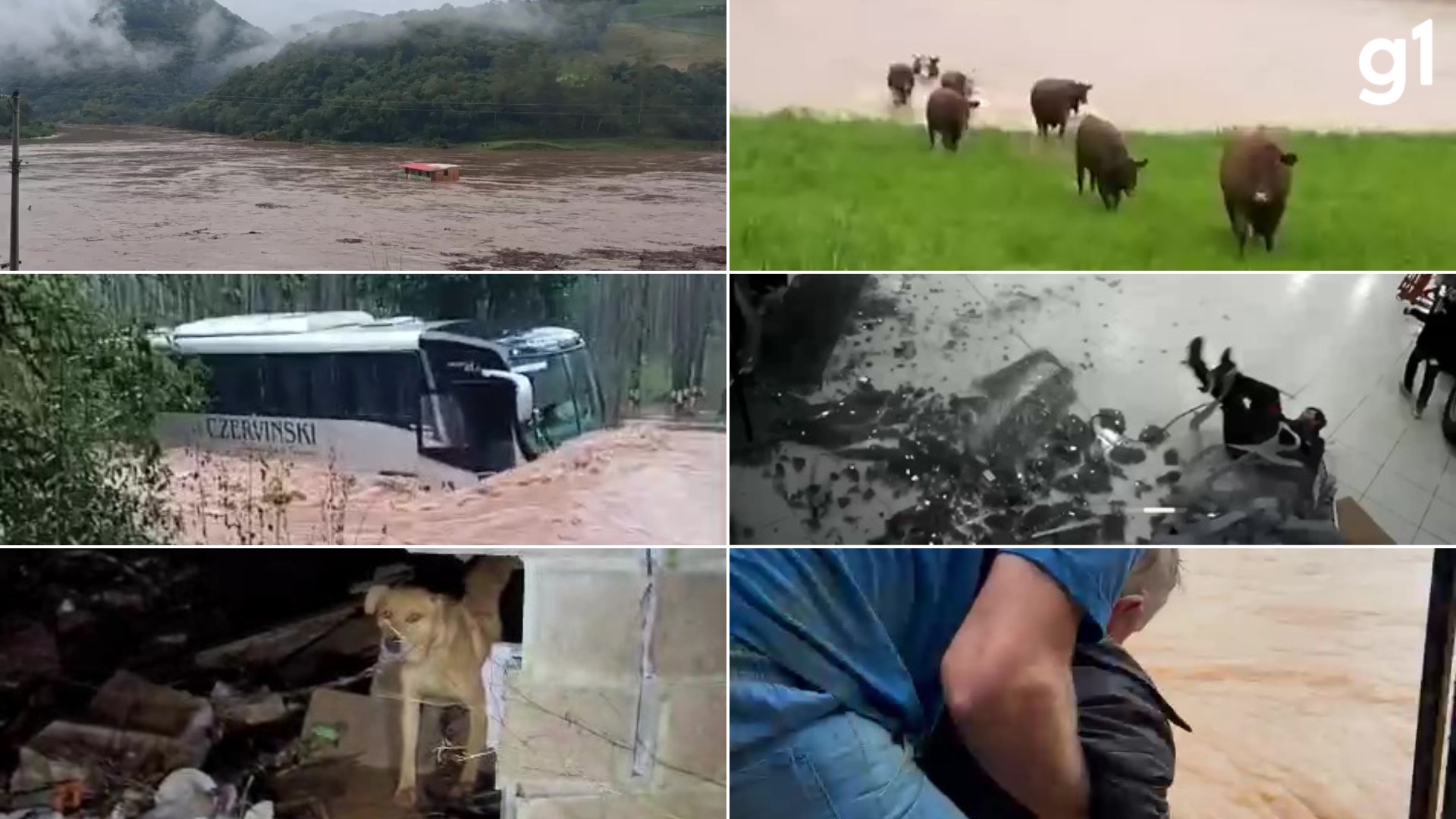
Severe rainfall has caused widespread disruption across Rio Grande do Sul, Brazil, impacting at least 143 municipalities since Friday, May 17th. The Northern region has been particularly hard-hit, with dramatic scenes of livestock swimming to escape rising floodwaters in Lagoa Vermelha. In Erechim, a dog chained in an inundated area of the Progresso neighborhood was rescued by firefighters on Tuesday night, May 21st, and returned safely to its owners.
Strong winds accompanying the storms inflicted significant damage in Frederico Westphalen. A construction material store in the Fátima neighborhood suffered broken windows and scattered inventory, with debris hitting parked vehicles. In another incident in the same city, a glass pane from a business fell on an employee due to the wind's force; the employee was unharmed, and the company is providing support.
Further incidents include a man being rescued from a submerged car in Ciríaco on Tuesday afternoon, May 21st, with the aid of a backhoe. In Ibiraiaras, a bus was swept away by floodwaters on Tuesday afternoon, May 21st, while attempting to cross a flooded road, though no injuries were reported. On Wednesday morning, May 22nd, a house in Bento Gonçalves was carried away by a flash flood and ended up in the Taquari River, with no reported casualties.
The severe weather events in Rio Grande do Sul highlight the increasing vulnerability of communities to extreme climate phenomena, exacerbated by factors such as inadequate infrastructure and land-use planning. The destruction of homes, businesses, and the displacement of livestock underscore the urgent need for enhanced disaster preparedness and resilient infrastructure development. As climate change intensifies, proactive adaptation strategies, including improved early warning systems, robust flood defenses, and sustainable urban planning, will be critical to mitigating future losses and protecting vulnerable populations and economies in the region and globally. The incidents also point to the importance of community resilience and the role of emergency services in responding to such crises.
AI-generated to prompt reflection — not editorial opinion, not advice, not a statement of fact. How this works.