Severe Storm in India Kills Six, Causes Landslides and Flooding in Mumbai
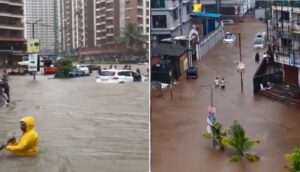
A severe storm struck the Indian city of Mumbai yesterday, resulting in the deaths of at least six people, including five children. The intense rainfall triggered landslides and flooding, causing widespread chaos and disrupting normal life. Several buildings collapsed in a densely populated slum area due to the torrential downpour. The severe weather conditions led to significant disruptions in transportation and necessitated the closure of schools across the city. Reuters reported on the devastating impact of the storm, highlighting the collapse of multiple multi-story buildings. The event underscores the vulnerability of urban infrastructure to extreme weather events, particularly in areas with informal settlements.
The extreme weather event in Mumbai highlights the critical intersection of climate vulnerability and urban development. The loss of life, particularly among children, and the destruction of homes in informal settlements point to systemic issues in disaster preparedness and urban planning. As climate change intensifies, cities like Mumbai face increasing risks from extreme rainfall, landslides, and flooding. Addressing these challenges requires a multi-faceted approach, including investing in resilient infrastructure, improving early warning systems, and implementing more equitable urban development policies that protect vulnerable populations. The incident serves as a stark reminder of the need for proactive adaptation strategies to mitigate the impact of future climate-related disasters.
AI-generated to prompt reflection — not editorial opinion, not advice, not a statement of fact. How this works.