Severe Storm with 70 km/h Winds Causes Widespread Damage in Ribeirão Preto, Brazil
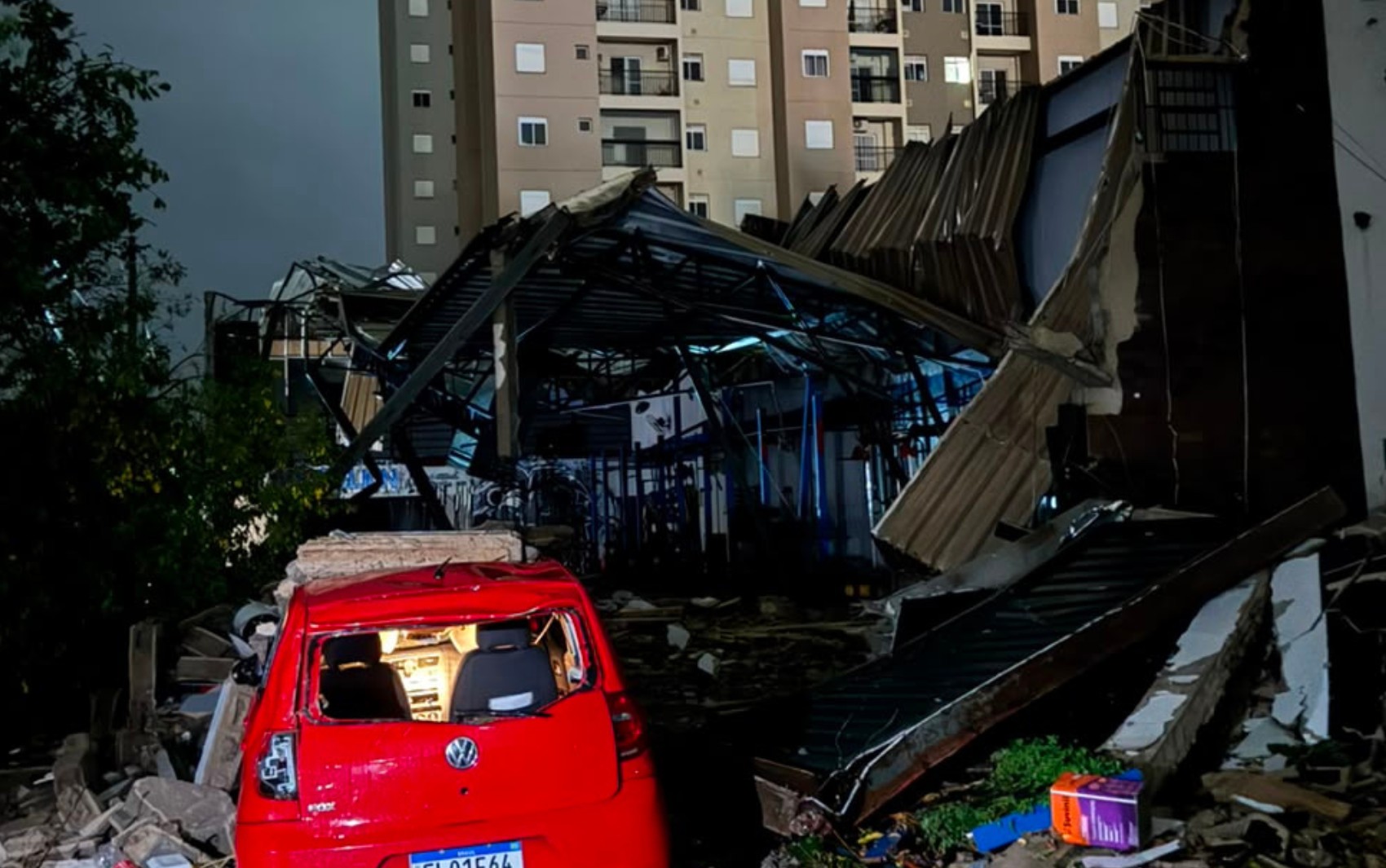
A powerful storm with wind gusts reaching approximately 70 km/h struck Ribeirão Preto, São Paulo, Brazil, early Friday morning, causing significant damage across the city. The intense storm lasted for about 30 minutes, during which the municipality recorded 24 millimeters of rain in just 20 minutes. According to the Civil Defense, the strong winds and heavy rain led to fallen trees, damaged roofs, and collapsed structures. The storm's impact has disrupted essential services, with residents reporting power outages, water supply interruptions, and unstable telephone and internet networks since Friday morning. City officials, Civil Defense, and firefighters are currently on-site assessing the damage. The storm affected critical infrastructure, including hospitals; the Emergency Unit of the Hospital das Clínicas was temporarily closed to new patients, and another hospital, Santa Lydia, experienced flooding and access issues due to a fallen tree, though no injuries were reported there. A training center structure collapsed, injuring one person, and a gas station had its pumps ripped out. Educational institutions were also impacted, with three municipal schools suspending classes due to safety concerns. Waste collection services are experiencing delays as debris blocks roads. The storm's effects extended to neighboring towns, with several reporting power outages, and a section of the Bandeirantes Highway was closed due to a fallen tree. The local water and sewage department's stations were also affected by power outages, potentially leading to water shortages in various neighborhoods.
This severe weather event highlights the vulnerability of urban infrastructure to extreme meteorological phenomena, exacerbated by the density of development. The widespread disruption to power, water, and communication networks underscores the critical need for resilient public utility systems capable of withstanding such shocks. The damage to essential services like hospitals and schools points to systemic challenges in disaster preparedness and response planning, particularly in balancing immediate emergency needs with long-term infrastructure hardening. As climate patterns shift, communities like Ribeirão Preto may face increased frequency and intensity of such events, necessitating proactive investments in climate adaptation and infrastructure upgrades to mitigate future economic and social costs.
AI-generated to prompt reflection — not editorial opinion, not advice, not a statement of fact. How this works.