Severe Storm Wreaks Havoc on USP Ribeirão Preto Campus, Causing Widespread Damage
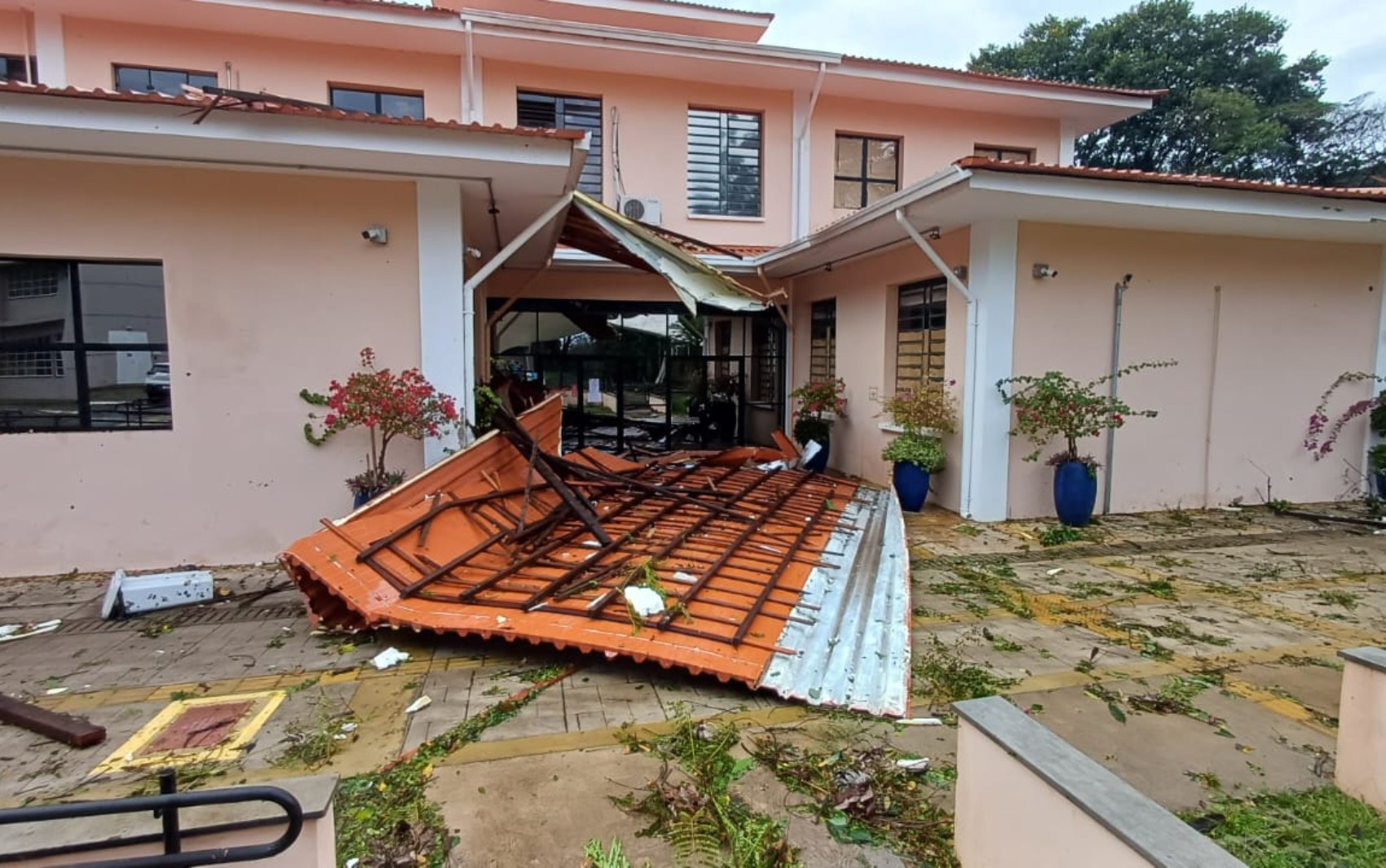
A severe storm with winds reaching up to 122 km/h struck the Ribeirão Preto region in São Paulo state on Friday, November 24th, leaving a trail of destruction. The University of São Paulo (USP) campus in Ribeirão Preto sustained significant damage, with the faculties of Physical Education, Medicine, Nursing, and Philosophy being among the most affected. The central library, recently renovated, suffered partial destruction as its roof was torn off by the strong winds. Numerous trees were also felled across the campus, blocking internal circulation routes. USP's rector, Aluisio Augusto Cotrim Segurado, visited the campus on Saturday, November 25th, to assess the damage and plan recovery efforts. The storm, which lasted approximately 30 minutes, impacted at least nine cities in the region. Beyond the USP campus, the high winds damaged business structures, uprooted trees, removed roofs from properties, and caused power outages in municipalities like Guariba and Taquaritinga. Tragically, a 75-year-old man in Ribeirão Preto died when a neighboring shed collapsed onto his home. The storm also led to displacement of residents in the region. As of Saturday afternoon, CPFL Paulista reported that 81,900 customers were still without electricity in the Ribeirão Preto area. Essential services such as water supply, telephone, and internet were also disrupted.
The severe storm's impact highlights the vulnerability of critical infrastructure, including educational institutions and residential areas, to extreme weather events. The damage to USP's campus and the disruption of essential services underscore the need for enhanced resilience planning and infrastructure hardening against climate-related risks. The tragic loss of life and displacement of residents point to systemic challenges in disaster preparedness and response, particularly for vulnerable populations. Future investments in weather-resilient construction, early warning systems, and robust emergency response protocols will be crucial for mitigating the escalating impacts of increasingly frequent and intense weather phenomena in the coming decade.
AI-generated to prompt reflection — not editorial opinion, not advice, not a statement of fact. How this works.