Severe Storms Devastate Ribeirão Preto Region: Power Outages, Fatalities, and Widespread Destruction
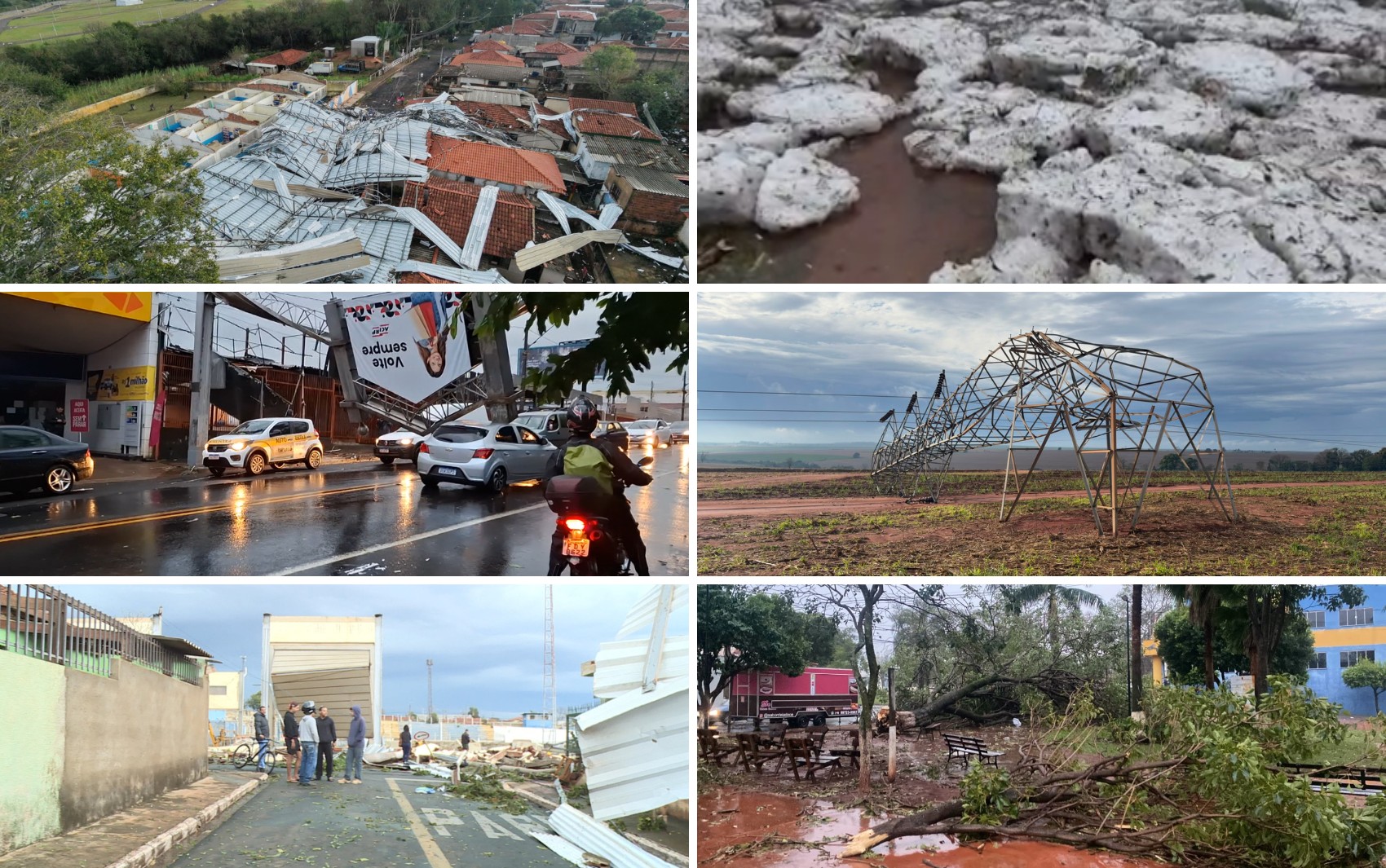
A powerful storm with winds reaching up to 122 km/h struck the Ribeirão Preto region in Brazil last Friday, April 24th, leaving a trail of destruction across at least nine cities and prompting states of emergency in Dumont, Guariba, and Taquaritinga. The intense winds caused significant damage, including the collapse of business structures, uprooted trees, and widespread roof damage to homes. Power supply was completely interrupted in cities like Guariba and Taquaritinga, with CPFL Paulista reporting 115,180 customers still without electricity on Saturday, April 25th. Essential services such as water, telephony, and internet were also compromised.
In Ribeirão Preto, a 75-year-old man tragically died when his home was struck by the collapsing structure of a neighboring warehouse. A gym's structure also collapsed during the storm, but a professor managed to safely evacuate the twelve people inside. A traditional commercial archway in the city's north zone was twisted and fell onto an app driver's car, though fortunately, no one was injured. In Taquaritinga, part of a municipal school's structure was destroyed, leading to the suspension of classes. High-voltage power towers were toppled in the rural areas, impacting electricity supply. Guariba experienced hail that damaged roofs and covered streets, with a municipal agribusiness shed completely destroyed. Jaboticabal saw multiple grain processing plant sheds demolished, and Dumont suffered destructions to homes, businesses, and its central square, with a factory losing a significant portion of its roof.
The severe weather event highlights the vulnerability of infrastructure in the Ribeirão Preto region to extreme meteorological phenomena. The widespread destruction of power lines, commercial buildings, and even public facilities like schools and hospitals underscores the need for enhanced resilience planning and infrastructure upgrades. The incident also points to the critical importance of robust emergency response systems and clear communication protocols during natural disasters to mitigate loss of life and property. Looking ahead, climate change projections suggest an increased frequency and intensity of such extreme weather events, necessitating a long-term strategy that integrates climate adaptation measures into urban and rural development planning to safeguard communities and economic stability.
AI-generated to prompt reflection — not editorial opinion, not advice, not a statement of fact. How this works.