Severe Storms Hit Western São Paulo, Causing Flooding, Hail, and Fallen Trees
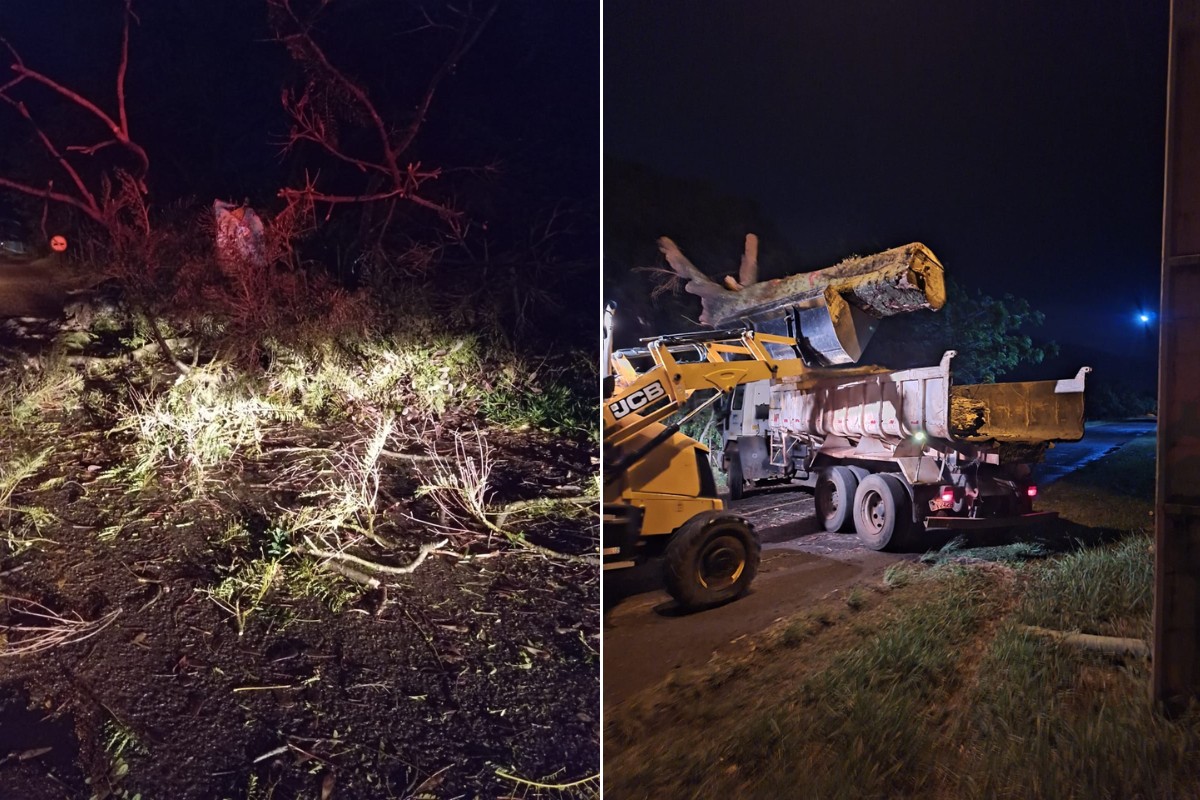
A severe storm swept through Western São Paulo on Wednesday, November 29th, bringing heavy rains, hail, and strong winds. Municipalities in the Presidente Prudente region experienced significant disruptions, including widespread flooding and numerous fallen trees. In Martinópolis, a large tree collapsed onto Via Rosendo Macedo, completely blocking traffic for several hours while emergency services worked to clear the obstruction. Fortunately, no injuries were reported in this incident. Regente Feijó also reported hail in multiple neighborhoods, though no specific damages were detailed. Teodoro Sampaio faced power outages in the Vila Minas Gerais neighborhood due to the storm, along with flooding and flash floods that hampered communication with the local fire department. The forecast for Thursday, November 30th, indicated continued rainfall and mild temperatures across the region, with the potential for more localized heavy showers, thunderstorms, and gusty winds in the western part of the state. The National Institute of Meteorology advised residents to avoid seeking shelter under trees during strong winds due to the risk of falling branches and electrical discharge, and to refrain from parking vehicles near transmission towers or billboards.
The severe weather event in Western São Paulo highlights the increasing vulnerability of urban and semi-urban infrastructure to extreme meteorological phenomena. The rapid onset of heavy rainfall and high winds, coupled with hail, underscores the need for robust disaster preparedness and resilient infrastructure planning. Such events can strain municipal emergency response capacities and expose gaps in communication networks, as seen in Teodoro Sampaio. Future urban development and land-use policies should increasingly integrate climate resilience strategies, considering the potential for more frequent and intense weather events driven by broader climate shifts. Effective early warning systems, like the cell broadcast alerts utilized, are crucial, but their impact is maximized when complemented by infrastructure capable of withstanding or mitigating the physical consequences of severe weather.
AI-generated to prompt reflection — not editorial opinion, not advice, not a statement of fact. How this works.