Severe Storms Threaten Southern Brazil, While Southeast and Central-West Face Dry, Warm Days
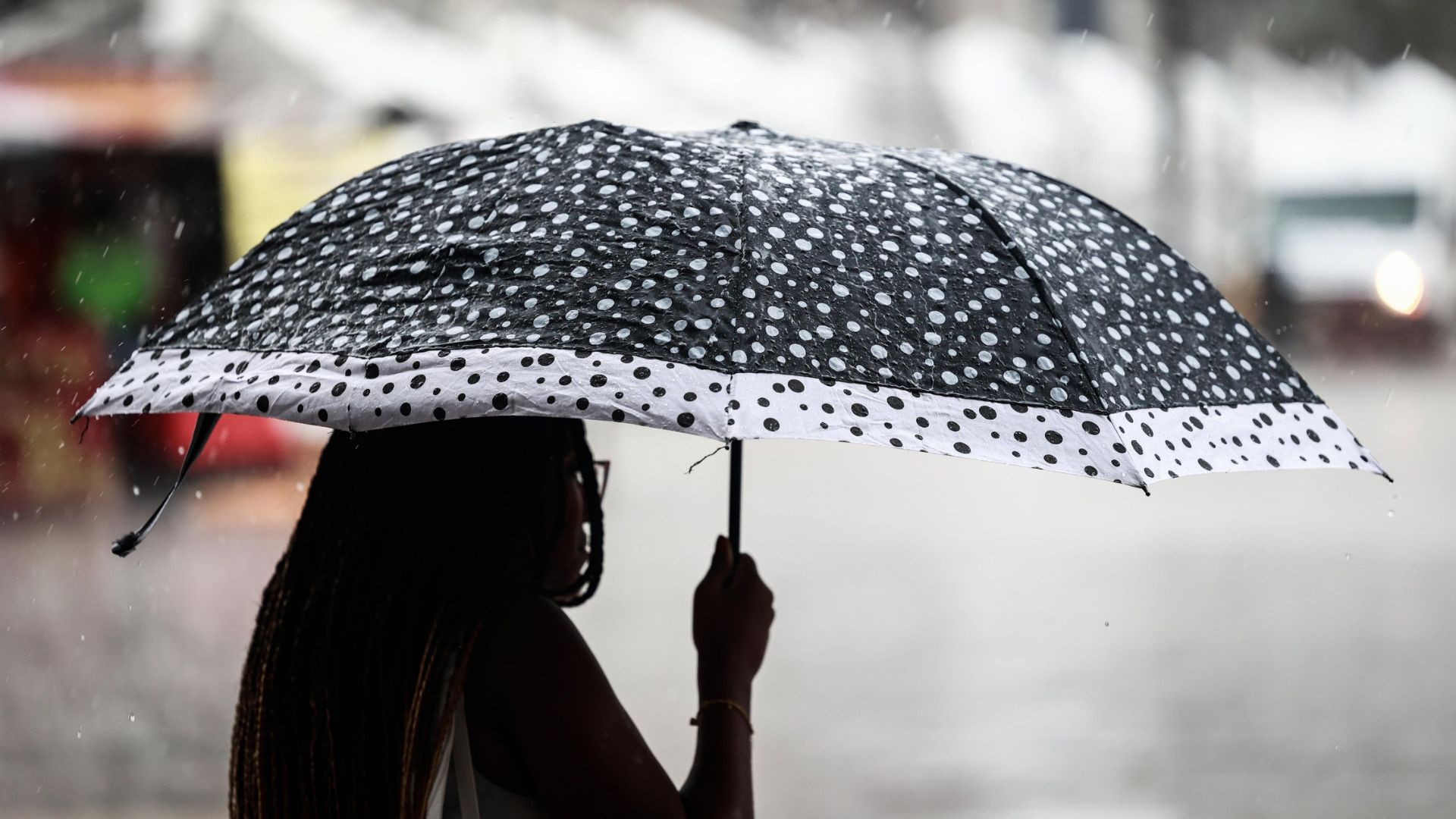
Southern Brazil, particularly Rio Grande do Sul, is bracing for a series of intense storms starting Thursday, May 16th. These storms are expected to bring heavy rain, hail, strong winds potentially reaching 100 km/h in cities like Uruguaiana and Bagé, and a risk of localized severe phenomena such as tornadoes and microbursts, especially in the Campanha and southern regions. Accumulated rainfall over several days is a significant concern for the western, Campanha, southern, and northwestern parts of the state. Meanwhile, Santa Catarina and Paraná will largely experience dry weather, with cooler mornings and potential frost in southern Paraná, though winds may increase in western areas. Porto Alegre anticipates a warm Thursday with a high of 27°C before the storms intensify.
In contrast, the Southeast and Central-West regions of Brazil will remain dry due to an atmospheric block, leading to sunny days and warmer afternoons. Significant temperature fluctuations are expected, with cool mornings giving way to high temperatures, potentially reaching 30°C in parts of São Paulo and Minas Gerais, and up to 34°C in some areas of Mato Grosso do Sul, Goiás, the Federal District, and Mato Grosso. Low humidity, between 20% and 30%, will be a notable feature in these regions. The Northeast will see some coastal instability with rain, particularly between Alagoas and Rio Grande do Norte, though this is expected to decrease by Friday, with dry and warm conditions prevailing inland. The North region will continue to experience heat and humidity, with scattered rain showers expected across states like Amazonas, Pará, and Roraima, where temperatures could reach 34°C.
This forecast highlights a significant regional weather dichotomy across Brazil, driven by atmospheric blocking patterns. While the South faces severe storm risks and potential localized extreme weather events, the Southeast and Central-West are characterized by dry conditions and pronounced diurnal temperature ranges. This contrast underscores the complex and varied impacts of weather systems on different parts of the country. The analysis of such patterns is crucial for agricultural planning, infrastructure resilience, and public safety, particularly concerning flash floods, wind damage, and the exacerbation of dry conditions leading to low humidity and increased fire risk in drier regions. Understanding these atmospheric dynamics is key to anticipating future climate variability and its cascading effects on ecosystems and human activities.
AI-generated to prompt reflection — not editorial opinion, not advice, not a statement of fact. How this works.