Severe Winds Cause Fatalities, Blackouts, and Damage Across Brazil's South and Southeast
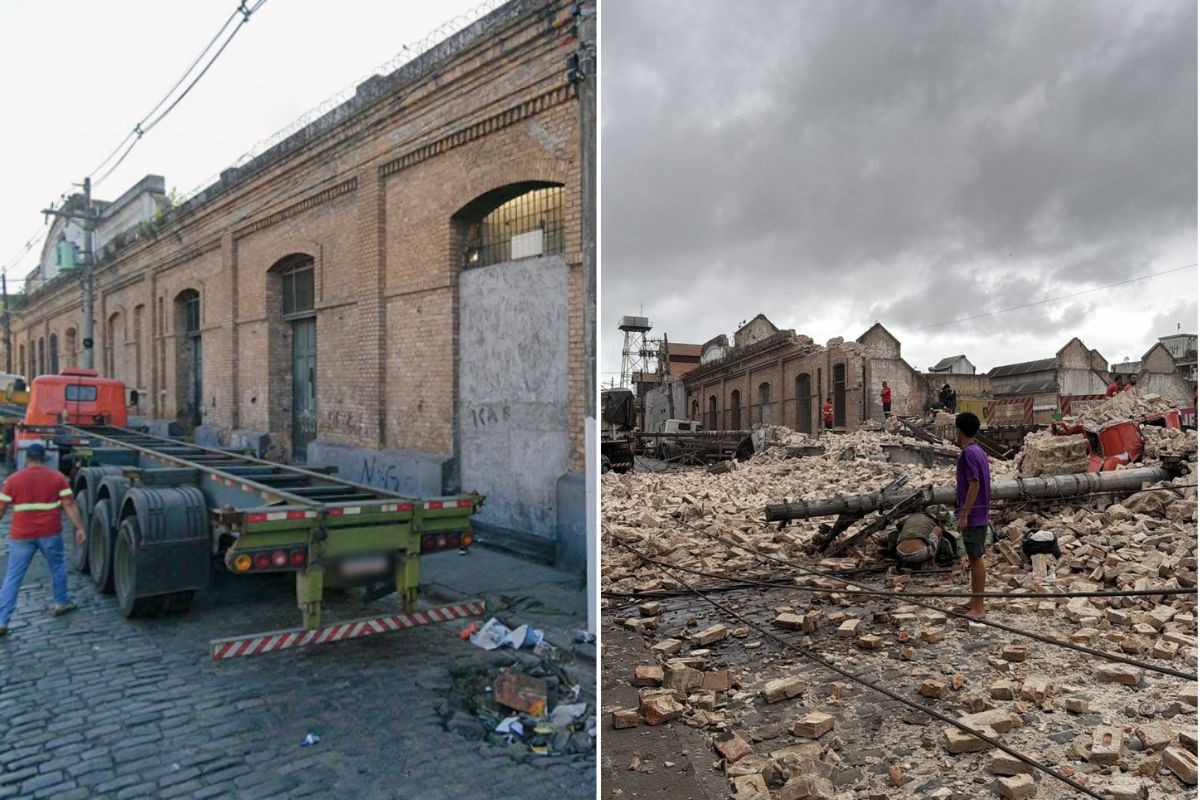
Intense winds, with gusts reaching up to 124.9 km/h, have caused widespread disruption across Brazil's southern and southeastern regions between Tuesday, November 28th, and Wednesday, November 29th. The severe weather resulted in two fatalities in São Paulo: one man in Santos was killed by a falling tree, and another, 62-year-old driver, died when a large tree crushed his car in Cesário Lange. In Rio de Janeiro, winds exceeding 100 km/h caused power outages, affected metro and train services, and downed trees in various areas, prompting the mayor of Duque de Caxias to advise against non-essential travel. The state of Rio Grande do Sul experienced a tornado that struck the municipalities of Giruá, Sete de Setembro, and Senador Salgado Filho on Tuesday evening, injuring seven people, destroying homes, and displacing dozens of residents. In Paraná, the same weather system brought winds over 80 km/h, damaging roofs, felling trees, and leaving over 108,000 properties without power. The extreme weather is attributed to a cold front advancing through the Center-South, encountering a warm and humid atmosphere that fueled severe thunderstorms and powerful gusts. Transportation and infrastructure were significantly impacted, with the Port of Santos suspending navigation, ferry services halted, and roads blocked by fallen trees. The rapid temperature drop, from around 29°C to 20-21°C in about an hour in some areas, accompanied the arrival of the cold air.
The extreme weather events highlight the vulnerability of Brazil's infrastructure and urban planning to meteorological phenomena. The occurrence of high winds and a tornado, linked to atmospheric conditions, underscores the need for enhanced early warning systems and resilient infrastructure development. The economic impact, evidenced by disruptions to port operations, transportation, and power grids, necessitates a review of preparedness strategies. Looking ahead, as climate patterns potentially intensify such events, investing in climate adaptation measures and robust disaster response mechanisms will be crucial for mitigating future risks and ensuring public safety across affected regions.
AI-generated to prompt reflection — not editorial opinion, not advice, not a statement of fact. How this works.