Severe Winds of Up to 125 km/h Cause Deaths and Destruction in São Paulo
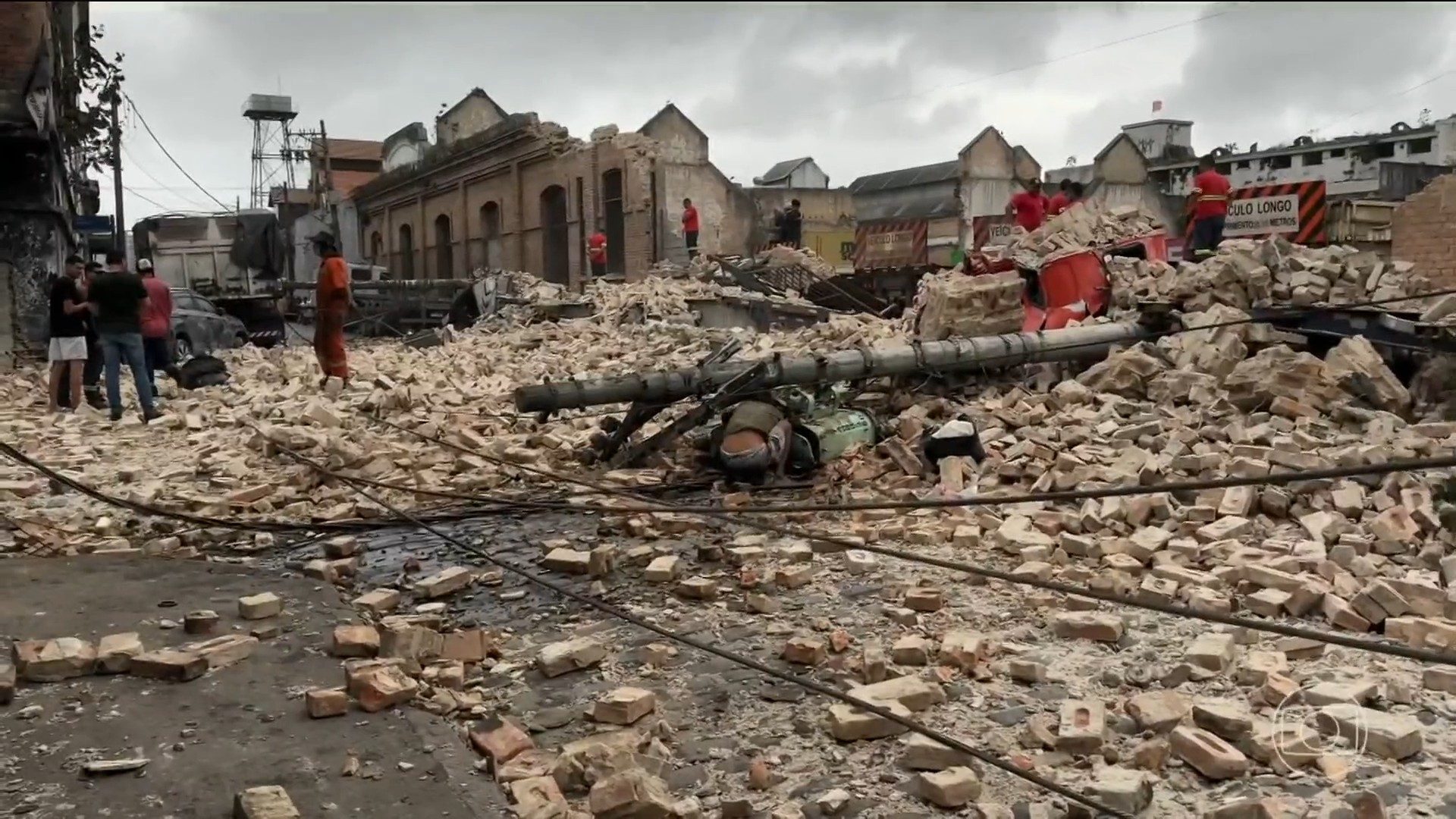
Severe winds reaching up to 125 km/h have caused widespread devastation across São Paulo state, including its coast, interior, and metropolitan region. The powerful gusts resulted in three fatalities and significant destruction this past week. In Santos, wind speeds exceeded 111 km/h, leading to the fall of over 20 trees. One tree crushed a homeless man to death, while a metal structure collapsed on a family seeking shelter, though no injuries were reported in the latter incident. The port of Santos experienced disruptions, with its channel closed for over three hours and ferry services between Santos and Guarujá suspended for more than an hour.
In Cubatão, fallen trees caused power outages affecting a large portion of the city, and classes were suspended in 15 schools. Peruíbe's Jardim São João School suffered complete roof destruction. A fishing boat sank in São Sebastião, resulting in the rescue of five crew members but the death of a 50-year-old man. The interior of the state recorded the highest wind speeds, with the Civil Defense reporting gusts up to 125 km/h. In Laranjal Paulista, two women were injured by a falling tree in a public square. A 62-year-old man died in Cesário Lange when a large eucalyptus tree fell onto his car as he was returning from work.
The metropolitan area also experienced significant impacts, with numerous trees downed and airport operations severely affected. São Paulo's Congonhas Airport canceled eight arrivals and seven departures, diverting 15 other flights. Guarulhos International Airport also reported disruptions due to the strong winds.
This event highlights the vulnerability of urban and coastal infrastructure to extreme weather phenomena, exacerbated by climate change. The severe wind events underscore the need for enhanced meteorological forecasting and early warning systems, particularly in densely populated areas. Infrastructure resilience, including tree management and the structural integrity of buildings and public facilities, requires urgent reassessment and investment to mitigate future risks. The economic impact, including disruptions to transportation, education, and port operations, necessitates comprehensive disaster preparedness and response strategies. Future urban planning must integrate climate adaptation measures to safeguard communities against increasingly frequent and intense weather events.
AI-generated to prompt reflection — not editorial opinion, not advice, not a statement of fact. How this works.