Severely emaciated dog rescued in Piauí; owner arrested for animal cruelty
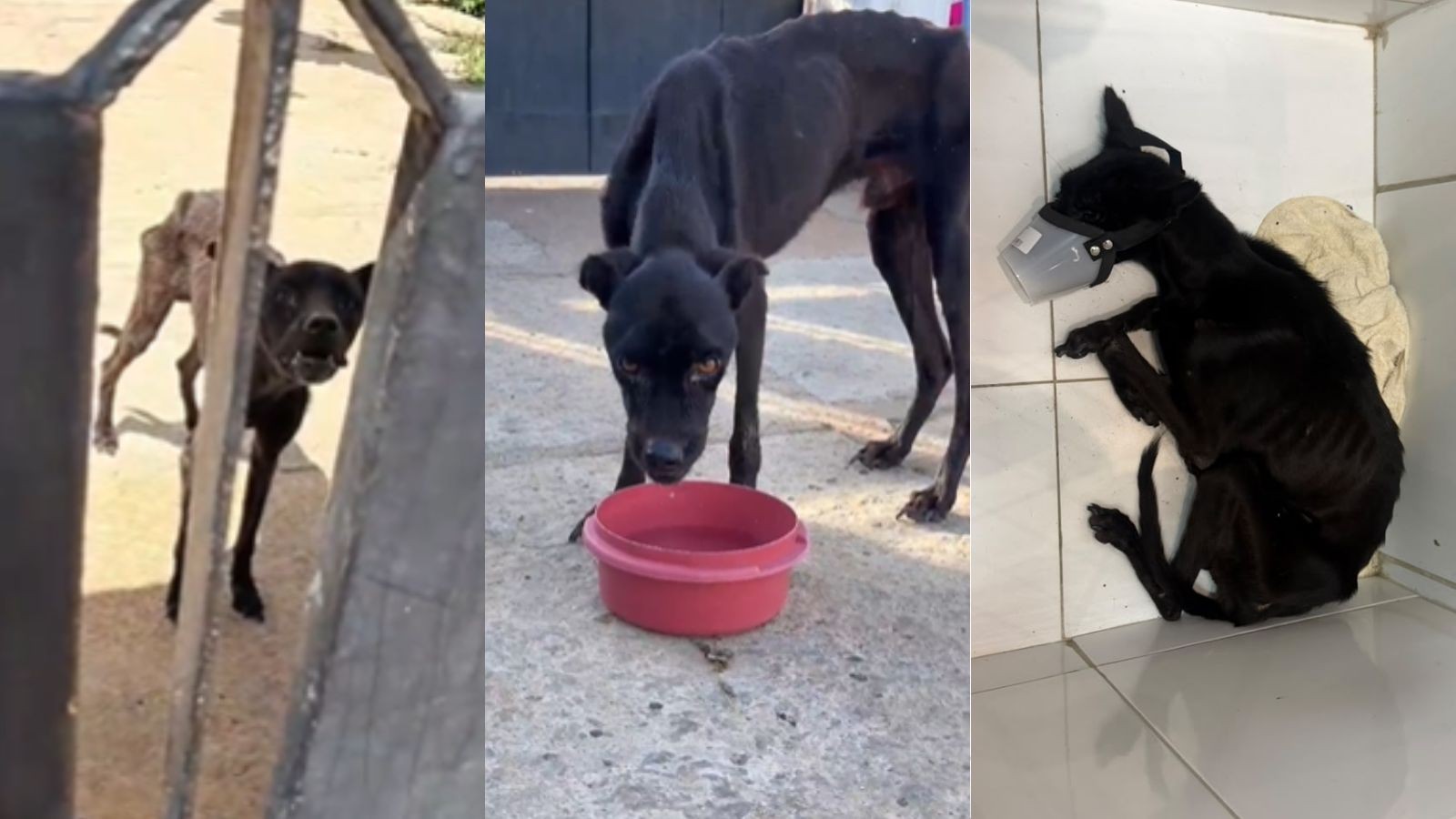
A severely emaciated dog was rescued in Parnaíba, Piauí, following a report of animal cruelty. The animal's owner was arrested on Monday, the 13th, on suspicion of the crime. The case came to the attention of the police through a complaint accompanied by graphic photos and videos depicting a grave situation. Authorities used a drone to survey the property before entering. Upon inspection, officers found no food or clean water for the dog. The rescued canine was taken for veterinary care and subsequently diagnosed with distemper, remaining hospitalized in critical condition. Animal welfare advocates are organizing a fundraising campaign to cover the extensive treatment costs. The dog exhibited signs of neglect, including severe emaciation and lack of necessary care, and had reportedly suffered abuse and never received vaccinations. The owner was arrested in flagrante delicto for animal cruelty. However, according to the investigating delegate, the suspect may be released pending trial, as Brazilian law generally grants provisional liberty in such cases until a final conviction, which does not negate the evidence gathered against her.
This incident highlights the persistent challenge of enforcing animal welfare laws, particularly in cases of severe neglect. While the immediate rescue and arrest are positive steps, the legal framework's emphasis on provisional liberty pending trial, as explained by the delegate, can create a perception of leniency. This legal nuance, designed to uphold the presumption of innocence, may not always align with public expectations for immediate accountability in animal cruelty cases. Future policy considerations could explore mechanisms that balance legal due process with more robust interim protections for vulnerable animals, potentially through specialized animal welfare courts or stricter pre-trial detention criteria for egregious offenses. The long-term implications involve public trust in the justice system's commitment to animal protection and the effectiveness of deterrents against such cruelty.
AI-generated to prompt reflection — not editorial opinion, not advice, not a statement of fact. How this works.