Seveso at 50 Years: A Call to Protect the Forest Grown on Dioxin
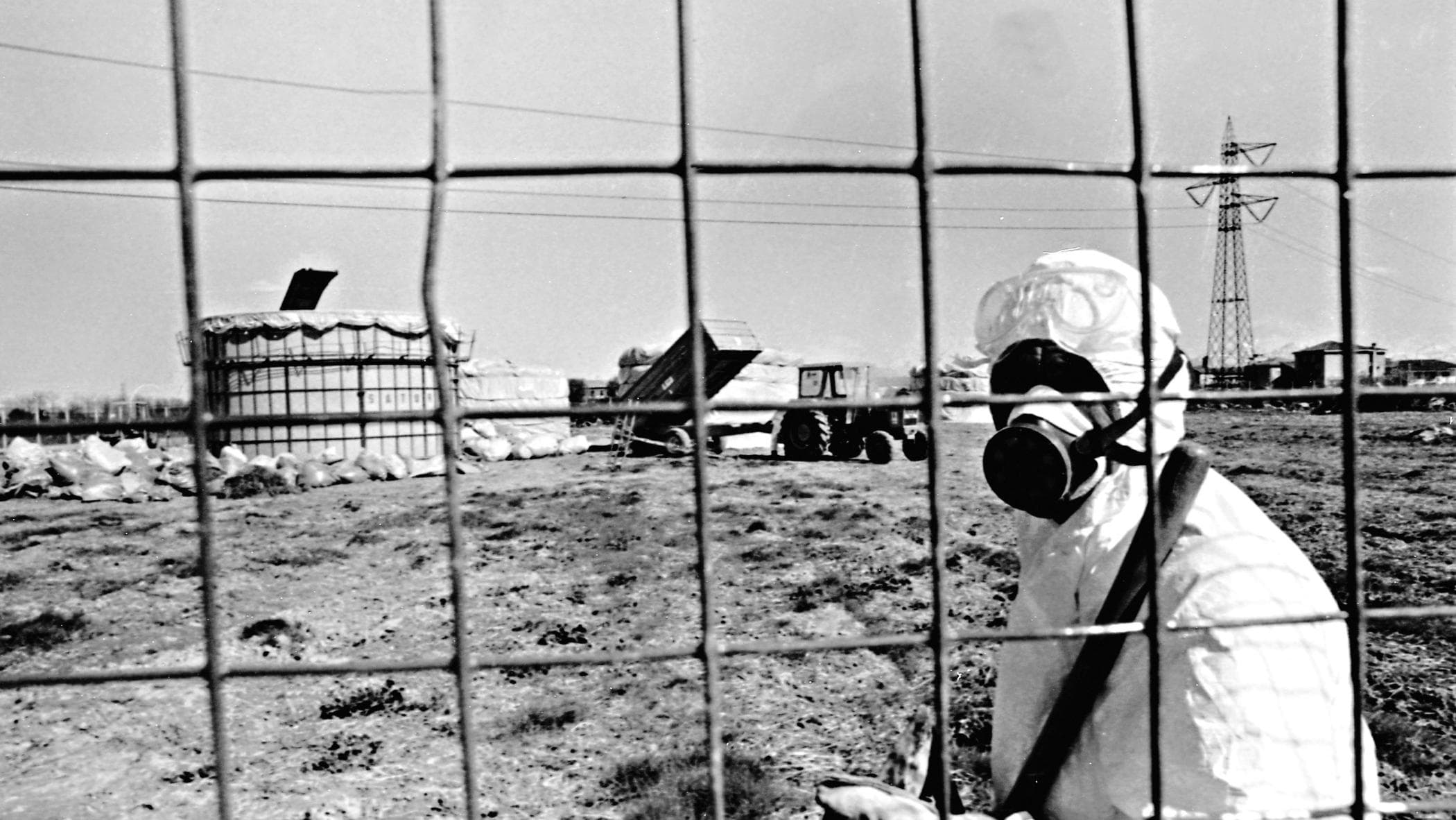
Fifty years after one of Italy's worst ecological disasters, a return to the town of Seveso in the Brianza region highlights ongoing environmental concerns. In 1976, the ICMESA chemical plant released a toxic cloud containing dioxin, heavily contaminating the surrounding area. The event led to widespread evacuations, the culling of thousands of animals, and significant long-term health issues for residents. Despite extensive cleanup efforts over the decades, the legacy of the disaster persists. A notable aspect of Seveso's recovery is the growth of a forest on the contaminated land, a symbol of nature's resilience. However, there are now calls to protect this unique woodland, recognizing its historical significance and the complex ecological balance it represents. The community continues to grapple with the memory of the catastrophe and the ongoing need for vigilance regarding environmental safety.
The Seveso disaster serves as a stark reminder of the critical need for robust industrial safety regulations and transparent corporate accountability. Fifty years on, the emergence of a forest on contaminated land presents a complex ecological and symbolic situation. This natural reclamation raises questions about long-term land use, potential residual risks, and the evolving relationship between human industrial impact and ecological recovery. Future management decisions will need to balance historical preservation, scientific understanding of dioxin's persistence, and the potential for sustainable coexistence, reflecting broader challenges in industrial zone remediation and environmental stewardship in the face of technological advancement and climate change.
AI-generated to prompt reflection — not editorial opinion, not advice, not a statement of fact. How this works.