Sexuality After 70: Redefining Intimacy and Overcoming Ageist Prejudices
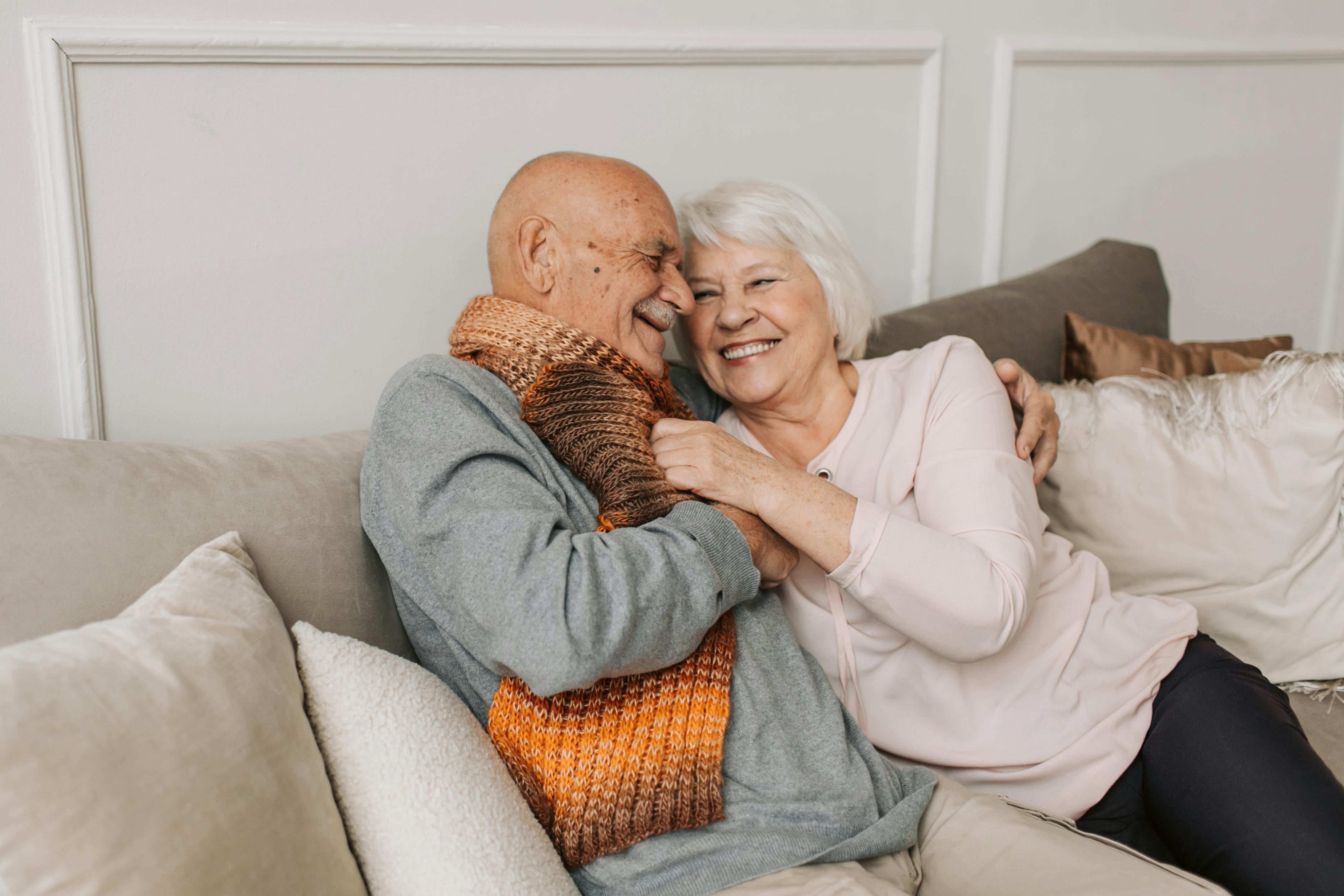
Aging significantly alters the body and influences how individuals form relationships and seek pleasure. This transformation extends to sexuality, prompting a reevaluation of intimacy after the age of 70. Physical responses change, but the desire for connection and sexual satisfaction often persists. Various alternatives exist to address and improve these physical changes, aiming to enhance sexual well-being in later life.
However, a major hurdle in adapting to these changes is often societal and personal prejudice surrounding aging and sexuality. These ingrained beliefs can create significant psychological barriers, preventing individuals from exploring or enjoying their sexual lives. Overcoming these internal and external prejudices is crucial for reinventing intimacy and maintaining a fulfilling sexual connection in the senior years. The article explores these evolving dynamics and the challenges faced.
The societal narrative often associates sexual vitality with youth, creating a cultural blind spot regarding the persistent sexual desires and evolving intimacy needs of older adults. This framing can lead to a neglect of resources and open discussion for individuals over 70, potentially exacerbating feelings of isolation or inadequacy. Addressing the physical and psychological aspects of sexuality in later life requires a shift in perspective, moving beyond ageist stereotypes to recognize the diverse and enduring human need for connection and pleasure. Future healthcare and social support systems should proactively integrate comprehensive sexual health education and resources tailored to the aging population, fostering a more inclusive and supportive environment for all life stages.
AI-generated to prompt reflection — not editorial opinion, not advice, not a statement of fact. How this works.