Shabbat Opening Sparks Conflict in Jerusalem Cafe
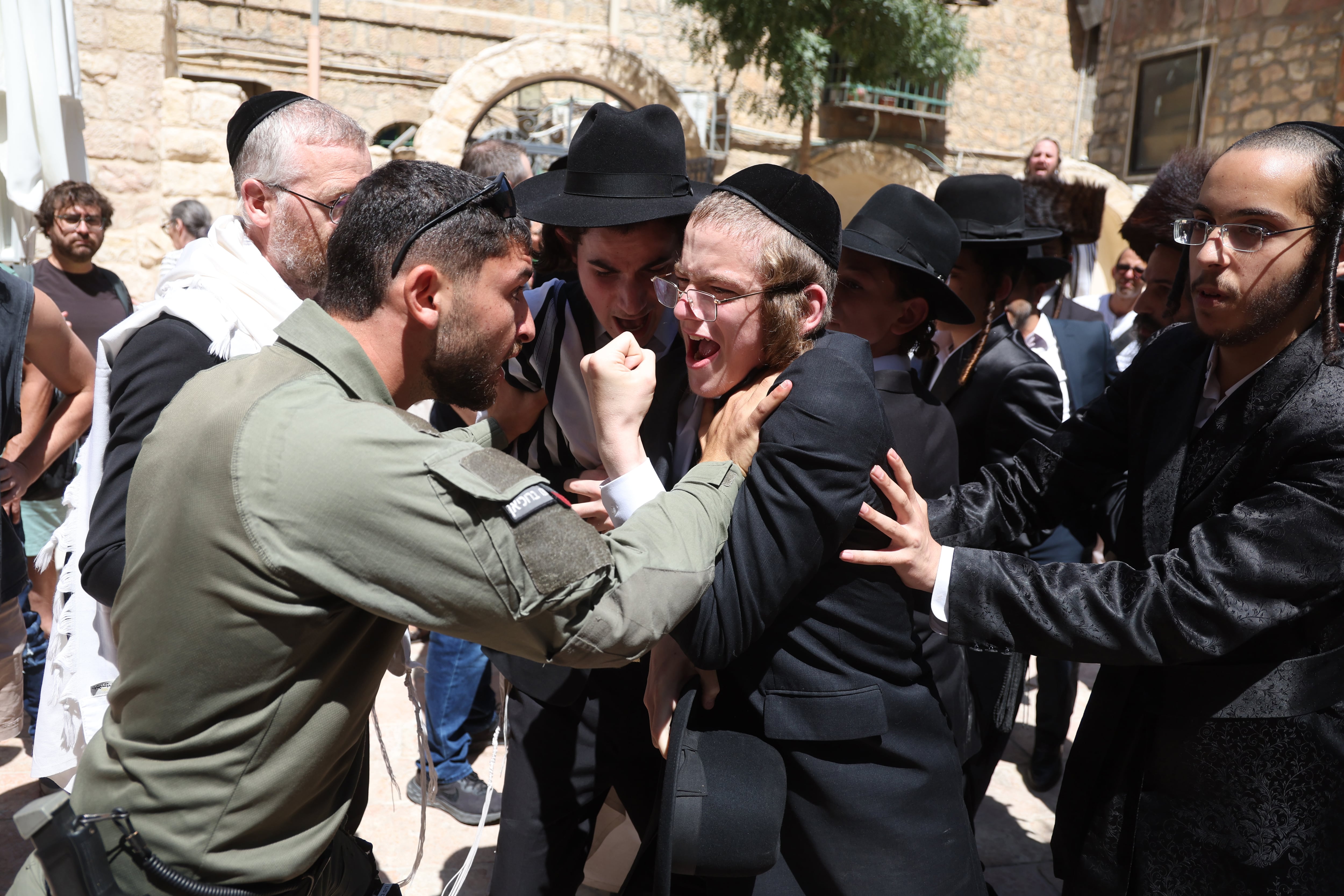
A dispute over the Saturday opening of a cafe in Jerusalem has escalated into a symbolic clash between ultra-Orthodox and secular Jewish communities. The cafe, located in the heart of Israel, has become a focal point for the deep divisions within Israeli society regarding religious observance. Ultra-Orthodox protesters have gathered to demonstrate against the establishment's operation on Shabbat, the Jewish day of rest, which is traditionally observed with a complete cessation of work and commerce.
Secular Israelis, however, view the cafe's opening as a matter of personal freedom and a reflection of a more modern, diverse society. They argue that the increasing influence of religious law in public life infringes upon the rights of those who do not adhere to strict religious practices. This incident highlights the ongoing tension between religious and secular populations in Israel, a conflict that frequently surfaces over issues of public space, transportation, and business operations on Shabbat. The cafe has thus transformed into a battleground, representing the broader societal struggle over the character of the Israeli state and the balance between tradition and modernity.
This incident highlights the persistent tension between religious and secular interpretations of Jewish law within Israel, particularly concerning public life and commerce on Shabbat. The conflict over the cafe's operation reflects broader societal dynamics where differing values regarding tradition, personal freedom, and the role of religion in a modern state are in contention. As Israeli society continues to evolve, navigating these deeply ingrained divisions will require careful consideration of governance structures that can accommodate diverse perspectives without alienating significant segments of the population. The long-term implications involve the ongoing negotiation of national identity and the potential for further polarization if these issues are not addressed through inclusive dialogue and policy-making.
AI-generated to prompt reflection — not editorial opinion, not advice, not a statement of fact. How this works.