Shanghai AI Conference Highlights Global Divide
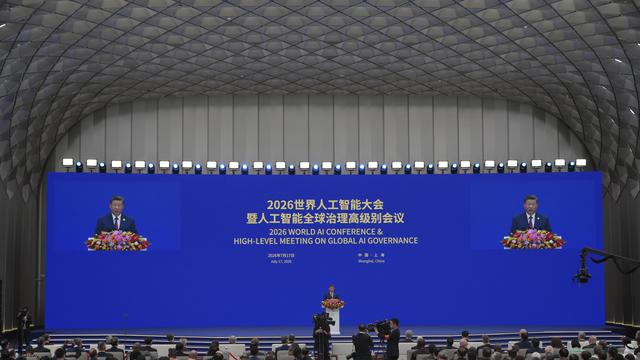
Chinese President Xi Jinping has launched a new organization aimed at fostering global cooperation in artificial intelligence. This initiative is positioned as a counterweight to the influence of other major world powers. The move comes during an AI conference held in Shanghai, signaling China's growing ambition in the field of AI development and governance. The establishment of this new body suggests a potential bifurcation of the global AI landscape. It aims to create an alternative framework for international collaboration, potentially challenging existing norms and structures. The conference itself serves as a platform for China to assert its vision for AI's future. This development underscores the geopolitical implications of AI advancement, as nations increasingly seek to shape its trajectory according to their interests. The initiative reflects a broader trend of technological competition and strategic positioning among global powers.
AI's rapid advancement is increasingly intertwined with geopolitical competition, as evidenced by China's establishment of a new global AI cooperation organization. This move signals a strategic effort to shape international AI governance and development, potentially creating distinct blocs with differing technological standards and ethical frameworks. Such a division could impact global research collaboration, data sharing, and the deployment of AI technologies. The long-term implications may involve a fragmentation of the digital commons and increased friction in international relations, necessitating careful navigation to foster innovation while mitigating risks.
AI-generated to prompt reflection — not editorial opinion, not advice, not a statement of fact. How this works.