Shanghai Restaurant Offers Gourmet French-Inspired Menu Exclusively for Dogs
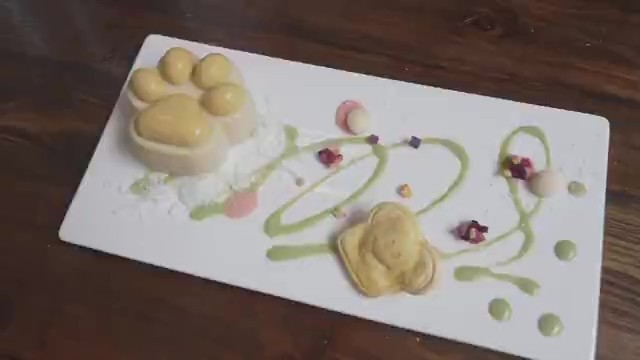
A unique restaurant in Shanghai, China, is catering exclusively to canine customers with a sophisticated menu inspired by French cuisine. The establishment offers dishes like tuna tartare, priced at approximately R$ 70, and a special petit gâteau for dogs. These meals are meticulously prepared by a chef brought from Taiwan, adhering to strict nutritional guidelines for pets, meaning they are made without salt or sugar, with only small amounts of honey in desserts. The presentation is as elaborate as human fine dining, with the petit gâteau served ceremoniously. This culinary venture is part of a larger complex dedicated to pets, which also features sports competitions, obstacle courses, a spa, a hotel, and leisure areas. Completing challenges at these events earns stamps redeemable for prizes like treats or service discounts. The burgeoning pet market in China, estimated at R$ 240 billion annually and having tripled in the last decade, reflects a significant societal shift. With more urban adults choosing to remain single or delay having children, pets are increasingly viewed as integral family members, with pet ownership surpassing infant populations in Chinese cities. Some owners reportedly spend up to R$ 4,000 monthly on their pets, covering gourmet food, clothing, training, and unique experiences once reserved for humans.
The emergence of high-end pet dining in China highlights a profound demographic and economic transition. As urbanization and evolving social norms lead to delayed or forgone parenthood, companion animals are assuming roles previously occupied by children, driving substantial growth in the pet care industry. This phenomenon underscores a powerful consumer trend where emotional investment translates into significant market value, prompting businesses to innovate with luxury services. The sophisticated offerings, from gourmet meals to specialized amenities, reflect a market response to affluent pet owners seeking to extend human-centric experiences to their animal companions. This trend indicates a future where the lines between human and pet consumption may continue to blur, presenting both opportunities and ethical considerations regarding resource allocation and the definition of family.
AI-generated to prompt reflection — not editorial opinion, not advice, not a statement of fact. How this works.