Shared electric scooters launch along Pampulha Lagoon waterfront in Belo Horizonte
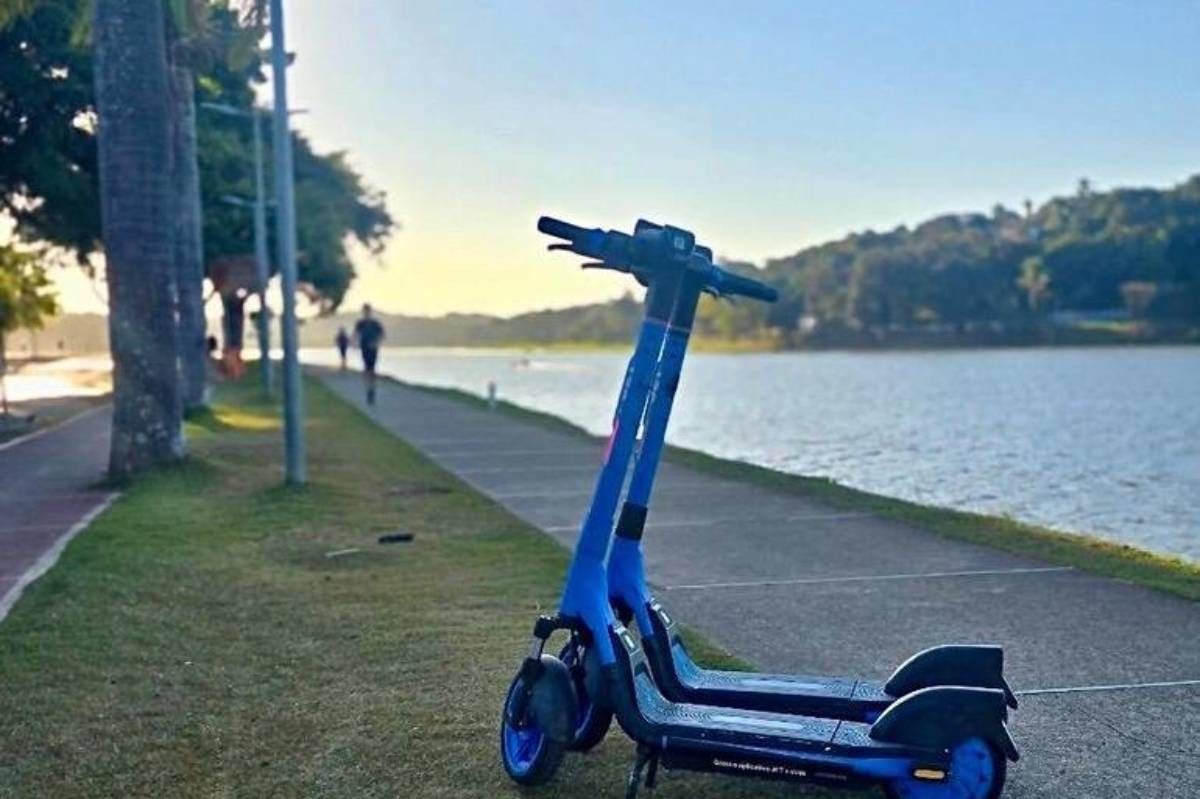
Shared electric scooters are now available for use along the waterfront of the Pampulha Lagoon in Belo Horizonte, Brazil, starting Sunday, March 19th. This expansion introduces 20 stations, comprising 18 physical and two virtual locations, to facilitate mobility for residents and tourists in the area. Users can locate and return the scooters using the operating company's application. To commemorate the launch, a free safety orientation session will be held at Praça da Pampulha from 9 AM to 12 PM, covering safe operation, traffic rules, and road safety. Scooters will be permitted on Avenidas Coronel Oscar Paschoal and Otacílio Negrão de Lima, which encircle the lagoon, with circulation prohibited only on the dam and Avenida Pedro I. Usage adheres to National Transit Council (Contran) regulations, including a maximum speed of 20 km/h, a 6 km/h limit in pedestrian areas, and circulation on bike lanes and roads up to 40 km/h. Only individuals over 18 can register, and the scooters are for single use, with no passengers or animals allowed. Helmet use is recommended. The scooters are equipped with GPS, anti-theft systems, and geofenced speed reduction. In the three months since their introduction to Belo Horizonte, nearly 600,000 trips have been recorded, covering over 720,000 kilometers with more than 100,000 registered users. The city currently has approximately 1,500 scooters in operation.
The introduction of shared electric scooters in Belo Horizonte's Pampulha Lagoon area represents a municipal effort to enhance urban mobility and provide alternative transportation options. This initiative aligns with broader trends of micro-mobility integration into city infrastructure, aiming to reduce reliance on cars and potentially alleviate traffic congestion. The operational framework, including speed limits and designated circulation areas, reflects an attempt to balance user convenience with public safety and regulatory compliance. Future success will likely depend on effective management of usage patterns, maintenance of the scooter fleet, and ongoing adaptation to user feedback and evolving urban planning strategies. The system's scalability and integration with public transit will be key determinants of its long-term impact on the city's transportation ecosystem.
AI-generated to prompt reflection — not editorial opinion, not advice, not a statement of fact. How this works.