Shared Responsibility for Fires and Societal Issues
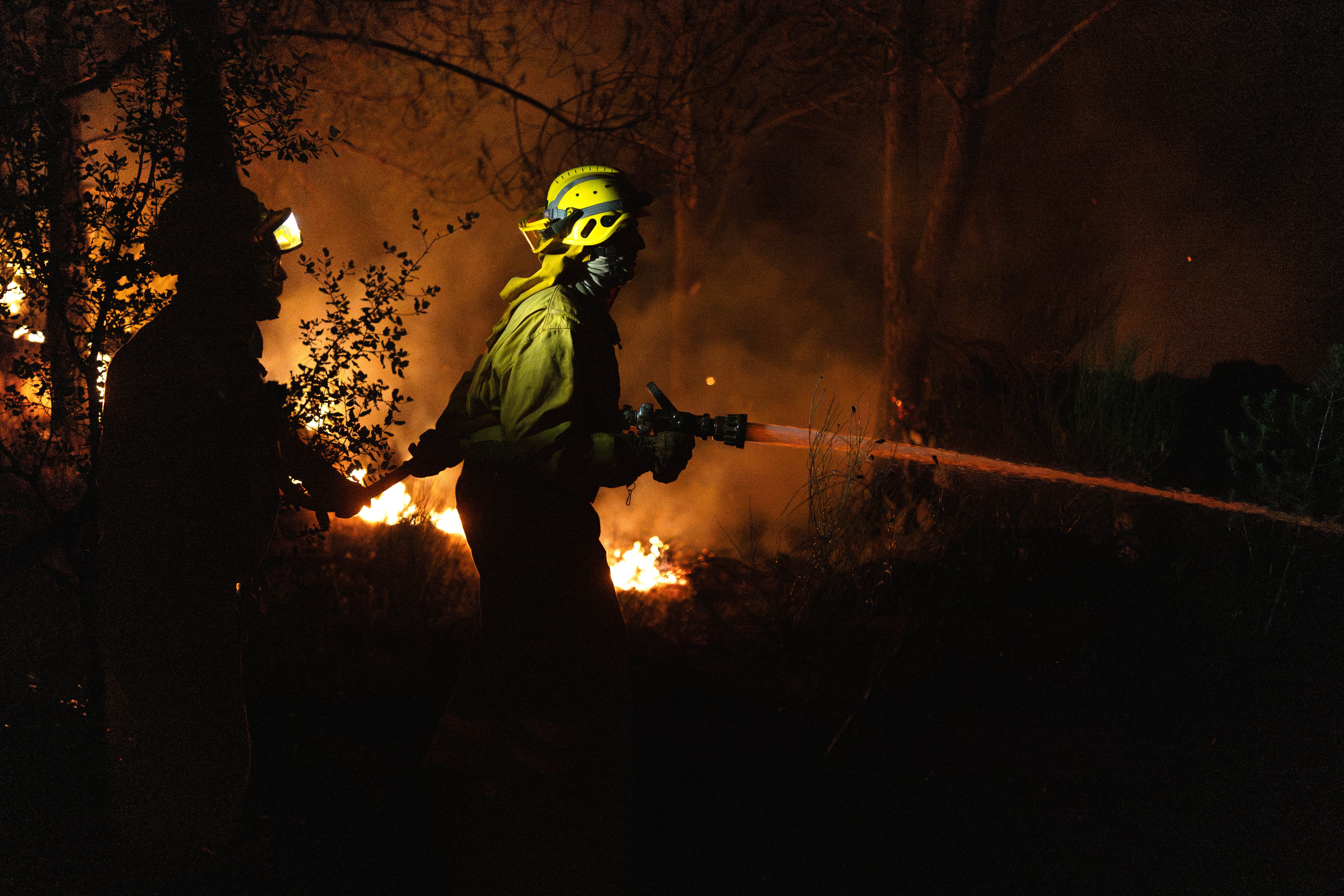
The author argues that societal mobilization often focuses on individual blame rather than collective action towards solutions. This tendency to point fingers at specific individuals or groups distracts from the broader responsibility that everyone shares in addressing issues like fires and other societal problems. The piece suggests that by fixating on who is to blame, people overlook their own roles and contributions to the problems at hand. This approach hinders progress because it prioritizes finding a scapegoat over implementing constructive measures. The core message emphasizes that a shift in focus is needed from assigning blame to acknowledging shared accountability. This collective acknowledgment is presented as a necessary step for effective problem-solving and societal improvement. The author implies that this pattern of behavior is not limited to fires but extends to many other issues facing society. Ultimately, the piece calls for a more proactive and responsible citizenry that recognizes its part in both creating and resolving challenges.
This commentary highlights a common human tendency to externalize blame, particularly in the face of complex, systemic issues like environmental incidents. The framing suggests that societal discourse often prioritizes identifying individual culprits over fostering collective responsibility and action. This dynamic can create a cycle where problems persist because the focus remains on assigning fault rather than on developing and implementing preventative or remedial strategies. In the context of escalating environmental challenges, such as widespread fires, a shift towards shared accountability could unlock more effective, collaborative solutions. This perspective encourages a move beyond reactive finger-pointing towards a proactive, systems-thinking approach that acknowledges the interconnectedness of individual actions and broader societal outcomes. The next decade will likely see increased pressure on governance structures to facilitate such collective action, especially as the impacts of climate change and resource management become more pronounced.
AI-generated to prompt reflection — not editorial opinion, not advice, not a statement of fact. How this works.