Sharing a Bed with Pets: Benefits and Considerations for Sleep and Well-being
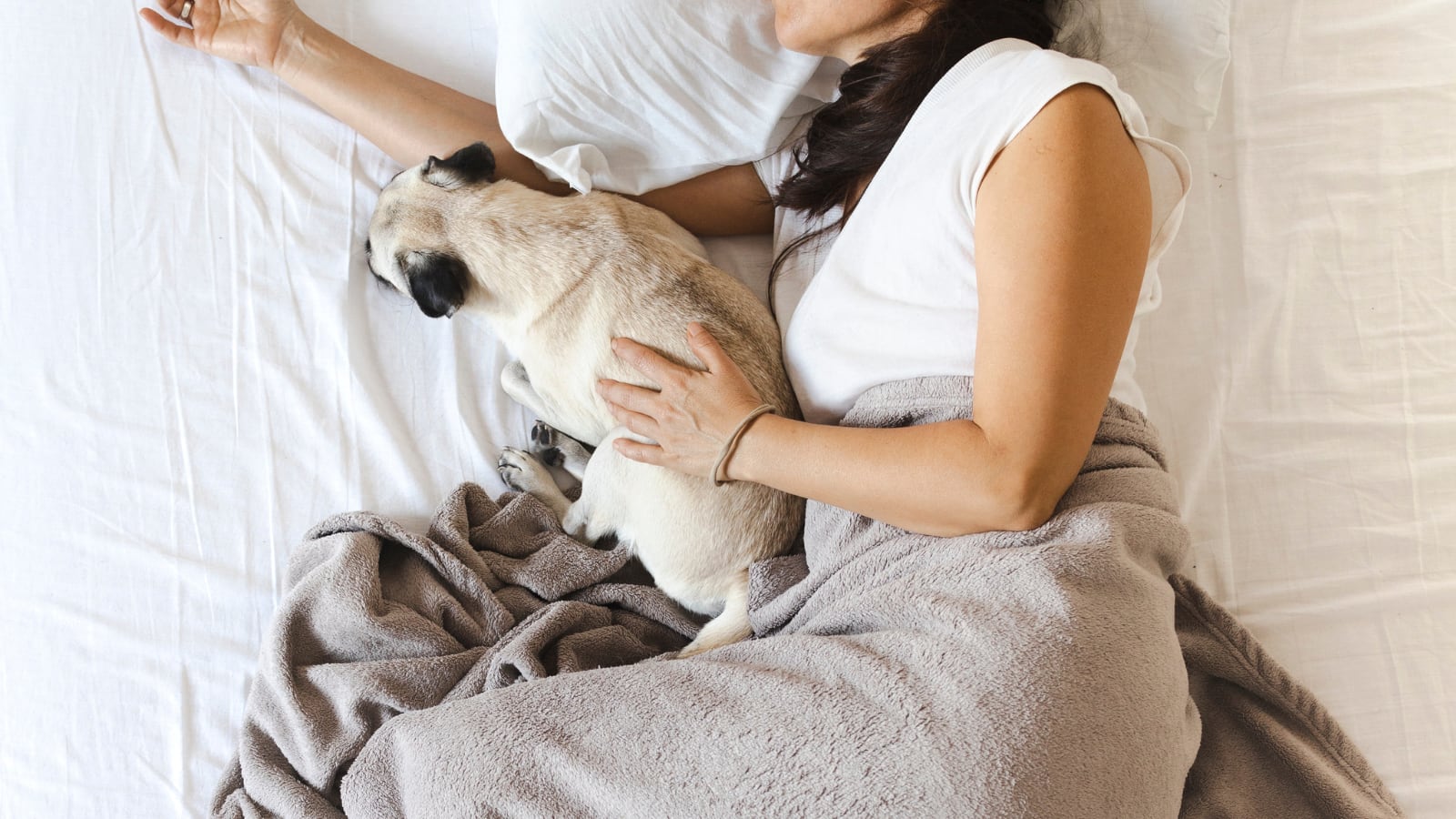
For many, the day ends best when snuggled up with their pets, who have become inseparable companions, even during sleep. This common practice raises questions about its impact on human rest and the welfare of the animals themselves. Specialists have been consulted to explore how this co-sleeping habit affects both people and their furry friends. The discussion delves into the potential benefits, such as increased feelings of comfort and security for owners, and the emotional bond strengthened by this closeness. Simultaneously, the conversation addresses the potential drawbacks, including disruptions to sleep patterns caused by pets moving or making noise. The well-being of the pets is also a key consideration, with experts examining whether they are comfortable and secure in the shared sleeping arrangement. The aim is to provide a balanced perspective on whether sleeping with pets is a positive habit or if separate sleeping arrangements might be more beneficial for all involved. Understanding these dynamics can help pet owners make informed decisions about their sleeping routines.
The practice of co-sleeping with pets highlights a growing human-animal bond, reflecting evolving societal norms around pet integration into domestic life. From a human perspective, shared sleeping can offer psychological benefits like reduced stress and enhanced feelings of security, potentially improving sleep quality for some individuals. However, for others, pet movement, allergies, or differing sleep schedules can lead to fragmented sleep and reduced restfulness. For pets, while some may thrive on the closeness, others might experience anxiety or behavioral issues if their individual needs for space or routine are not met. Future considerations should involve developing best practices that balance human comfort and sleep hygiene with the distinct physiological and psychological needs of animals, ensuring mutual well-being in shared living spaces.
AI-generated to prompt reflection — not editorial opinion, not advice, not a statement of fact. How this works.