Sheikh Hamad bin Khalifa Al Thani, Former Emir of Qatar and Architect of Modern State, Dies at 74
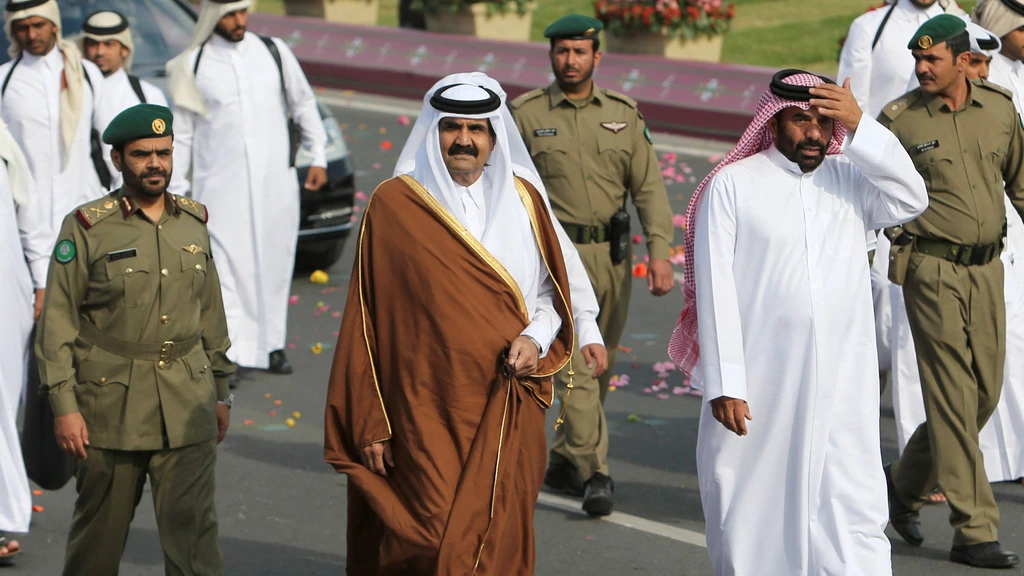
Sheikh Hamad bin Khalifa Al Thani, the former Emir of Qatar and widely credited as the architect of the nation's transformation into a wealthy global player, has passed away at the age of 74. He ruled Qatar from 1995 to 2013, overseeing significant economic, social, and cultural reforms that shaped the country's current international standing. During his reign, Qatar emerged as a key diplomatic, media, and investment hub, notably acquiring the luxury department store Harrods, establishing the major international airline Qatar Airways, and founding the influential news network Al Jazeera.
Sheikh Hamad's tenure also saw important political developments, including a constitutional amendment in 2004 that introduced municipal council elections, allowing women to vote and stand for office. In a move that broke with Gulf tradition, he abdicated in 2013 in favor of his son, Sheikh Tamim bin Hamad Al Thani, a decision seen as a preemptive measure against calls for reform echoing the Arab Spring. Qatar, under his leadership, also supported pro-democracy protests in the region. His legacy includes efforts to gain international prestige through sports, culminating in Qatar hosting the 2022 FIFA World Cup, though this was accompanied by allegations of bribery.
His foreign policy initiatives included opening a Taliban office in Qatar, facilitating talks between the US and Afghanistan, and attempting to persuade Syrian dictator Assad to step down. Sheikh Hamad was also a strong advocate for the Palestinian cause, visiting Gaza in 2012 and receiving honors with cities named after him in Gaza and South Lebanon. Despite his achievements, his leadership also drew international criticism due to Qatar's ties with Iran, Hamas, and the Muslim Brotherhood, as well as Al Jazeera's reporting.
The passing of Sheikh Hamad bin Khalifa Al Thani marks the end of an era for Qatar, a nation that dramatically reshaped its global influence and economic standing under his 18-year rule. His strategic vision leveraged the country's natural resources to foster diversification, investing heavily in media, sports, and international diplomacy, thereby projecting Qatari soft power globally. However, this rise was not without controversy, as the state's foreign policy and media operations, particularly Al Jazeera, faced scrutiny for perceived biases and regional entanglements. The transition of power to his son in 2013, a deliberate act of succession rather than abdication due to infirmity or deposition, signaled a potential modernization of governance structures within the Gulf monarchy, aiming to preempt internal dissent and align with evolving regional dynamics. Looking ahead, the long-term impact of his foundational policies on Qatar's geopolitical positioning and economic resilience in an increasingly complex global landscape, particularly concerning energy transitions and international relations, will continue to be a subject of analysis.
AI-generated to prompt reflection — not editorial opinion, not advice, not a statement of fact. How this works.