Shenzhen Heightens Security Ahead of Apec Summit with Subway Scans and Drone Ban
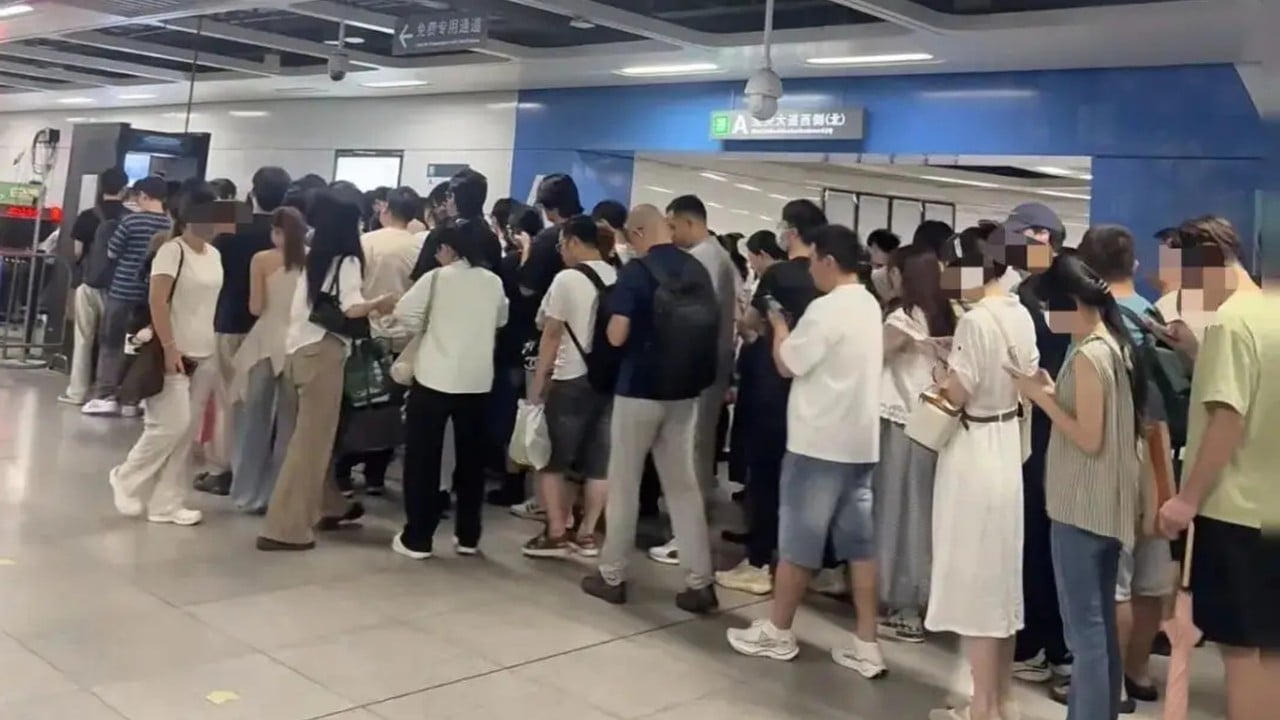
As the Apec Economic Leaders’ Meeting approaches in November, the southern Chinese city of Shenzhen is implementing significant security measures. The local government announced on Sunday that subway passengers will undergo scanning and their carry-on items will be X-rayed to ensure travel safety. In addition to previously prohibited items like explosives, the city is also banning travelers from carrying perfume on the subway. Furthermore, a no-fly zone has been established for drones. These measures are being put in place well in advance of the summit, indicating a proactive approach to maintaining order and security.
The extensive security measures in Shenzhen, including enhanced subway screening and a drone no-fly zone, reflect a common strategy employed by host nations to ensure the safety and smooth execution of major international summits like Apec. Such pre-emptive actions, while aimed at mitigating potential risks, can also signal a broader trend towards increased state surveillance and control in public spaces. The focus on physical security, such as scanning carry-on items and restricting drone operations, highlights the evolving challenges of managing public order in the face of both conventional and emerging threats. This approach may be viewed as a necessary trade-off for hosting high-profile events, but it also raises questions about the balance between security imperatives and civil liberties, particularly as such practices could become normalized in anticipation of future events.
AI-generated to prompt reflection — not editorial opinion, not advice, not a statement of fact. How this works.