Shenzhen Unveils Ambitious New Natural History Museum
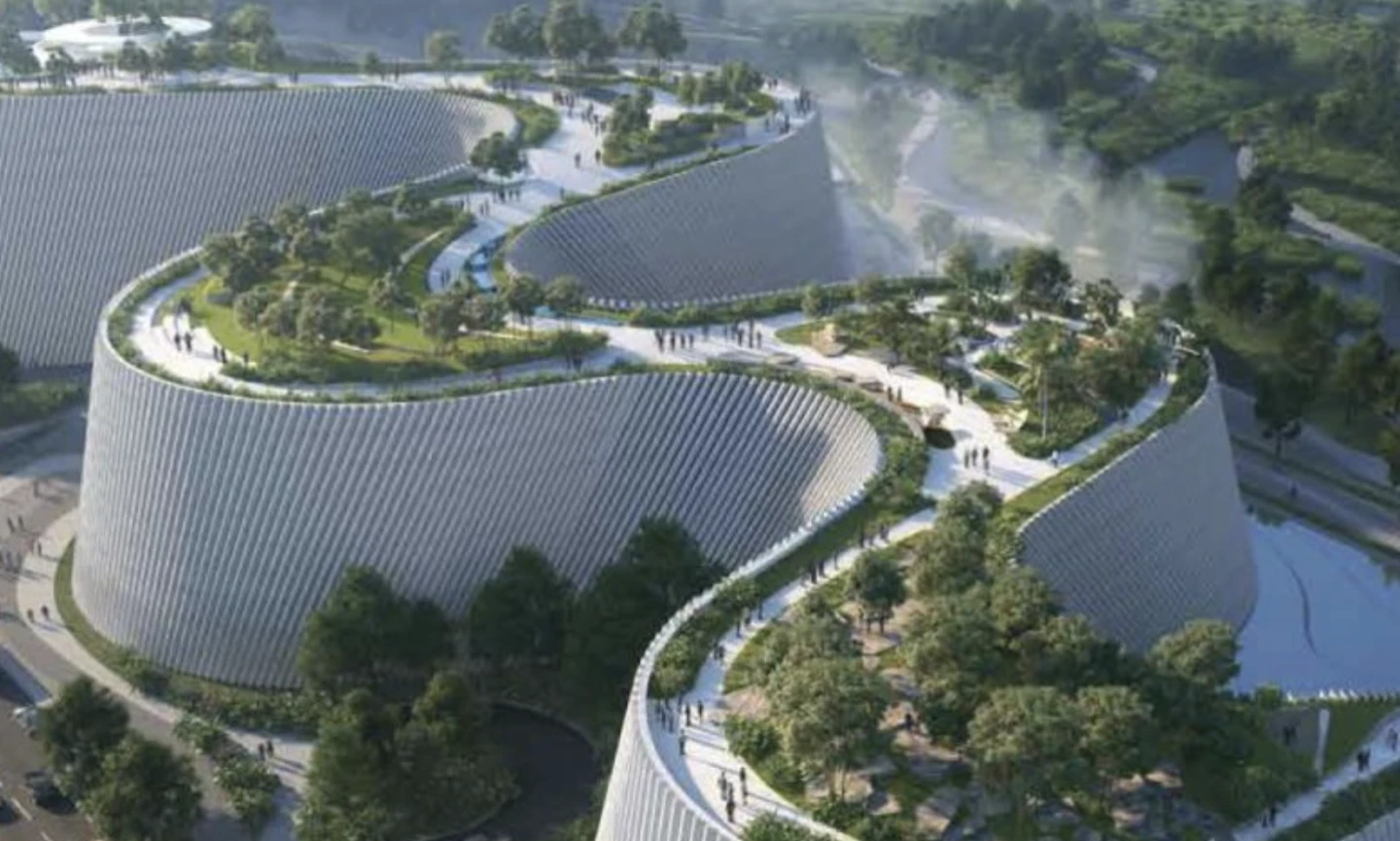
Shenzhen, a major hub for robotics and AI in China, has opened a striking new natural history museum, marking another significant architectural achievement for the city. The project, developed over four years, is described as one of the city's most impressive architectural endeavors to date. This museum adds to Shenzhen's growing reputation for cutting-edge design and large-scale urban development. The museum's focus is expected to encompass various scientific disciplines, potentially including animal science and astronomy, aligning with the city's innovative spirit. Its opening signifies a commitment to cultural and scientific enrichment within one of China's most dynamic metropolitan areas. The architectural firm 3XN is credited with the design, suggesting a blend of modern aesthetics with functional museum space. This development underscores Shenzhen's ambition to be a global leader not only in technology but also in cultural infrastructure.
The opening of this natural history museum in Shenzhen highlights a strategic investment by Chinese cities in cultural and scientific infrastructure, aiming to enhance global prestige alongside technological advancement. This initiative reflects a broader trend where major urban centers leverage ambitious architectural projects to attract talent, tourism, and international recognition. The museum's focus on natural history and sciences, combined with Shenzhen's identity as an AI and robotics epicenter, suggests an effort to bridge traditional scientific inquiry with future-oriented technological fields. This approach could foster interdisciplinary innovation, positioning Shenzhen as a nexus for both foundational knowledge and its application in emerging technologies. The development also speaks to the evolving role of museums in the 21st century, moving beyond static displays to become dynamic centers for education and public engagement in an era increasingly shaped by scientific and technological progress.
AI-generated to prompt reflection — not editorial opinion, not advice, not a statement of fact. How this works.