Shifting to Plant-Based Diets: Study Explores Agricultural Transformation
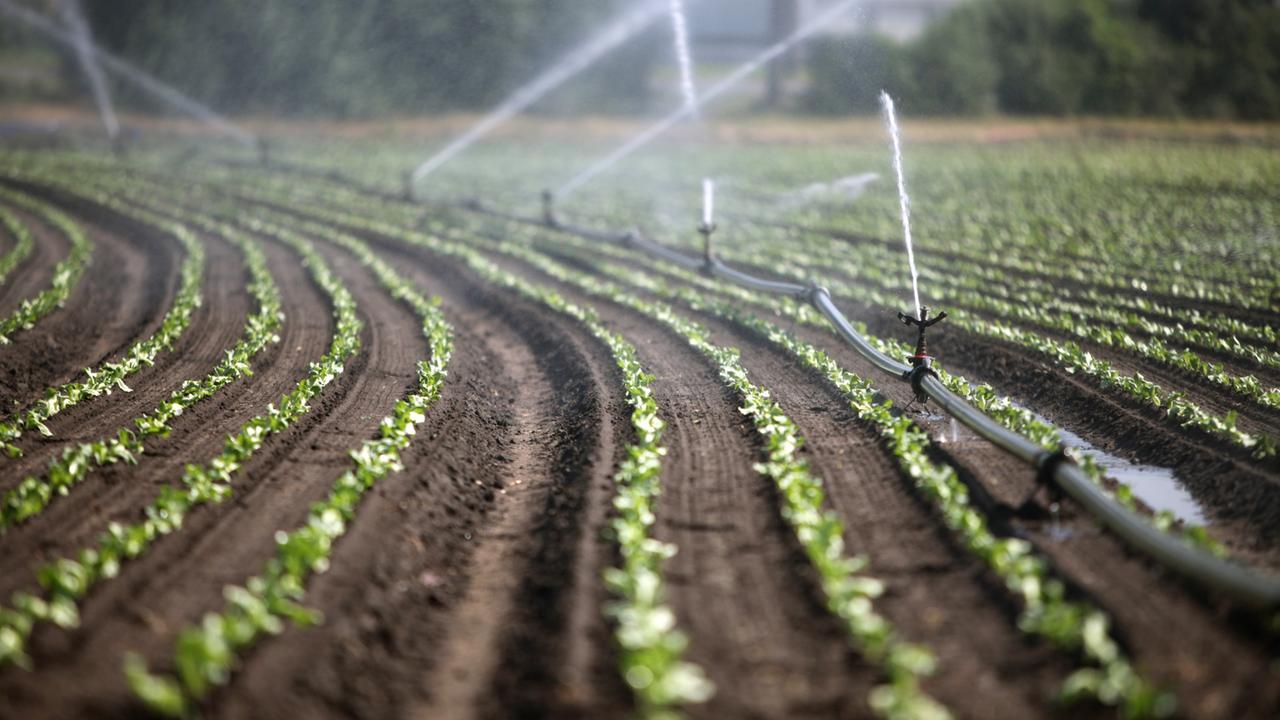
A recent study has investigated the potential impact of a global transition to healthier, more sustainable diets, specifically focusing on increased vegetable consumption over meat. The current food system is recognized as a significant burden on the climate, environment, and public health. Researchers aimed to understand the profound changes such a dietary shift would necessitate within the agricultural sector worldwide. The study, authored by Asya Fröhlich, delves into the complex interdependencies between food choices and agricultural practices. It likely examines how reduced demand for meat products could reshape land use, resource allocation, and farming methods. Conversely, an increased demand for vegetables and plant-based alternatives would require significant adjustments in cultivation, supply chains, and potentially lead to new agricultural innovations. The findings are expected to provide insights into the challenges and opportunities associated with realigning global agriculture with sustainability and health goals. This research underscores the critical role of dietary patterns in addressing broader environmental and health crises.
The study's premise highlights a critical nexus between global dietary habits and the sustainability of agricultural systems. A widespread shift towards plant-based diets, driven by environmental and health concerns, would likely trigger substantial economic and structural adjustments in agriculture. This could involve a reallocation of resources away from traditional livestock farming towards crop production, potentially impacting rural economies and global food supply chains. Examining these dynamics through the lens of incentive structures and market forces is crucial. Policymakers and agricultural stakeholders may need to consider strategies for managing this transition to ensure food security, support affected communities, and foster innovation in sustainable farming practices. The long-term implications for land use, biodiversity, and water resources warrant careful consideration as societies increasingly grapple with the environmental footprint of food production.
AI-generated to prompt reflection — not editorial opinion, not advice, not a statement of fact. How this works.