Shinde Mocks Uddhav's 'Ram Raksha' Over Ayodhya Temple Donation Dispute
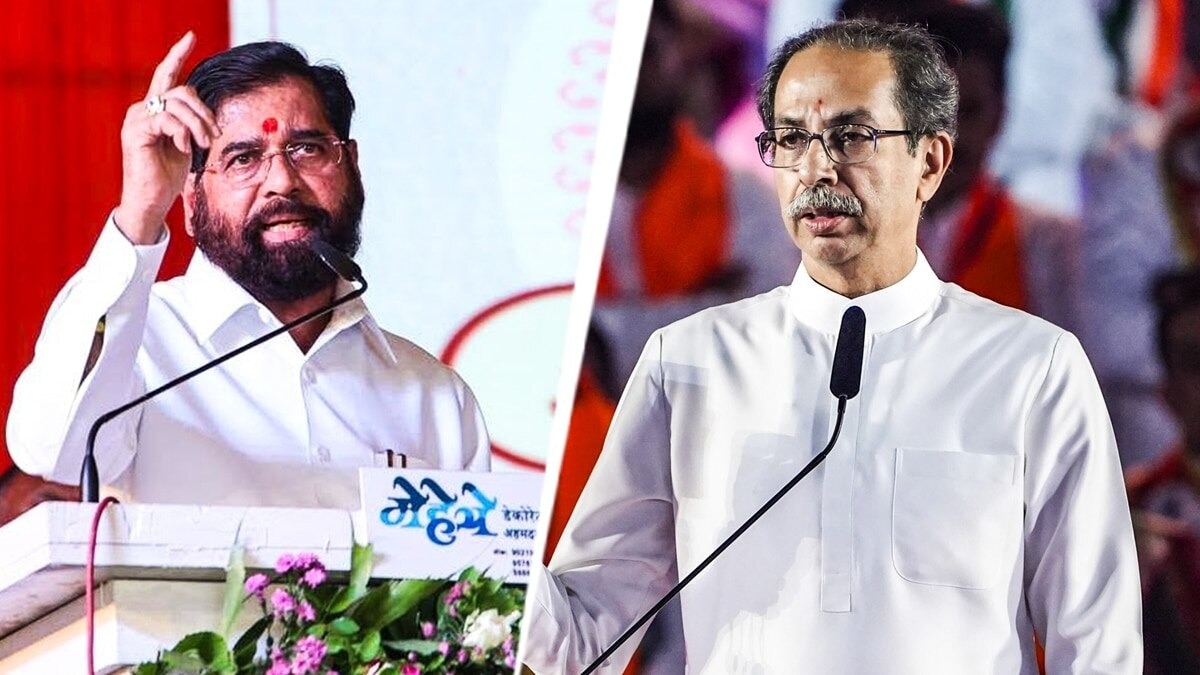
Maharashtra's political landscape has become heated due to the Ayodhya Ram Mandir donation controversy. Following the announcement of the 'Ram Raksha' movement, Chief Minister Eknath Shinde accused former Chief Minister Uddhav Thackeray of abandoning Hindutva and using Lord Ram's name for political gain. Shinde asserted that Hindutva is not a cloak of political convenience. The dispute centers on allegations that Thackeray's Shiv Sena party is using the Ram Mandir donations for political purposes, a claim Shinde and his faction strongly refute. Shinde's remarks suggest a deepening rift between the two Shiv Sena factions, highlighting ideological differences over the core tenets of Hindutva and its application in contemporary politics. The political maneuvering indicates that the Ram Mandir issue continues to be a significant factor in Maharashtra's political discourse, with leaders from both sides seeking to claim ownership of the Hindutva narrative.
This political exchange highlights the strategic use of religious and cultural symbols in Indian politics. The dispute over the Ayodhya Ram Mandir donations and the associated 'Ram Raksha' movement reflects a broader competition between political factions to claim authentic representation of Hindutva ideology. The differing interpretations and accusations suggest a tension between genuine religious devotion and its instrumentalization for electoral advantage. As political parties increasingly leverage religious sentiment, the challenge lies in discerning authentic commitment from strategic positioning, particularly within the evolving landscape of Indian secularism and national identity. The long-term implications may involve a further polarization of the electorate along ideological lines, potentially impacting governance and social cohesion.
AI-generated to prompt reflection — not editorial opinion, not advice, not a statement of fact. How this works.