Shingles Vaccine May Offer Protection Against Dementia
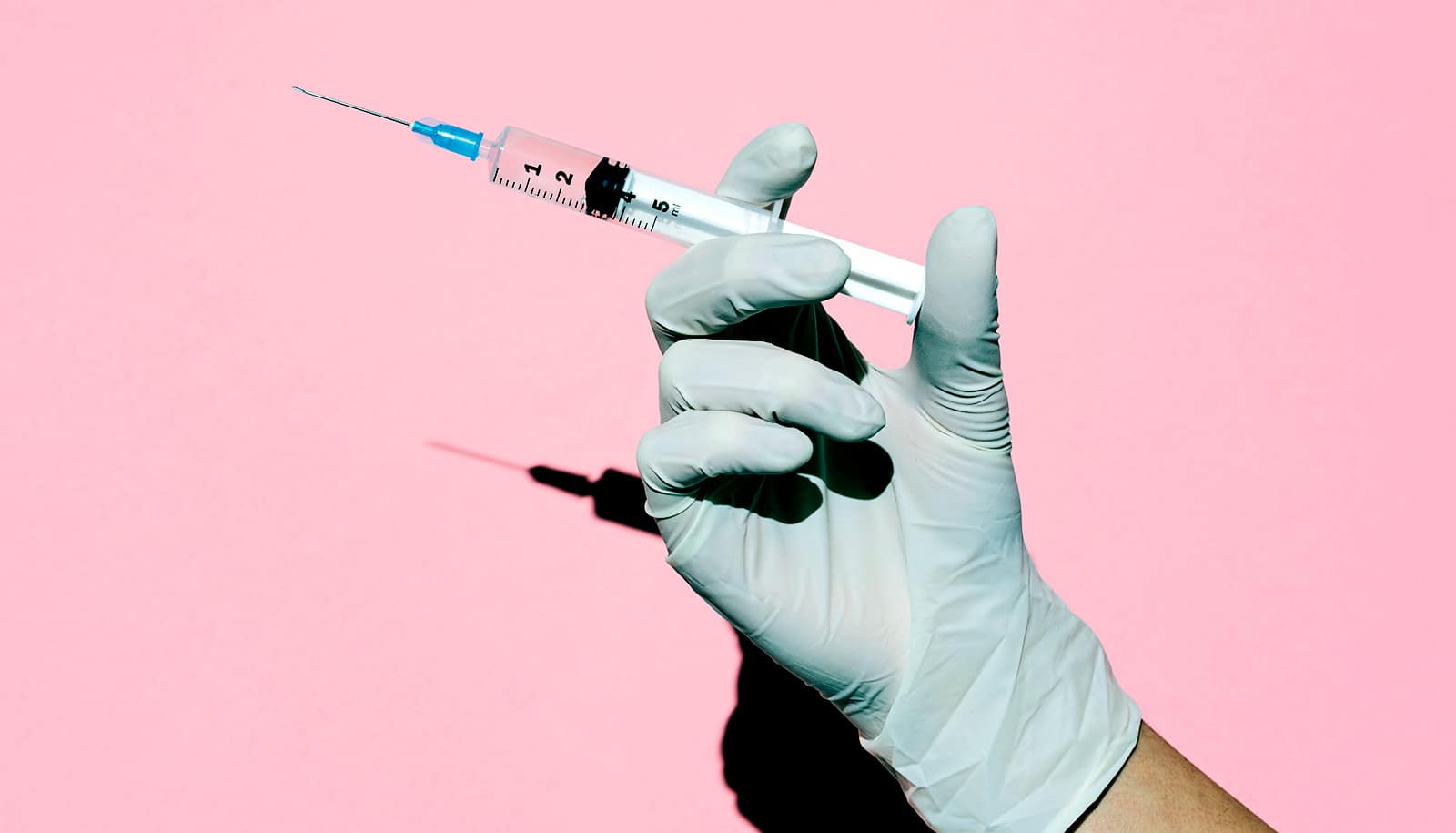
Recent research suggests that the shingles vaccine, known for its effectiveness in preventing shingles, may also offer neuroprotective benefits. These potential benefits extend to a possible reduction in the risk of developing dementia. While the primary purpose of the vaccine is to combat the varicella-zoster virus, which causes shingles, emerging evidence indicates a broader impact on neurological health. The findings propose that the vaccine could play a role in safeguarding cognitive function over time. Further investigation is warranted to fully understand the mechanisms behind this observed association and to confirm its efficacy in dementia prevention. This could represent a significant public health advancement, offering a dual benefit of preventing a painful viral infection and potentially mitigating the risk of a debilitating neurological condition.
The potential neuroprotective effects of the shingles vaccine, if substantiated, could represent a significant shift in public health strategy. Beyond its established efficacy against shingles, the vaccine might offer a novel, accessible intervention for mitigating dementia risk. This aligns with a broader trend of exploring existing medical interventions for repurposed benefits, driven by advancements in understanding disease pathways. Future research should focus on elucidating the biological mechanisms, such as immune modulation or direct antiviral effects on neural tissue, that could underpin this association. Evaluating the cost-effectiveness and scalability of such a preventative measure will be crucial for widespread adoption, particularly in the context of aging global populations and the increasing burden of neurodegenerative diseases.
AI-generated to prompt reflection — not editorial opinion, not advice, not a statement of fact. How this works.