Shipping Companies Criticize Trump's Proposed Hormuz Strait Fee
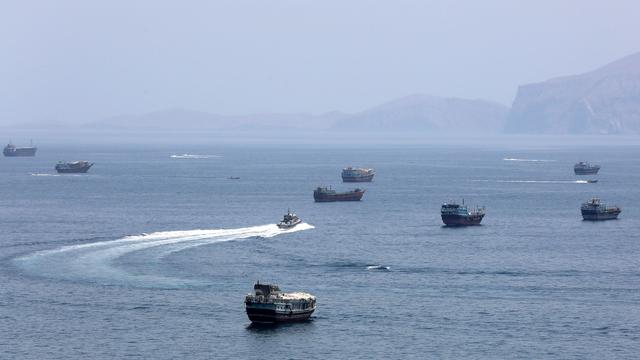
International shipping companies have voiced strong criticism regarding former U.S. President Donald Trump's suggestion to impose a "protection fee" on vessels transiting the Strait of Hormuz. The proposal, aimed at ensuring safe passage through the vital waterway, has been met with significant opposition from the maritime industry. Shipowners argue that such a fee would not only be an unfair burden but could also destabilize regional shipping routes. They emphasize that the responsibility for maintaining freedom of navigation in international waters lies with global maritime authorities and naval forces, not with individual shipping companies paying a levy. The Strait of Hormuz is a critical chokepoint for global oil supply, and any disruption or increased cost associated with its passage has far-reaching economic implications. Industry representatives have called for diplomatic solutions and international cooperation to ensure security, rather than unilateral financial impositions. They fear that such a fee could set a dangerous precedent for other strategic waterways worldwide. The debate highlights the complex geopolitical and economic challenges surrounding maritime security in the Middle East.
The proposal for a "protection fee" in the Strait of Hormuz, while seemingly aimed at enhancing security, introduces complex economic and geopolitical considerations. From a market dynamics perspective, imposing such a fee could be viewed as an externalization of security costs onto private entities, potentially distorting trade flows and increasing operational expenses for shipping firms. This could lead to higher consumer prices for goods reliant on Middle Eastern oil and gas. Furthermore, the concept of a unilateral fee raises questions about international maritime law and the established frameworks for ensuring freedom of navigation. It may also incentivize other regions facing similar security challenges to adopt similar fee structures, creating a fragmented and potentially more costly global shipping environment. The long-term implications involve balancing national security interests with the principles of open trade and the established international order.
AI-generated to prompt reflection — not editorial opinion, not advice, not a statement of fact. How this works.