Shipping Industry Faces Worst Case Scenario Amid US-Iran Escalation
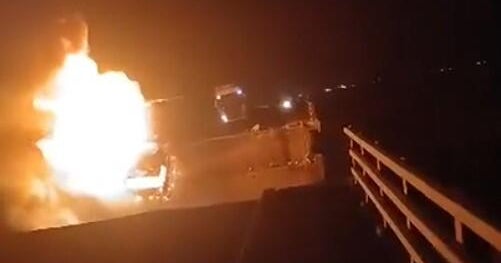
The shipping industry is facing a "worst case scenario" as tensions escalate between the U.S. and Iran, 140 days into the ongoing conflict. An industry analyst has reported that shipping companies are now unwilling to transit through the critical Strait of Hormuz due to the heightened risks. This situation is creating significant disruptions and potential economic fallout for global trade routes that rely on this vital waterway. The increased attacks by both the U.S. and Iran have made passage through the strait exceptionally perilous. This reluctance to navigate the strait poses a severe challenge to the smooth flow of goods and energy supplies. The implications extend beyond immediate shipping concerns, potentially impacting global supply chains and energy prices. The analyst's statement highlights the severity of the current geopolitical climate on international commerce.
The escalating conflict between the U.S. and Iran, impacting maritime transit through the Strait of Hormuz, presents a stark illustration of geopolitical instability's direct influence on global supply chains. This situation underscores the inherent vulnerability of critical chokepoints in international trade, where regional tensions can rapidly translate into significant economic disruption. The reluctance of shipping companies to traverse the strait, driven by security concerns, highlights the market's sensitivity to risk and the potential for increased operational costs and insurance premiums. Looking ahead, such events may accelerate investments in alternative trade routes or enhanced security measures, reflecting a strategic recalibration in response to persistent geopolitical volatility. The long-term implications could involve a re-evaluation of supply chain resilience and the economic viability of transit through high-risk maritime zones.
AI-generated to prompt reflection — not editorial opinion, not advice, not a statement of fact. How this works.