Shizuoka Prefecture Approves Chuo Shinkansen Construction, Eliciting Both Cheers and Lingering Concerns
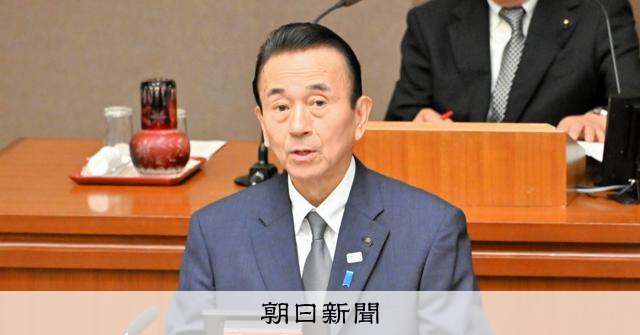
Shizuoka Prefecture has officially given the green light for the commencement of construction on the Chuo Shinkansen maglev line. This decision follows extensive discussions and addresses concerns previously raised by the prefecture regarding the project's environmental impact. The approval signifies a major step forward for the high-speed rail project, which aims to significantly reduce travel times between Tokyo and Nagoya. While many along the proposed route have expressed enthusiasm for the potential economic benefits and improved connectivity, some voices of apprehension remain. These concerns primarily revolve around the potential effects on local water resources and the delicate ecosystems of the Southern Japanese Alps. The prefecture has stated that its approval is contingent upon the implementation of specific measures to mitigate these environmental risks. The project's developers have assured that they will adhere to strict environmental standards and work closely with local authorities to monitor and manage any potential issues. The timeline for the full completion of the Chuo Shinkansen line remains subject to ongoing planning and construction phases.
The approval of the Chuo Shinkansen construction by Shizuoka Prefecture represents a critical juncture, balancing national infrastructure ambitions with regional environmental stewardship. The prefecture's conditional consent highlights the growing imperative for large-scale development projects to integrate robust environmental impact assessments and mitigation strategies from the outset. This case underscores a broader trend where local governance increasingly acts as a crucial gatekeeper, demanding accountability from national projects that traverse diverse ecological zones. Looking ahead, the successful navigation of these environmental challenges will set a precedent for future infrastructure development in Japan and globally, particularly as climate change necessitates more sustainable engineering practices. The long-term viability of such projects will depend not only on technological prowess but also on maintaining public trust through transparent environmental management and equitable benefit sharing.
AI-generated to prompt reflection — not editorial opinion, not advice, not a statement of fact. How this works.