Shokonsai Festival Honors Ancestors at Brazil's Sole Japanese Historical Cemetery
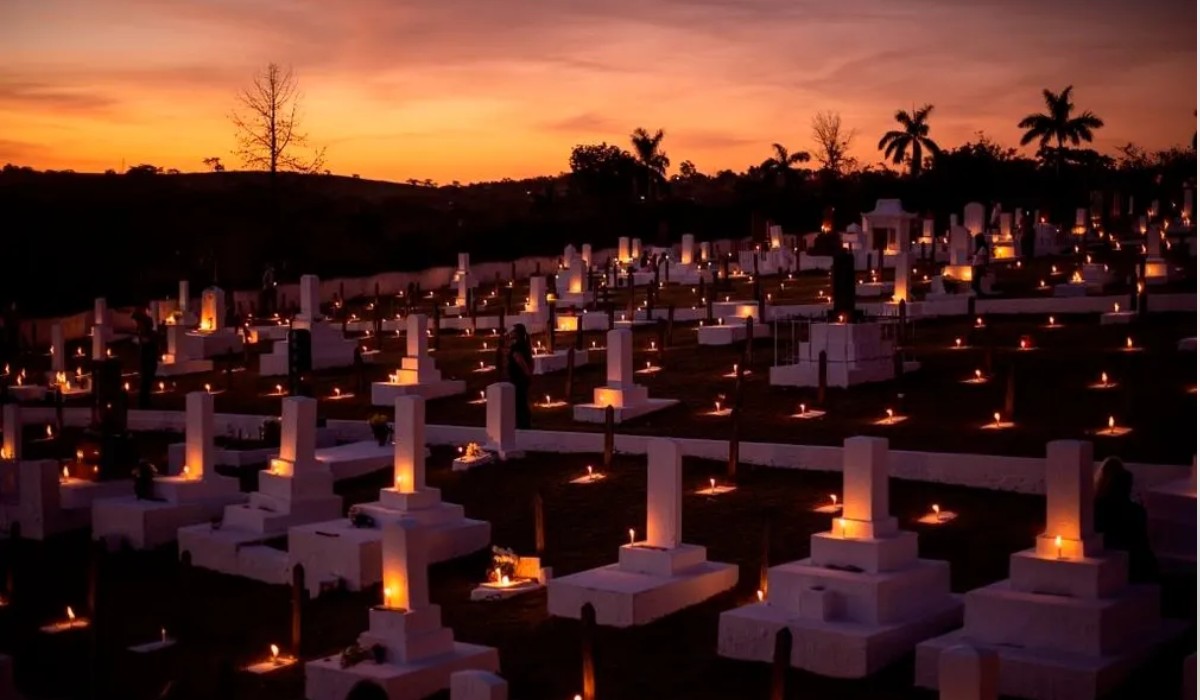
The Shokonsai festival, a century-old tradition honoring ancestors, is set to hold its 106th edition from July 10th to 12th in Álvares Machado, São Paulo. This event takes place at the unique Japanese Historical Cemetery in Brazil, a site recognized by the state's heritage council (Condephaat). The festival is expected to draw over 7,000 visitors, serving as a significant intergenerational gathering that blends spirituality, cultural expressions, and family connections.
The tradition began in 1920 when Japanese immigrant families sought to honor their deceased relatives, inspired by Japan's Obon festival. Prior to this, the nearest cemetery was a considerable distance away, requiring bodies to be transported on foot. The establishment of the Álvares Machado cemetery was facilitated by pioneer Naoe Ogassawara, following increased mortality from yellow fever and other diseases within the Japanese community. The first burial occurred on November 19, 1919, and the commemorative ceremony was named Shokonsai, meaning "invitation to souls," a year later.
The 106th Shokonsai will feature a diverse program including food stalls, Taikô drumming, traditional dances, a performance by singer Joe Hirata, Bon Odori, karaoke, a Buddhist ceremony, and the signature Candle Ritual. A new bridge over a canal leading to the lake at Parque das Cerejeiras Naoe Ogassawara will be inaugurated, improving visitor access. Over 200 volunteers contribute to the event's organization, with preparations commencing three months prior. Alberto Yukio Nakada, vice-president of the Japanese Association, emphasized the festival's role in expressing gratitude to the pioneers and connecting younger generations with the history of Japanese immigration to Brazil. The Candle Ritual, where numerous candles are lit on graves, is particularly moving, symbolizing a moment of profound peace and remembrance.
The Shokonsai festival exemplifies the enduring power of cultural heritage and community memory, particularly for immigrant populations. Its longevity, spanning over a century, highlights the deep-seated human need to connect with ancestral roots and acknowledge historical contributions. The event's evolution from a local necessity to a recognized cultural patrimony demonstrates how traditions can adapt and thrive while maintaining their core spiritual and commemorative functions. As demographic shifts and modernization continue, such festivals play a crucial role in intergenerational knowledge transfer, ensuring that the sacrifices and legacies of past generations are not forgotten, thereby reinforcing social cohesion and cultural identity for descendants in a new land.
AI-generated to prompt reflection — not editorial opinion, not advice, not a statement of fact. How this works.