Shoma Uno and Marin Honda Share 'Supportive Techniques' During Public Practice
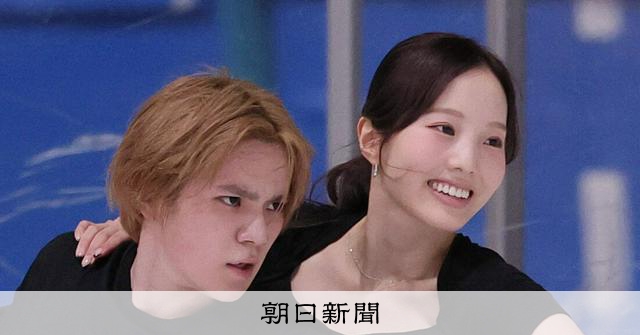
Japanese figure skaters Shoma Uno and Marin Honda recently participated in a public practice session where they revealed techniques they developed together to support each other. The session provided a glimpse into their training regimen and the collaborative nature of their preparation. Uno, a prominent figure in men's singles skating, and Honda, known for her artistry in women's singles, showcased their synchronized efforts. The specific techniques discussed were designed to provide mutual encouragement and assistance during challenging routines. This public display highlights the camaraderie and shared goals within the elite figure skating community. The event offered fans an opportunity to see their favorite skaters up close and witness their dedication to the sport. Both skaters are preparing for upcoming competitions, and this practice session served as a key part of their final preparations. The collaboration between Uno and Honda underscores the importance of teamwork and mutual support in achieving peak performance in figure skating.
The public demonstration of mutual support techniques between Shoma Uno and Marin Honda offers insight into the psychological and strategic dimensions of elite athletic training. In competitive sports, particularly individual disciplines like figure skating, the development of robust mental fortitude and effective coping mechanisms is paramount. The collaborative creation of 'supportive techniques' suggests a sophisticated approach to performance enhancement, moving beyond purely physical training to address the mental pressures inherent in high-stakes competition. This practice highlights how athletes can leverage peer relationships and shared experience to build resilience and optimize performance, a dynamic that may become increasingly important in the AI era where human-machine collaboration is also evolving. Such initiatives foster a positive training environment and can contribute to sustained success by mitigating performance anxiety and reinforcing confidence.
AI-generated to prompt reflection — not editorial opinion, not advice, not a statement of fact. How this works.