Shortage of Skilled Mechanics Creates Opportunities for Specialists in Brazil
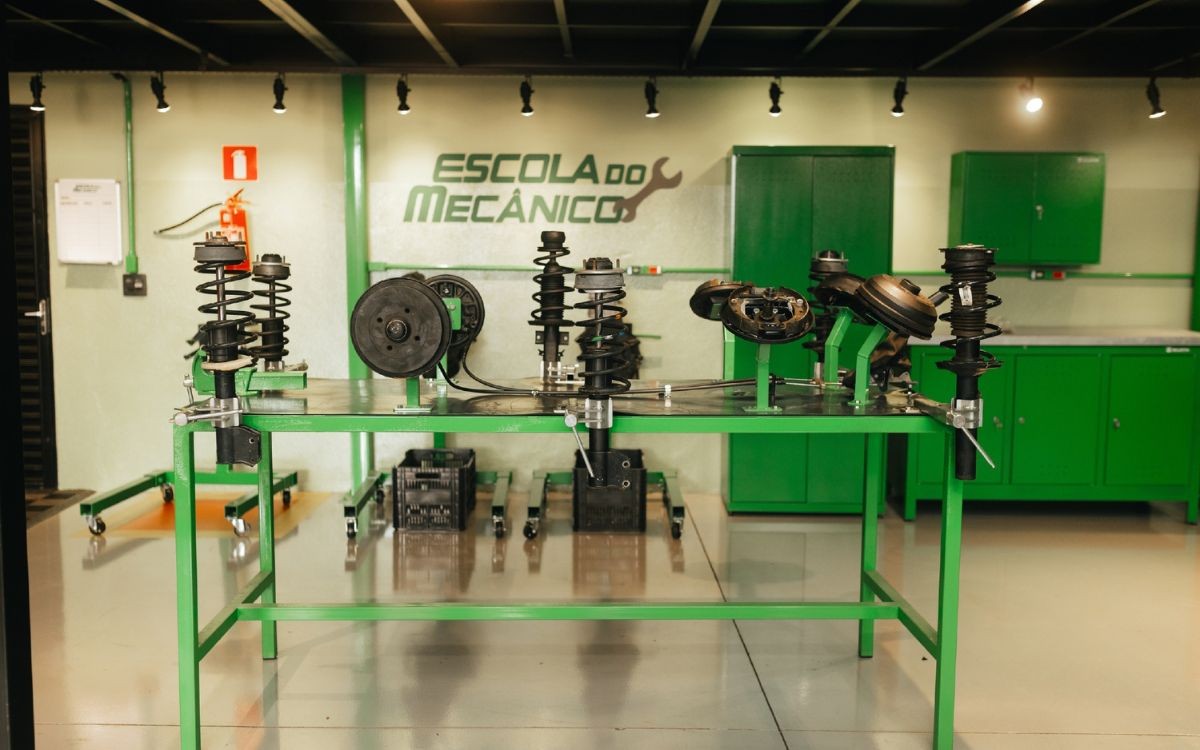
Brazil's automotive market is undergoing rapid technological advancements, with modern vehicles featuring increasingly sophisticated electronic systems. This evolution has created a significant demand for skilled professionals capable of maintaining and repairing these complex machines, leading to a shortage of qualified mechanics across the country. Areas like engine and transmission systems, critical to vehicle operation and complex diagnostics, are particularly affected. Rodrigo Dias, an entrepreneur and experienced mechanic behind Escola do Mecânico Uberaba, notes that modern vehicles have evolved more in recent years than in previous decades, requiring mechanics to understand not only mechanical functions but also electronics, sensors, and advanced diagnostic techniques. He emphasizes that investing in continuous knowledge and skills development is key to standing out in the job market. Specialists highlight that many current workshop issues stem from incorrect fault identification rather than the repair itself, leading to rework, increased costs, and diminished client trust. Joelma Capucci, managing the Escola do Mecânico Uberaba unit, believes practical, hands-on training is crucial for strengthening the sector and creating career paths. Founded in 2011, Escola do Mecânico has trained over 100,000 students nationwide and operates more than 40 units across 12 states, offering courses focused on various automotive mechanics segments. The school emphasizes practical learning in equipped workshops with qualified instructors, recognized certifications, and exposure to current industry technologies. Their "Emprega Mecânico" project aims to connect professionals with companies, boosting employability. A new "Undercar and Revision" course, starting July 29th with 81 hours of instruction, will focus on preventive inspection and periodic vehicle maintenance, further preparing professionals for the evolving automotive landscape.
The Brazilian automotive repair sector faces a persistent challenge: a widening gap between the technological complexity of modern vehicles and the available workforce's skill set. This situation, driven by rapid technological adoption, creates a clear market incentive for specialized training and continuous professional development. While institutions like Escola do Mecânico aim to bridge this gap through practical education, the underlying dynamic suggests a need for systemic solutions. These could involve closer collaboration between vehicle manufacturers, educational bodies, and repair shops to align curricula with emerging technologies and anticipate future skill requirements. Furthermore, the increasing reliance on electronic systems and diagnostics points towards a future where mechanics will need expertise akin to specialized technicians in other high-tech fields, potentially leading to further segmentation and professionalization within the industry.
AI-generated to prompt reflection — not editorial opinion, not advice, not a statement of fact. How this works.