Should a mother take her child to visit her ex-husband's parents after they insulted her?
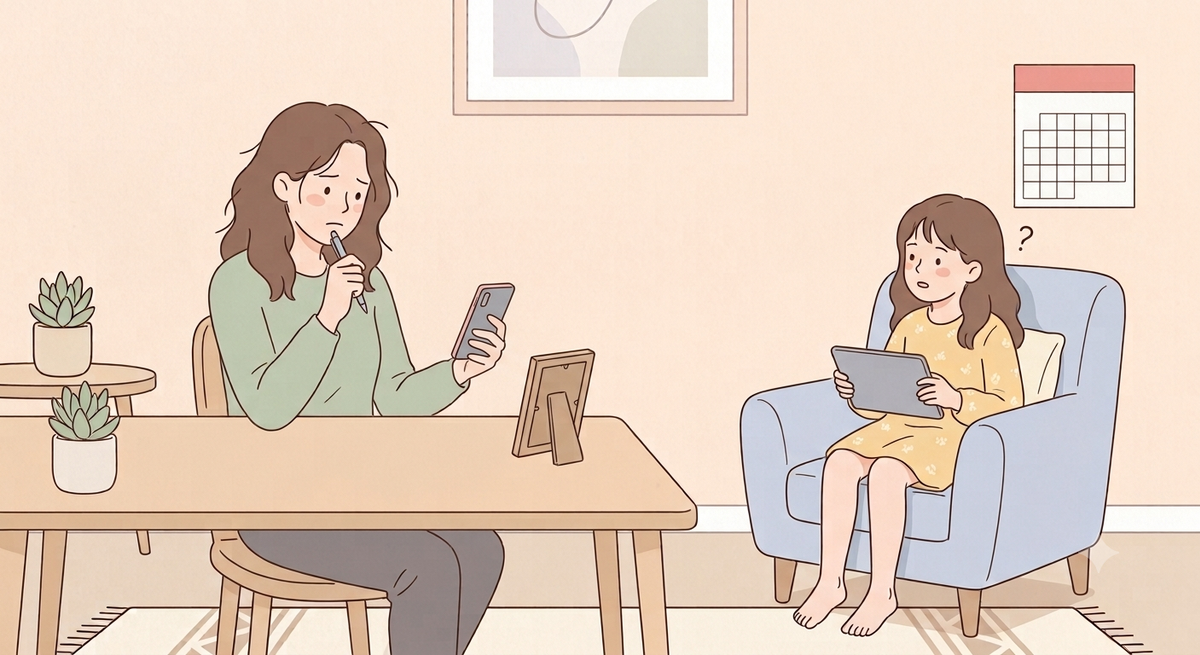
A mother is contemplating whether to allow her child to visit the parents of her ex-husband, despite the fact that they previously insulted her. Her primary concern stems from her love for her child and a fear that the child might feel disadvantaged later in life if they lack a relationship with their paternal grandparents. She is weighing her personal feelings of being insulted against her child's potential future emotional and social needs. The situation highlights a common dilemma faced by divorced parents regarding the extended family relationships of their children. The mother is seeking advice on how to navigate this sensitive issue, balancing her own emotional well-being with her child's desire for connection with their paternal side of the family. The core of the dilemma lies in protecting her child while also managing the complex dynamics of a post-divorce family structure.
This situation presents a complex interplay between parental rights, a child's right to familial connection, and the emotional fallout of marital dissolution. The mother's concern for her child's future social integration is understandable, as extended family relationships can contribute to a child's sense of identity and belonging. However, exposing the child to potentially hostile or disrespectful environments, even if indirectly through the child's interactions, raises questions about the duty of care owed to the child. Future-oriented considerations might involve exploring mediated communication or supervised visits, if deemed appropriate and safe, to facilitate a relationship that prioritizes the child's well-being without compromising the mother's dignity or safety. The long-term impact on the child's understanding of family dynamics and conflict resolution will be shaped by the decisions made now, emphasizing the need for a balanced approach that safeguards all parties involved.
AI-generated to prompt reflection — not editorial opinion, not advice, not a statement of fact. How this works.