Shrimp Studied for Microgravity Diet in Potential Moon Base Food Chain
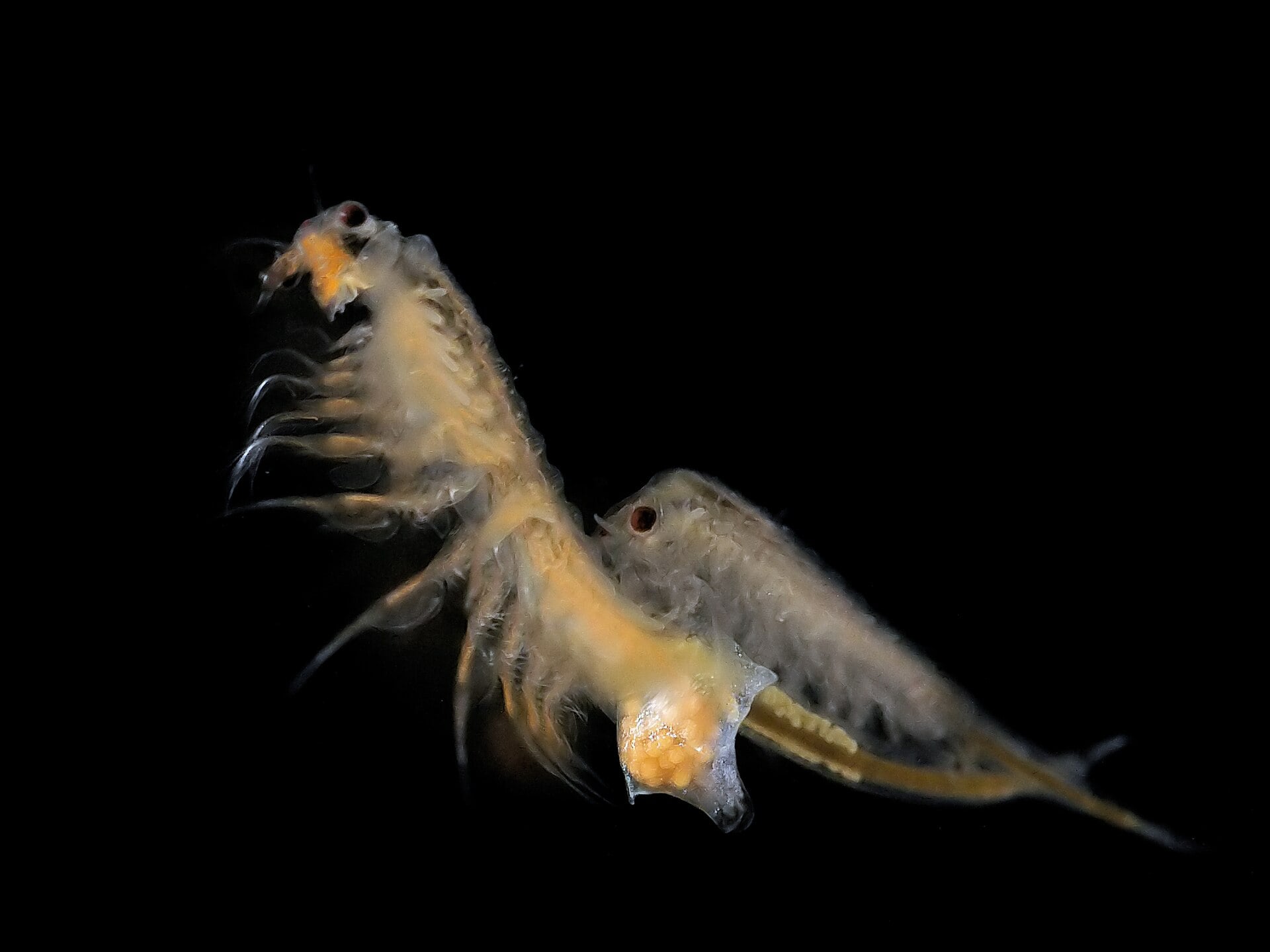
Scientists at Okayama University of Science in Japan are investigating how shrimp might adapt to microgravity conditions, a crucial step for establishing sustainable food sources in future space habitats like Moon bases. The research, published in Microgravity Science and Technology, addresses the lack of naturally occurring food in space, where all provisions must be transported. While seafood is a staple on Earth, its behavior in space's microgravity remains largely unknown. The study employed an innovative method to simulate microgravity, observing the reactions of crustaceans. Findings suggest that shrimp could potentially serve as a viable component of a future extraterrestrial food chain. This exploration is vital for long-term human presence beyond Earth, ensuring food security for astronauts.
This research explores the practical challenges of sustaining human life in off-world environments by examining the adaptability of aquatic life to microgravity. By focusing on shrimp as a potential food source, the study highlights the need for closed-loop life support systems that can incorporate biological components. The investigation into crustacean behavior in simulated space conditions offers insights into the biological engineering required for extraterrestrial agriculture. Future space exploration hinges on developing resilient and efficient food production methods, and this work contributes to understanding the foundational requirements for such systems, considering both resource utilization and ecological integration in novel environments.
AI-generated to prompt reflection — not editorial opinion, not advice, not a statement of fact. How this works.