Shrinking Moon Poses New Risks for Astronauts
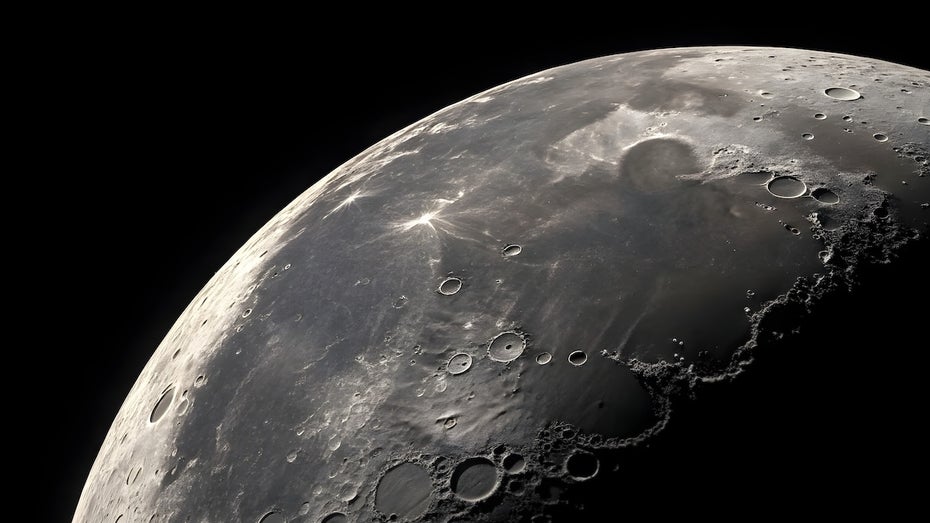
As NASA's Artemis missions prepare to return humans to the Moon after a 50-year hiatus, a previously underestimated danger has emerged: moonquakes. These seismic events are triggered, in part, by the Moon's gradual shrinking. This phenomenon, driven by the cooling and contraction of the lunar core, can lead to significant geological instability. The quakes can range in intensity, and their occurrence poses a considerable risk to surface operations and habitat integrity for future astronauts. Understanding the frequency and magnitude of these moonquakes is now a critical factor in mission planning and astronaut safety. The Artemis program aims to establish a long-term human presence on the Moon, making the geological stability of the landing sites a paramount concern. Further research into the Moon's internal processes is essential to mitigate these risks.
The Moon's ongoing contraction and resultant seismic activity present a novel engineering and safety challenge for long-duration lunar missions. While previous lunar landings were brief, sustained human presence necessitates robust infrastructure capable of withstanding geological stresses. This phenomenon highlights the importance of comprehensive geophysical surveying and real-time monitoring systems to ensure astronaut safety and mission success. Future lunar base designs must incorporate resilience against seismic events, potentially influencing site selection and construction methodologies. The interplay between internal planetary cooling and surface stability is a fundamental consideration for all celestial bodies targeted for human exploration.
AI-generated to prompt reflection — not editorial opinion, not advice, not a statement of fact. How this works.