Sicoob Credisul's Blood Drive Boosts Donations Through Cooperative Spirit
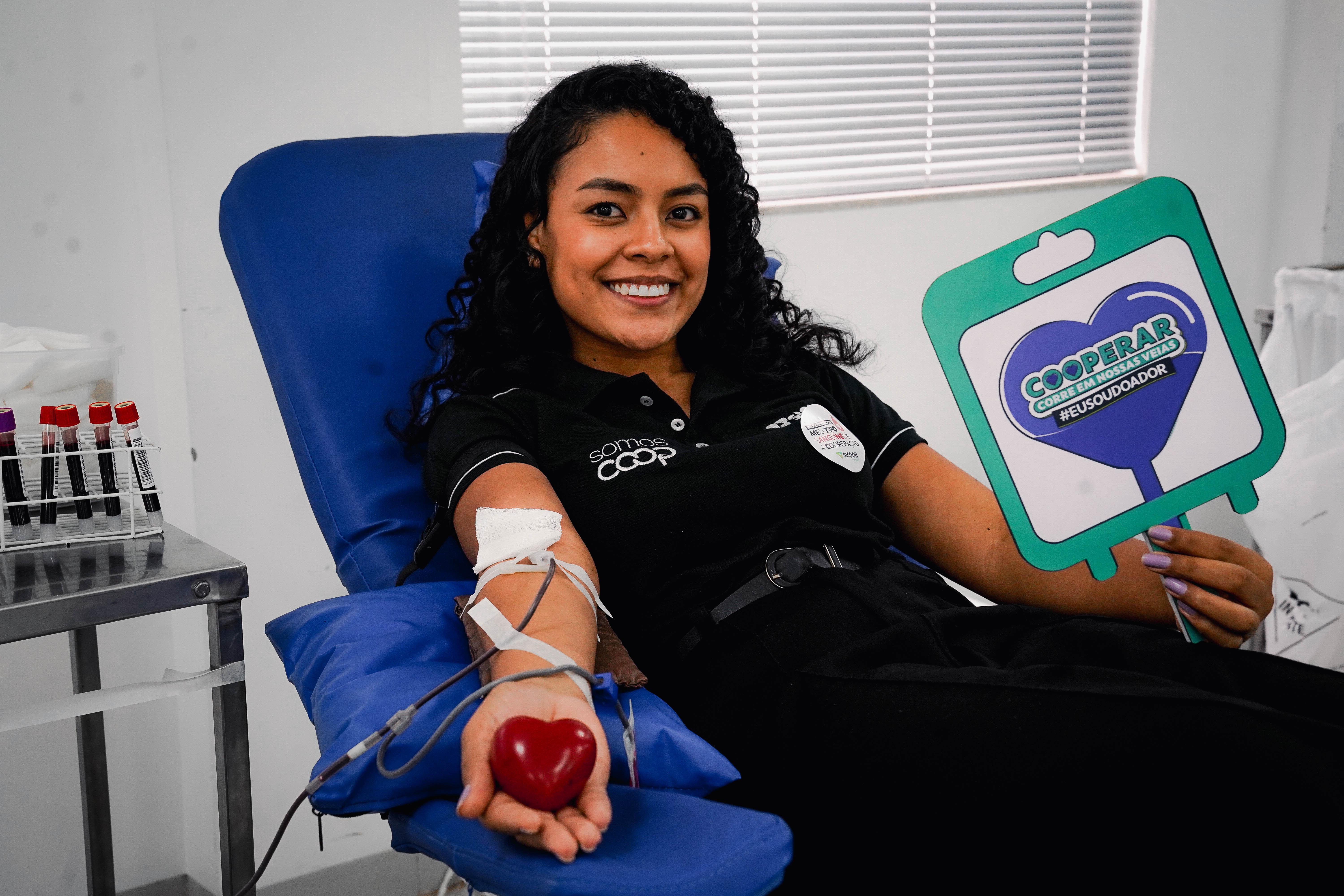
Sicoob Credisul has been running its "Cooperar Corre em Nossas Veias" (Cooperation Runs in Our Veins) campaign for six years, encouraging blood donations in partnership with blood centers across Rondônia, Mato Grosso, and Acre. This year, the initiative was intensified in the week leading up to World Blood Donor Day on June 14th, aiming to bolster blood bank supplies by mobilizing employees, members, and the local community. The campaign's expanded efforts took place in eight cities: Porto Velho, Vilhena, Rio Branco, Cuiabá, Cáceres, Tangará da Serra, Sinop, and Cruzeiro do Sul. In Vilhena, the Rondônia Hematology and Hemotherapy Foundation (Fhemeron) set up a collection point at the Sicoob Credisul Training Center, making it easier for people to donate. As of July, the campaign had collected 237 units of blood, with the potential to help approximately 948 individuals, as each donation can save up to four lives. Beyond increasing blood supplies, the campaign unites members, employees, partners, and health institutions around a shared cause, embodying the cooperative principle of community interest. Vilmar Saúgo, CEO of Sicoob Credisul, emphasized that the campaign exemplifies people cooperating to save lives, a core aspect of their business model. Michele Toledo, Fhemeron's director in Vilhena, highlighted the crucial role of such partnerships in maintaining blood stocks and raising public awareness about the ongoing need for regular donations, noting that every donor makes a significant difference.
The Sicoob Credisul campaign effectively leverages cooperative principles to address a critical public health need. By framing blood donation as an act of community interest and collective action, the initiative aligns with the cooperative movement's ethos, fostering engagement beyond mere transactional participation. This approach democratizes social responsibility, empowering members and the broader community to contribute directly to vital services. Looking ahead, such models demonstrate the potential for non-governmental organizations to drive essential public welfare initiatives, particularly in areas where public services may face resource constraints. The success hinges on sustained engagement and the reinforcement of shared values, highlighting a scalable strategy for addressing societal challenges through organized, purpose-driven networks.
AI-generated to prompt reflection — not editorial opinion, not advice, not a statement of fact. How this works.