Sicredi Allocates R$72.1 Billion for 2026/2027 Agricultural Season
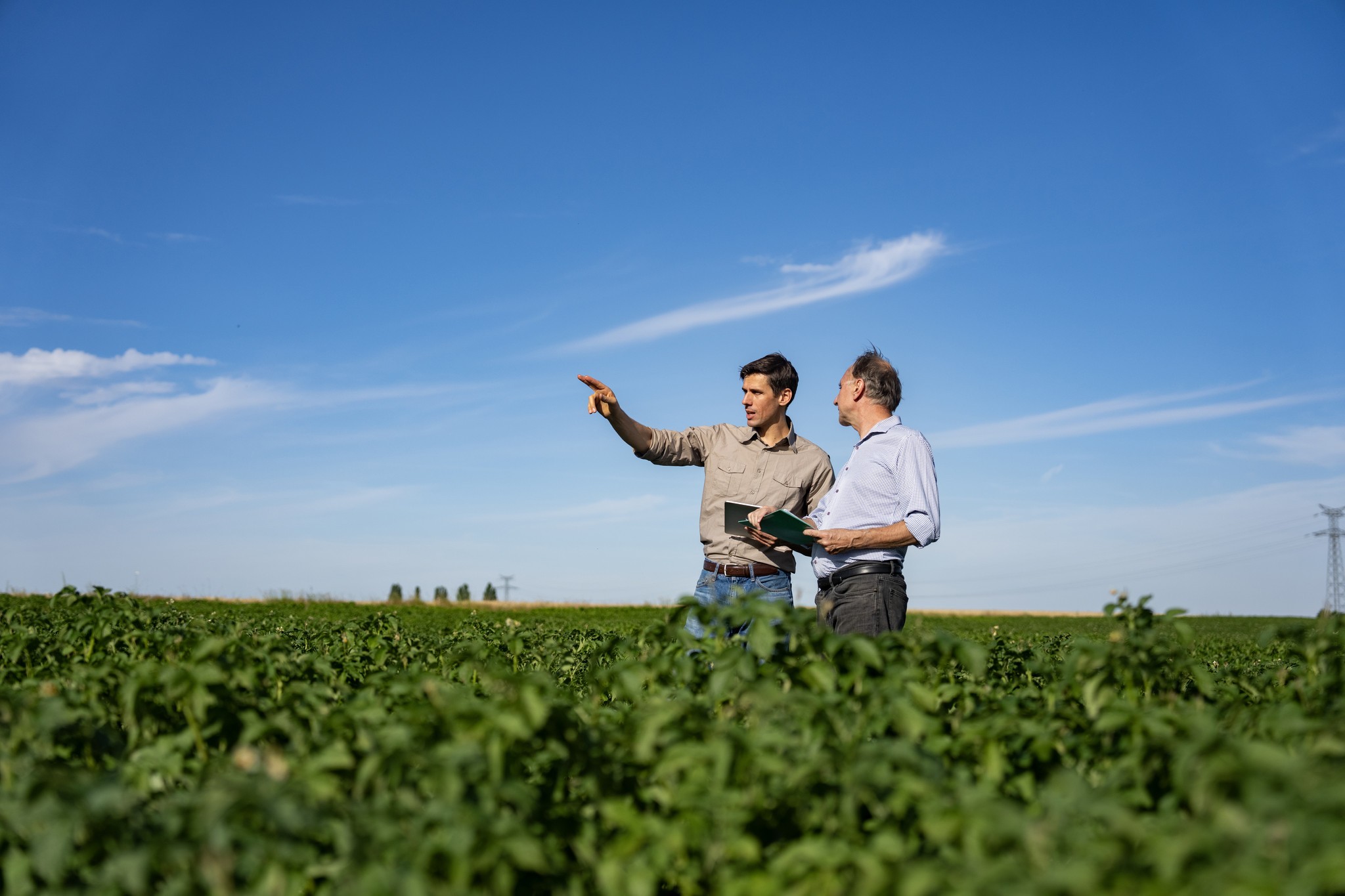
Sicredi, a cooperative financial institution, has announced a total allocation of R$72.1 billion to support its associated rural producers for the 2026/2027 agricultural season. This amount represents a 4.4% increase compared to the previous year and is projected to fund approximately 340,000 operations nationwide. The funds are earmarked for various agricultural needs, including R$27.6 billion for operating costs (custeio), R$15.4 billion for investments, and R$2 billion for commercialization and industrialization processes. Additionally, R$18 billion will be provided through Rural Product Notes (CPR), and R$9 billion will be available via foreign currency-denominated loans, targeting producers involved in the export chain. The institution emphasizes its commitment to supporting small and medium-sized producers, allocating R$13.3 billion to family farming and R$14.6 billion to medium-sized producers, who together are expected to account for 88% of the total operations. For the 2025/2026 season, Sicredi disbursed R$69 billion across over 320,000 operations. The new agricultural cycle commenced on July 1 and will conclude on June 30, 2027. In the specific region encompassing Mato Grosso and Northern states (Pará, Rondônia, Acre, Amazonas, Amapá, Roraima, and parts of Goiás), Sicredi will provide R$10.7 billion for the Plano Safra, covering rural credit, CPR, foreign currency loans, funds, and BNDES resources. The institution, which holds a R$121 billion agro credit portfolio nationwide, advises producers to engage in detailed financial and risk management planning, including crop insurance, to mitigate potential impacts from climatic challenges like El Niño.
Sicredi's substantial allocation of R$72.1 billion for the 2026/2027 agricultural season underscores the critical role of financial institutions in supporting national agribusiness. The cooperative's focus on small and medium-sized producers, who represent a significant majority of their operations, aligns with broader economic development goals. However, the increasing reliance on credit, particularly foreign currency-denominated loans, introduces currency risk and potential exposure to global economic volatility. As climate change intensifies, the emphasis on risk management and insurance becomes paramount, highlighting the systemic challenges of agricultural finance in an era of unpredictable weather patterns. The institution's strategy reflects a dual imperative: fostering agricultural growth while navigating complex financial and environmental landscapes, prompting consideration of long-term resilience strategies beyond immediate credit provision.
AI-generated to prompt reflection — not editorial opinion, not advice, not a statement of fact. How this works.