Sicredi Ouro Verde MT/PA Expands Sustainable Actions, Exceeding R$2 Billion in Green Economy Portfolio
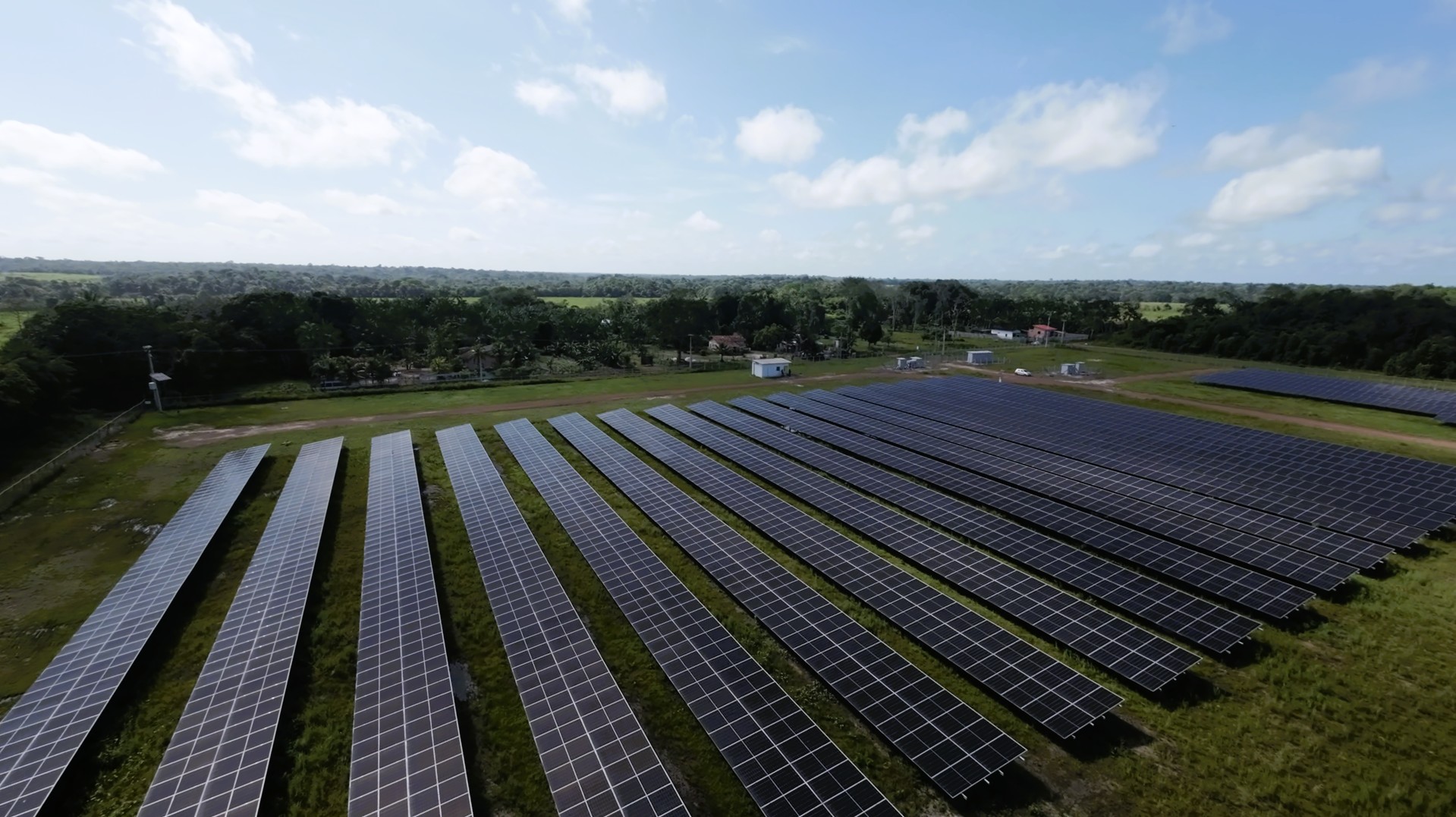
Sicredi Ouro Verde MT/PA, a cooperative operating in Mato Grosso and Pará, is significantly enhancing its commitment to sustainability through various initiatives. These efforts focus on waste management, solar energy financing, and fostering environmental awareness among its members and employees. The cooperative's 'Sustenta Sicredi' program, aligned with the Zero Waste concept, aims to reduce landfill waste by improving waste separation and disposal, earning the cooperative the Zero Waste Award in the Services category and a Blue Zero Waste certification in 2025. This recognition highlights the integration of waste management practices into daily operations, minimizing environmental impact and benefiting local communities.
Furthermore, Sicredi Ouro Verde MT/PA has seen substantial growth in its green economy portfolio, now exceeding R$2.2 billion in credit operations that promote economic, social, and environmental benefits. This marks a significant increase from approximately R$800 million in March 2025. These financial solutions cater to diverse groups, including family farmers, women entrepreneurs, and agribusinesses adopting sustainable practices. Nationally, the Sicredi system reported R$98.2 billion in its green economy portfolio by the end of 2025, reflecting a broader institutional commitment to ESG principles. The Central Sicredi Centro Norte also reduced greenhouse gas emissions by 14% in 2025 despite operational expansion.
Sicredi Ouro Verde MT/PA's robust expansion of its green economy portfolio and waste reduction initiatives demonstrate a strategic alignment with growing global ESG expectations. The cooperative's success in channeling significant capital towards sustainable projects and achieving Zero Waste certifications showcases a business model that integrates environmental stewardship with financial services. This approach not only addresses regulatory pressures and consumer demand for responsible finance but also positions the cooperative to capitalize on the long-term economic opportunities presented by the transition to a low-carbon economy. The emphasis on community engagement and leading by example suggests a potential for systemic influence, encouraging broader adoption of sustainable practices within the cooperative's operational regions and beyond.
AI-generated to prompt reflection — not editorial opinion, not advice, not a statement of fact. How this works.