Sierra Leone Fishermen Accuse Chinese Trawlers of Illegal Overfishing
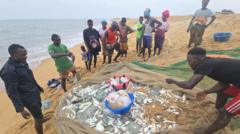
Fishing crews in Sierra Leone are voicing strong accusations against large Chinese trawlers, alleging that these vessels are illegally depleting fish stocks in their waters. The fishermen report that the extensive operations of these ships are severely impacting their livelihoods and the local fishing industry. They claim the Chinese trawlers are employing methods that are systematically removing vast quantities of fish, leaving little for the local communities. This situation has led to significant economic hardship for the African fishermen who rely on these resources for their survival. The accusations point to a broader issue of resource exploitation in West African waters. The fishermen are calling for intervention to protect their fishing grounds from what they perceive as unsustainable and illegal practices. The scale of the Chinese fleet's operations is reportedly overwhelming the capacity of local fishing efforts. This conflict highlights the tension between international industrial fishing and the needs of local artisanal fishing communities.
The accusations by Sierra Leonean fishermen against Chinese trawlers highlight a recurring global challenge: the tension between industrial-scale resource extraction and the sustainability of local artisanal economies. The core issue appears to be the potential for overfishing, which can destabilize marine ecosystems and disproportionately harm communities dependent on these resources. From a systemic perspective, the situation raises questions about international maritime law enforcement, the effectiveness of fishing quotas, and the governance structures designed to prevent illegal, unreported, and unregulated (IUU) fishing. The economic incentives for large fleets to maximize catch, coupled with potential regulatory gaps or enforcement challenges in certain regions, can create a dynamic where local livelihoods are undermined. Moving forward, a balanced approach considering both global food security needs and the preservation of local ecological and economic systems will be crucial, potentially involving enhanced monitoring, transparent data sharing, and collaborative management frameworks.
AI-generated to prompt reflection — not editorial opinion, not advice, not a statement of fact. How this works.