Sikkim Tunnel Collapse Kills 20 Workers Due to Gas Explosion
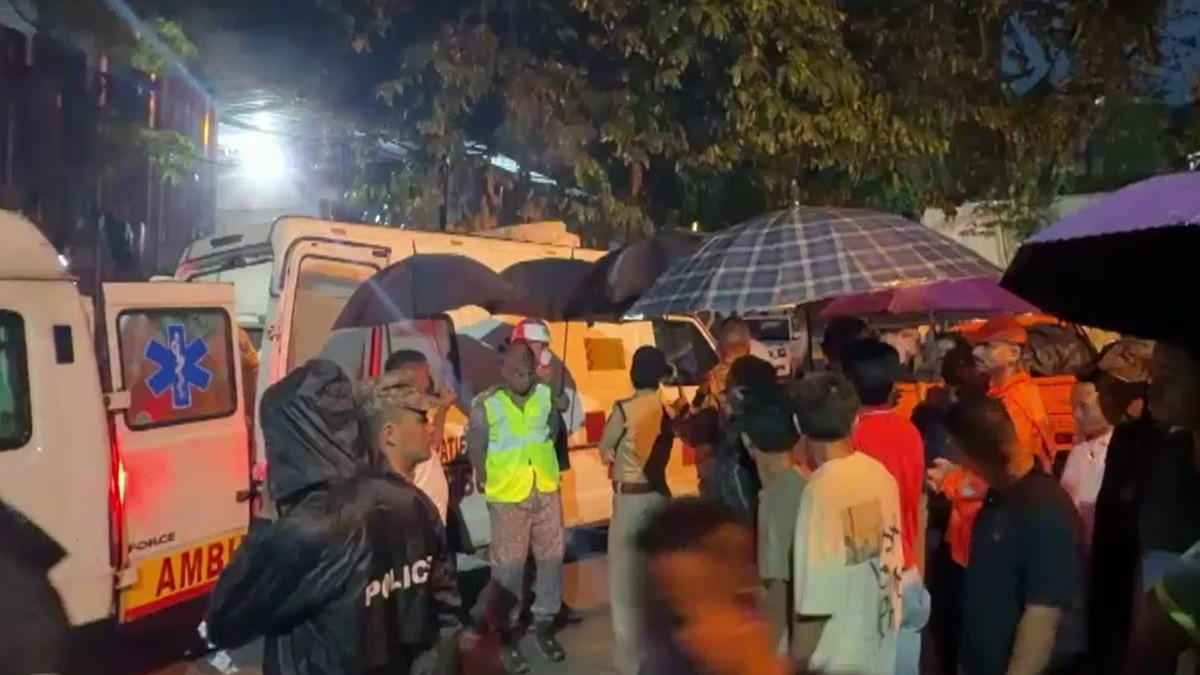
A tragic accident in the Namchi district of Sikkim has resulted in the deaths of 20 workers. The incident occurred within a tunnel of the NHPC Teesta Stage-6 hydroelectric project. The collapse was reportedly caused by a methane gas explosion. The explosion led to the tunnel's structural failure, trapping the workers inside. Tragically, all 20 individuals who were trapped succumbed to their injuries, with suffocation being cited as the cause of death. Rescue operations have been ongoing, but the severity of the blast and subsequent collapse has made recovery efforts challenging. The NHPC Teesta Stage-6 project is a significant infrastructure development in the region. This incident highlights the inherent risks associated with large-scale tunnel construction and underground work, particularly in environments where hazardous gases may be present. Authorities are investigating the exact cause of the methane gas leak and explosion.
The catastrophic tunnel collapse in Sikkim underscores the critical need for rigorous safety protocols in large-scale infrastructure projects, especially those involving underground excavation and potential gas hazards. While the immediate cause appears to be a methane explosion, a deeper analysis must consider the adequacy of pre-construction geological surveys, ongoing gas monitoring systems, and emergency response preparedness within the NHPC Teesta Stage-6 project. The incident prompts a review of industry-wide safety standards and regulatory oversight to mitigate risks for workers in similar environments. Looking ahead, advancements in AI-driven predictive maintenance and real-time environmental monitoring could offer enhanced safety measures, potentially preventing future tragedies by identifying and addressing hazardous conditions before they escalate.
AI-generated to prompt reflection — not editorial opinion, not advice, not a statement of fact. How this works.