Silicon-Carbon Batteries: A Leap Forward for Smartphone Power?
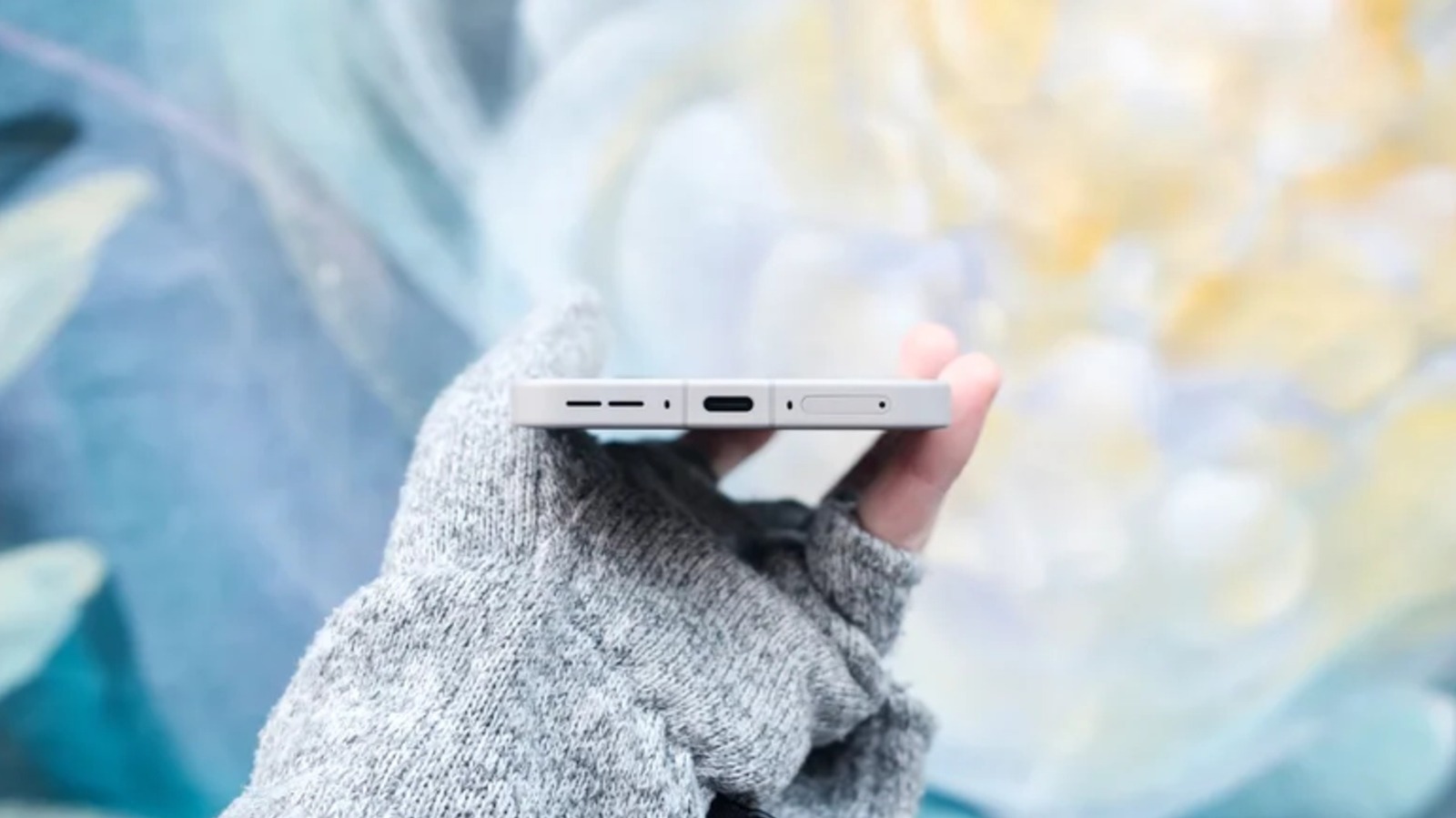
Several major Chinese smartphone manufacturers have begun integrating silicon-carbon batteries into their devices. Following this trend, Samsung has now adopted this advanced battery technology in its latest Fold smartphone series. This shift indicates a growing industry-wide interest in silicon-carbon batteries as a potential solution for improving smartphone battery life. These batteries are touted for their ability to hold more energy than traditional lithium-ion batteries, potentially leading to longer usage times between charges. The adoption by prominent players like Samsung suggests that silicon-carbon technology is maturing and becoming a viable alternative for mass-market consumer electronics. This development could signal a significant upgrade for users experiencing limitations with current battery performance.
The integration of silicon-carbon batteries by leading smartphone manufacturers like Samsung and several Chinese brands signifies a strategic pivot towards enhanced energy density and potentially faster charging capabilities. This technological evolution addresses a persistent consumer pain point: battery longevity. From a market perspective, this move could reshape competitive dynamics, rewarding early adopters with superior product offerings and potentially creating new supply chain dependencies. Looking ahead, the widespread adoption of silicon-carbon technology may necessitate advancements in manufacturing processes and material sourcing to ensure scalability and cost-effectiveness, while also prompting research into thermal management and long-term degradation characteristics to guarantee user safety and device lifespan.
AI-generated to prompt reflection — not editorial opinion, not advice, not a statement of fact. How this works.