Simone Tebet Criticizes 'Secret Amendments' and Calls Feminicide Rise in SP 'Inexplicable'
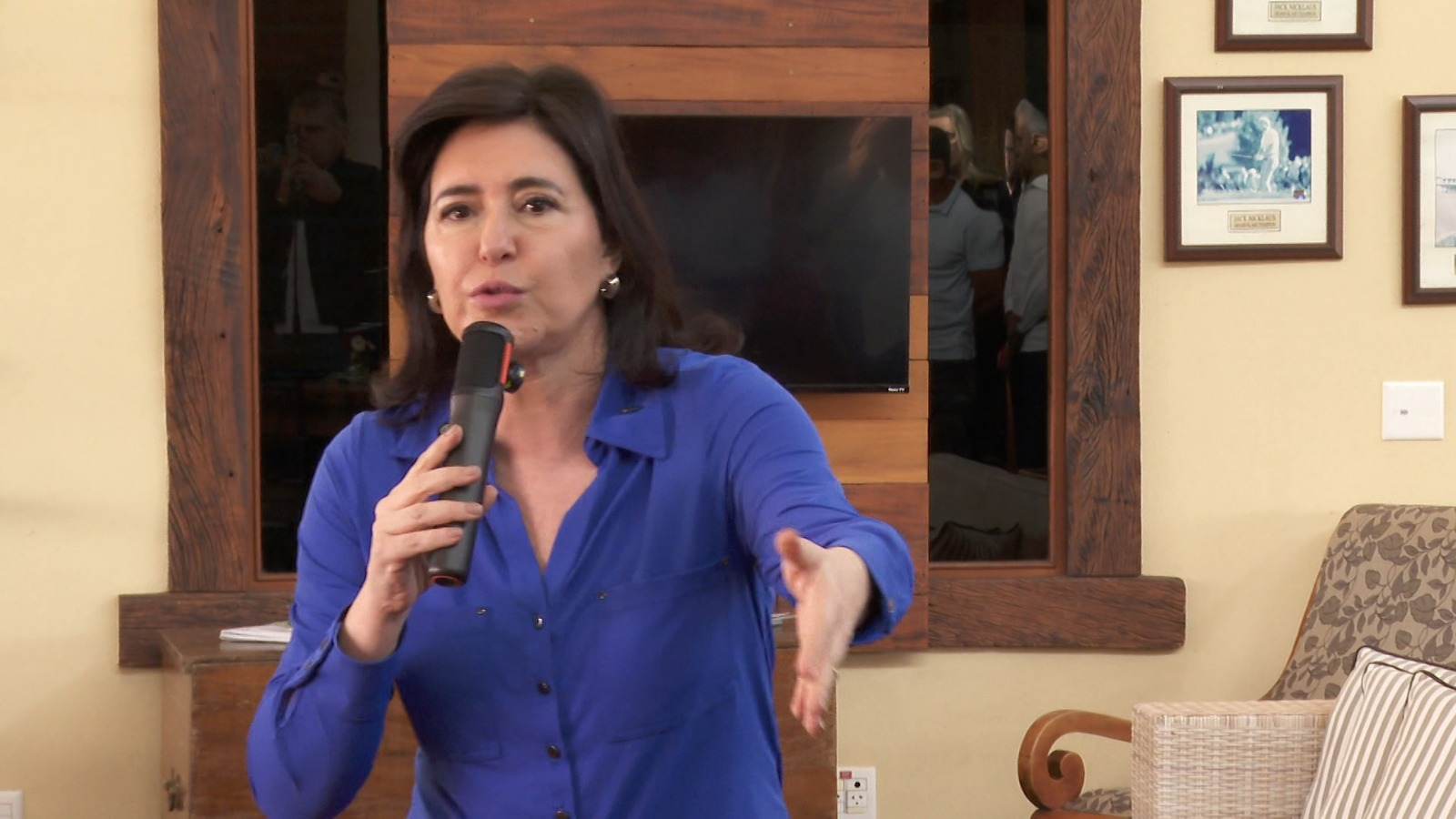
Simone Tebet, a candidate for the Senate and former Minister of Planning and Budget, advocated on Monday, September 3rd, in São Carlos (SP), for federal funds to be transferred directly to municipalities, bypassing what she termed 'secret amendments,' 'PIX amendments,' and parliamentary amendments. This stance aligns with President Luiz Inácio Lula da Silva's stated intention to reform the current parliamentary amendment system. Tebet emphasized that direct transfers would ensure resources reach those most in need and are managed by local administrations that better understand community requirements. She believes federal investments should prioritize infrastructure and social policies tailored to municipal realities. Tebet, who left her government post in April to run for Senate, is part of Fernando Haddad's gubernatorial ticket in São Paulo. She also expressed deep concern over the "inexplicable" 10% rise in feminicides in São Paulo, a state she described as the most developed in Brazil. Tebet called for strengthening the victim protection network, advocating for increased investment in specialized facilities like the 'Casa da Mulher Brasileira' and 24-hour specialized women's police stations, offering state and municipal support for their operation. Beyond infrastructure, she stressed the necessity of a cultural shift involving men in defending women against violence and rejecting machismo in daily life, from casual jokes to more serious issues. Until this cultural transformation occurs, Tebet insisted on the importance of a robust budget to fund public policies for women's protection.
This event highlights a tension between centralized parliamentary funding mechanisms and direct municipal resource allocation in Brazil. The critique of "secret amendments" suggests concerns about transparency and accountability in the distribution of federal funds, potentially impacting the efficiency and equity of public spending. The candidate's focus on feminicide rates in São Paulo points to the complex interplay between socio-economic development and persistent gender-based violence, suggesting that even in more developed regions, systemic issues require targeted policy interventions and robust budgetary support. The call for cultural change, while aspirational, underscores the long-term challenge of addressing ingrained societal norms that contribute to violence against women, requiring sustained public awareness and engagement alongside policy reforms.
AI-generated to prompt reflection — not editorial opinion, not advice, not a statement of fact. How this works.
