Sinaloa Cartel Founder El Mayo Zambada Sentenced to Life in US Prison
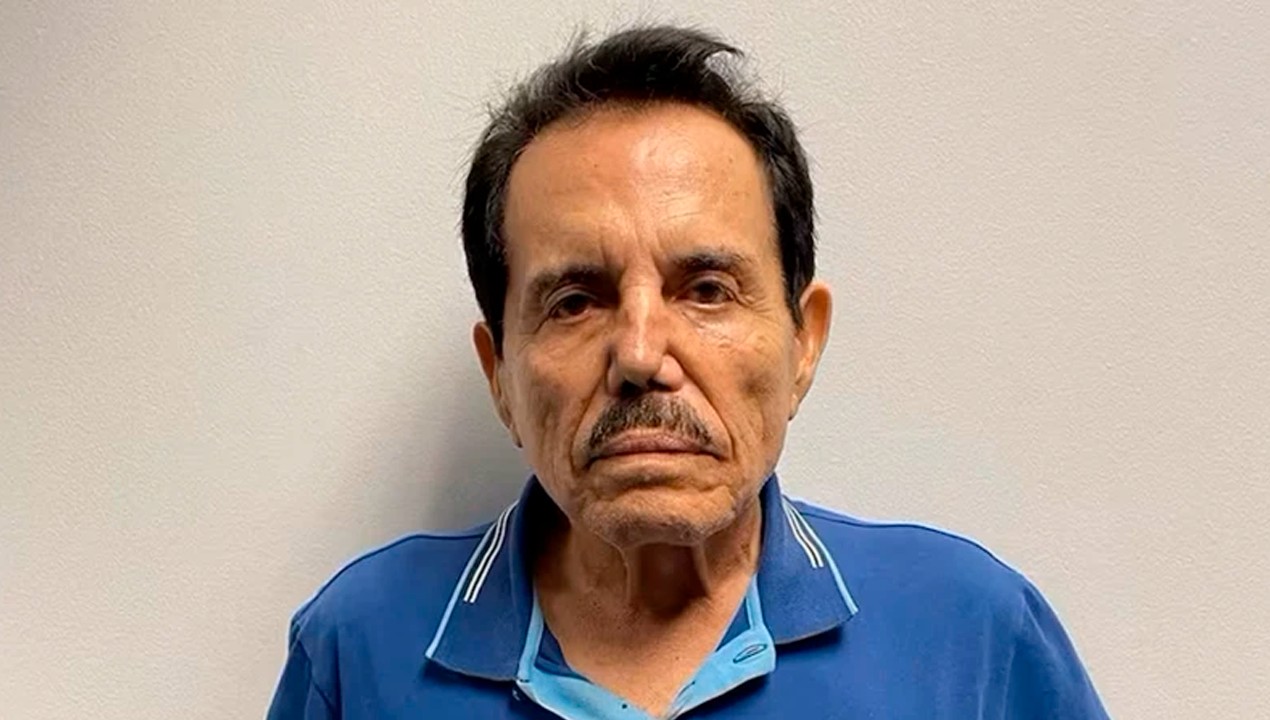
Ismael "El Mayo" Zambada, a co-founder of the Sinaloa Cartel, has been sentenced to life in prison by a U.S. judge, marking the end of a significant era in Mexican drug trafficking. The sentence also includes the forfeiture of $15 billion, an amount the U.S. estimates the cartel generated. Zambada, who began cultivating marijuana in Sinaloa in 1969 at the age of 19, eventually rose to control cocaine routes from South America to the United States, co-leading what U.S. authorities described as the world's largest drug trafficking organization alongside Joaquín "El Chapo" Guzmán. His conviction signifies the disappearance of a generation of absolute drug lords who wielded immense power through violence and wealth, evolving from marijuana farmers to controllers of international drug trade stages. Experts note that while these powerful leaders are fading, the problem of drug trafficking and associated violence persists, merely shifting to new figures and forms. The association between Zambada and Guzmán, which began after disputes in the 1990s, led to the formation of the Sinaloa Cartel, characterized by a complex structure but a vertical hierarchy with Zambada and Guzmán at the apex. Their operations utilized various methods, including planes, submarines, and speedboats, to transport vast quantities of drugs to major U.S. cities. Unlike Guzmán, who cultivated a public and almost legendary persona, Zambada maintained a discreet, elusive profile throughout his career, rarely seen and never arrested until his capture in 2024, reportedly facilitated by a trap involving his associate's son.
The life sentence for Ismael "El Mayo" Zambada and the forfeiture of $15 billion represent a significant legal and financial blow to the Sinaloa Cartel's historical leadership structure. This event underscores the evolving dynamics of international drug trafficking, moving away from singular, powerful figures towards more decentralized and resilient organizational models. While the capture of such high-profile leaders may disrupt current operations, the underlying market demand for illicit substances and the systemic factors driving drug production and distribution in producer and transit countries remain. Future efforts to combat these complex criminal enterprises will likely require a multi-faceted approach, addressing not only kingpin decapitation but also demand reduction, financial disruption, and the socio-economic conditions that foster illicit economies.
AI-generated to prompt reflection — not editorial opinion, not advice, not a statement of fact. How this works.