Sindh Private Schools Gain Flexibility in Setting Weekly Working Days
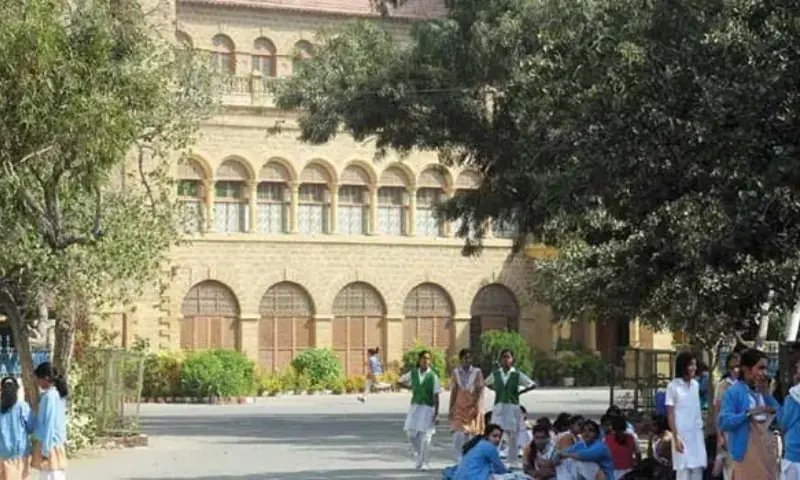
Private schools across Sindh have been granted the autonomy to determine their weekly teaching and working days based on their own schedules and convenience. This clarification comes from the Sindh Education and Literacy Department, following an earlier directive issued on July 29. The initial notification mandated a six-day school week for all public and private educational institutions province-wide, starting August 1, 2026. However, a subsequent circular from the Directorate of Inspection and Registration of Private Institutions has explicitly exempted privately managed schools from this requirement. Rafia Javed, Additional Director (Registration), stated in the new circular that these schools can manage their weekly working days according to their operational needs. This contrasts with the March 31, 2026 announcement, which had designated Saturdays and Sundays as off-days for educational institutions. That decision was part of broader austerity measures aimed at conserving fuel amidst economic pressures. The six-day week was initially intended to ensure the timely completion of the annual curriculum, as teachers had also begun taking Saturdays off, impacting students' academic progress.
The Sindh Education Department's decision to allow private schools flexibility in setting their weekly working days introduces a dynamic of decentralized educational management. While aiming to address curriculum completion and operational convenience, this move could lead to disparities in educational access and intensity across different institutions. The rationale behind the initial six-day week—fuel conservation and austerity—highlights the broader economic challenges influencing policy. The subsequent exemption for private institutions suggests a recognition of their distinct operational models and potentially their ability to absorb costs or manage schedules differently. This policy shift warrants monitoring for its long-term impact on educational equity, student engagement, and the overall effectiveness of the provincial education system in navigating economic constraints while striving for academic standards.
AI-generated to prompt reflection — not editorial opinion, not advice, not a statement of fact. How this works.