Sindh Province to Revert to Six-Day School and College Weeks Starting August 1
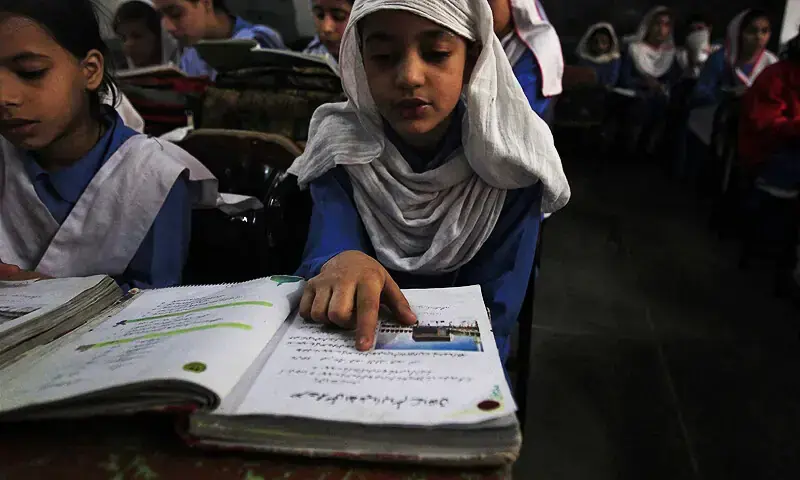
The Sindh government in Pakistan has announced that all public and private schools and colleges within the province will return to a six-day work week, effective from August 1, 2026. This change will be in effect until further notice. The decision impacts institutions under the administrative control of both the School and Literacy Education Department and the College Education Department. Previously, on March 31, 2026, the government had declared Saturdays and Sundays as off days for educational institutions. This earlier decision was implemented as part of austerity and fuel conservation measures aimed at mitigating the economic consequences of the US-Israeli war on Iran. The conflict had led to the closure of the Strait of Hormuz, a critical chokepoint for global oil and gas transport, and subsequently caused a worldwide fuel shortage. The new notifications, dated July 29 and July 30 respectively, supersede the March 31 directive. College timings will vary, with morning shifts from Monday to Thursday and Saturday running from 8:30 am to 1:30 pm, and a shorter morning shift on Fridays from 8:30 am to 11:30 am. Evening shifts from Monday to Thursday and Saturday will be from 3:00 pm to 7:00 pm, with Friday evenings scheduled from 2:30 pm to 5:00 pm.
The Sindh government's decision to reinstate a six-day work week for educational institutions reflects a pragmatic response to evolving economic conditions, potentially driven by the need to optimize resource utilization and address operational demands. The initial shift to a five-day week was explicitly linked to fuel conservation and austerity measures stemming from geopolitical events impacting global energy markets. The reversal suggests that either the initial austerity goals have been met, the economic pressures have intensified requiring a return to longer operational weeks, or the previous model proved unsustainable for educational delivery. This policy shift highlights the delicate balance governments must strike between national economic imperatives, geopolitical influences, and the operational requirements of public services like education. The recurring adjustments underscore the volatility of the global energy landscape and its direct impact on domestic policy-making, prompting a need for adaptable governance structures.
AI-generated to prompt reflection — not editorial opinion, not advice, not a statement of fact. How this works.