Singapore Researchers Unveil Self-Healing Underwater Electronic Skin
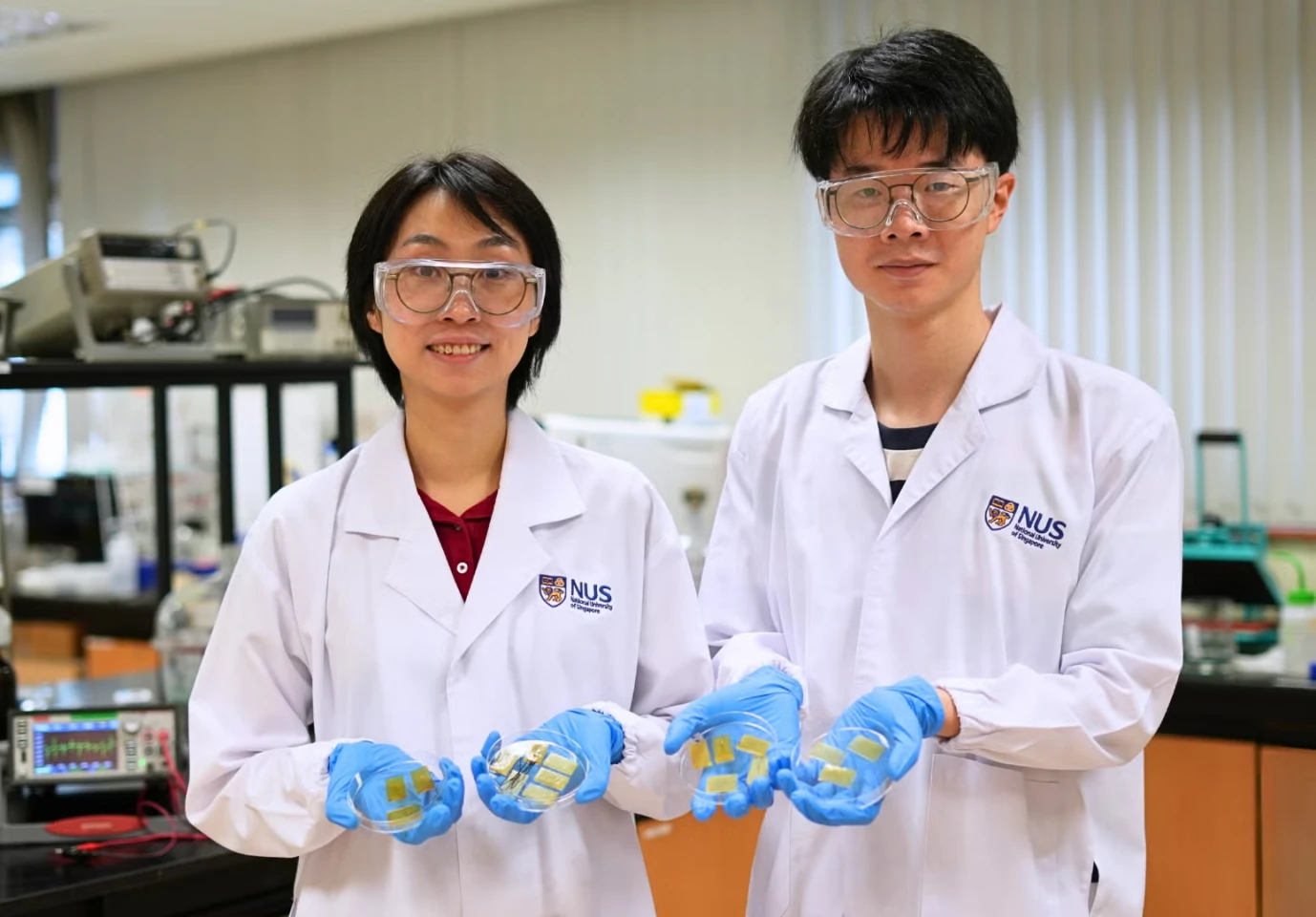
Researchers at the National University of Singapore (NUS) have created an innovative electronic skin capable of functioning underwater. This advanced material possesses multiple sensing capabilities, including detecting nearby objects and physical contact. Crucially, it can identify when it has sustained damage, such as punctures or cuts. Furthermore, the electronic skin exhibits self-healing properties, allowing it to repair itself after being damaged. This development holds potential for various applications requiring robust and adaptable underwater sensing technologies.
This development in self-healing electronic skin addresses a significant challenge in underwater robotics and sensing, where durability and autonomous repair are paramount. The integration of magnetoelectric properties suggests a novel approach to sensing without requiring complex wiring or external power sources for detection. Future iterations could explore enhanced sensitivity, broader environmental compatibility, and scalability for commercial applications. The long-term impact will depend on the material's cost-effectiveness, energy efficiency, and the robustness of its self-repair mechanism under diverse and prolonged underwater conditions, potentially influencing the design of autonomous underwater vehicles and marine monitoring systems.
AI-generated to prompt reflection — not editorial opinion, not advice, not a statement of fact. How this works.
