Singapore Residents Rally to Protect Maju Forest Amidst Development Plans
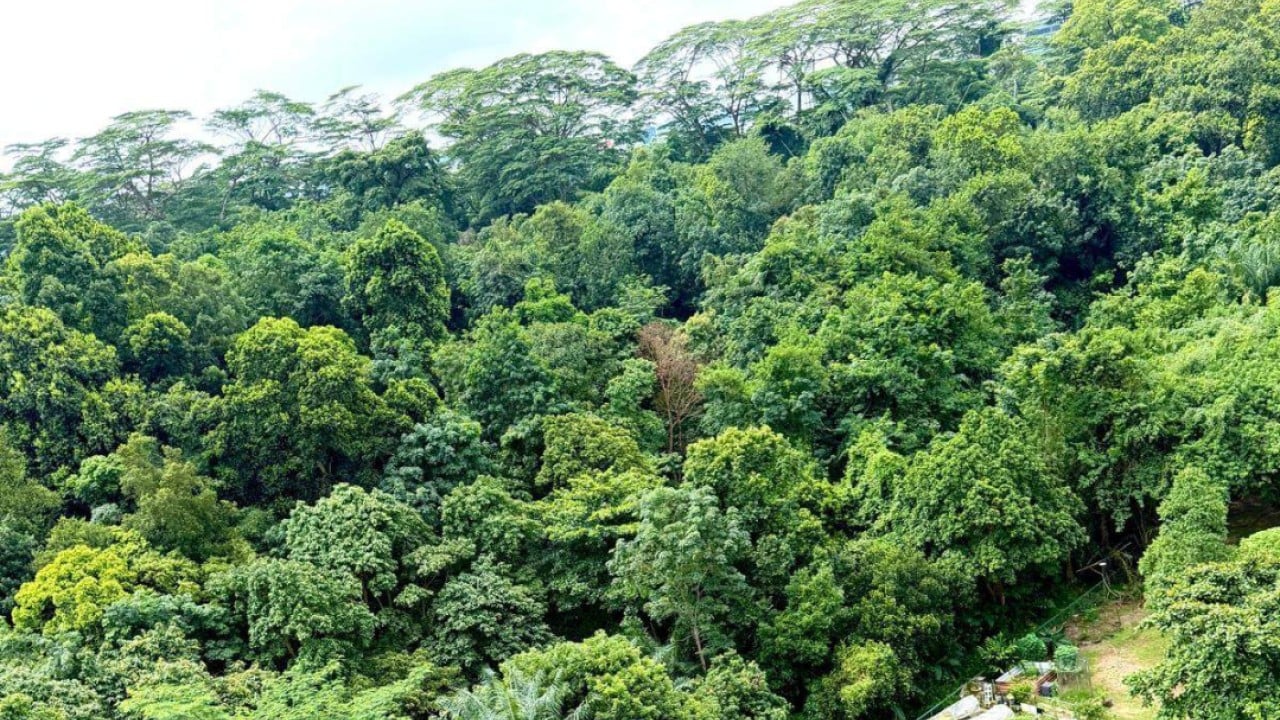
Singaporean residents, like 68-year-old media producer Jo Teoh, are actively campaigning to save the Maju forest, located near the Sunset Way estate in western Singapore. For over three decades, Teoh and her family have enjoyed the natural environment adjacent to their home, appreciating the sounds of birdsong, the sight of macaques in the trees, and the presence of hornbills gliding overhead. Teoh emphasizes that the forest is an integral part of the community's identity and daily life, describing it as a "living neighbour" that has shaped their neighborhood. However, the looming threat of clearance for development casts a shadow over the future of this cherished natural space. The residents' efforts highlight a growing tension between urban development and the preservation of green spaces in densely populated Singapore. Their fight underscores the deep emotional and community connections people form with their natural surroundings.
The residents' passionate defense of Maju forest reflects a broader societal tension between urban expansion and ecological preservation, particularly in densely populated city-states like Singapore. As urban environments increasingly encroach on natural habitats, the perceived value of green spaces shifts from mere aesthetics to vital components of community well-being and biodiversity. This situation presents a systemic challenge for urban planners: balancing the need for housing and infrastructure with the long-term benefits of maintaining ecological balance and natural heritage. Future urban development strategies may need to incorporate more robust mechanisms for community consultation and environmental impact assessment to mitigate such conflicts, ensuring that development does not irrevocably diminish the quality of life and natural capital for current and future generations.
AI-generated to prompt reflection — not editorial opinion, not advice, not a statement of fact. How this works.