Singapore's Ban on Massive Attack Sparks Debate on Artistic Freedom and Foreign Conduct
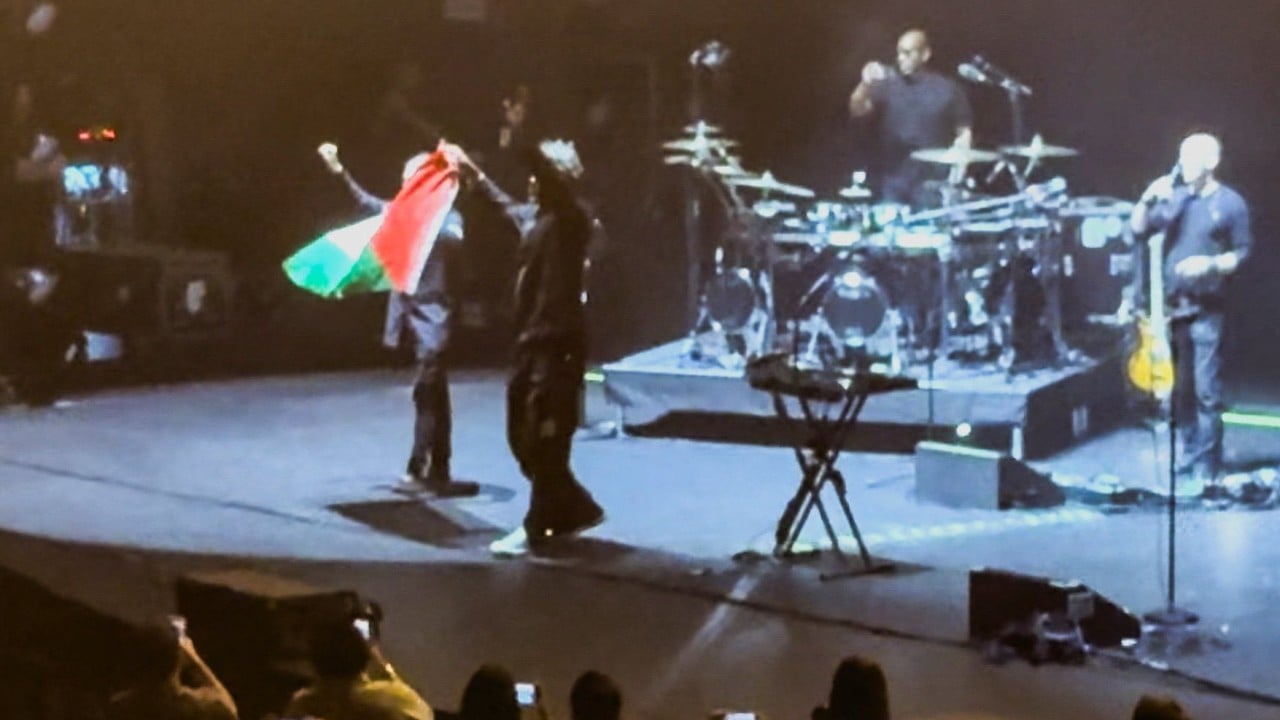
British band Massive Attack was banned from performing in Singapore following pro-Palestinian actions during their concert on Wednesday. The two members of the band displayed a Palestinian flag and led the audience in chanting "Free Palestine." This incident has divided opinions within Singapore, with some criticizing the country's strict laws regarding foreign conduct and others emphasizing the need for visitors to adhere to local regulations. Displaying non-Singaporean emblems is prohibited under the Foreign National Emblems (Control of Display) Act. The ban highlights a tension between artistic expression and national laws concerning political displays by foreign nationals.
The incident involving Massive Attack in Singapore brings into sharp focus the challenges of balancing international artistic expression with domestic legal frameworks governing political displays. Singapore's stringent regulations, particularly the Foreign National Emblems (Control of Display) Act, reflect a broader governance approach prioritizing social harmony and national security, often through strict controls on public discourse and symbols. This case raises questions about the extraterritorial reach of national laws and their implications for global cultural exchange. As international artists tour, they may inadvertently encounter differing legal and social norms, necessitating careful consideration of potential consequences. The situation underscores the evolving landscape of cultural diplomacy and the need for clear communication regarding permissible forms of expression in diverse geopolitical contexts, especially in an era where global connectivity amplifies the impact of such events.
AI-generated to prompt reflection — not editorial opinion, not advice, not a statement of fact. How this works.
