Singapore's Carer Burnout Crisis: Deaths Expose Urgent Need for Support
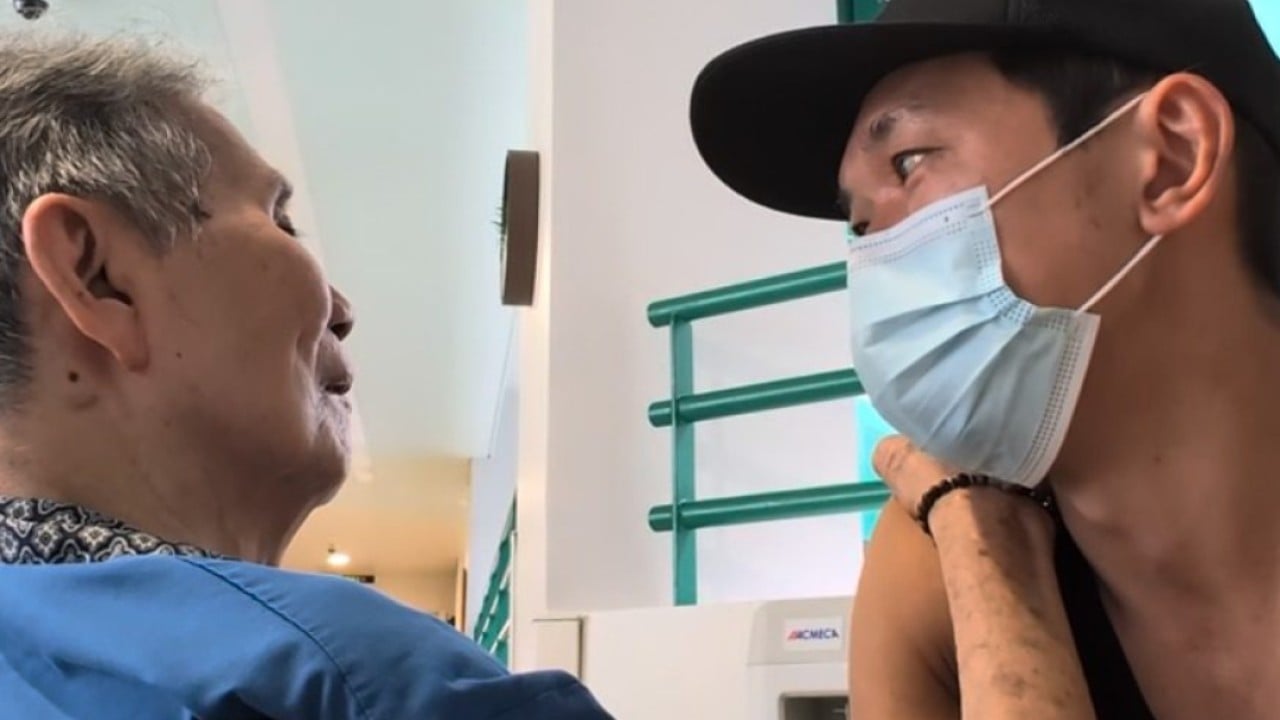
The challenges faced by unpaid caregivers in Singapore have been brought into sharp focus following recent deaths, highlighting an urgent need to address carer burnout. Karasi Chandramogan, a 35-year-old freelance behavioural therapist, has been the sole caregiver for her brother, who has autism, and her mother, an amputee, since her father's death four years ago. She described the immense pressure of managing funeral arrangements and care responsibilities simultaneously after her father's passing. Chandramogan recounted a specific incident in April where her brother, Bala, experienced seizures during lunch, underscoring the demanding and often stressful nature of her role. The article implies that such situations are not isolated and that the strain on caregivers is a significant societal issue in Singapore. The current system appears to place a heavy burden on individuals, often without adequate support structures. The recent deaths serve as a stark reminder of the potential consequences of prolonged stress and lack of respite for those providing essential care.
The situation in Singapore underscores a growing global challenge where the burden of care for aging populations and individuals with disabilities disproportionately falls on unpaid family members. This reliance on informal caregiving, while often born of necessity and love, can lead to severe financial, emotional, and physical strain on caregivers, as exemplified by Karasi Chandramogan's experience. The system's current structure may inadvertently incentivize individual sacrifice over collective responsibility, potentially leading to burnout and tragic outcomes. Future policy considerations should explore models that provide more robust financial aid, respite care services, and professional support networks to ensure the sustainability of caregiving and the well-being of both caregivers and care recipients. This proactive approach is crucial for building resilient communities capable of meeting the long-term care needs of their citizens in an aging demographic landscape.
AI-generated to prompt reflection — not editorial opinion, not advice, not a statement of fact. How this works.