Singer Mesba Rahman Discusses "Aaj Keno Mon Udashi Hoye" Song's Resurgence
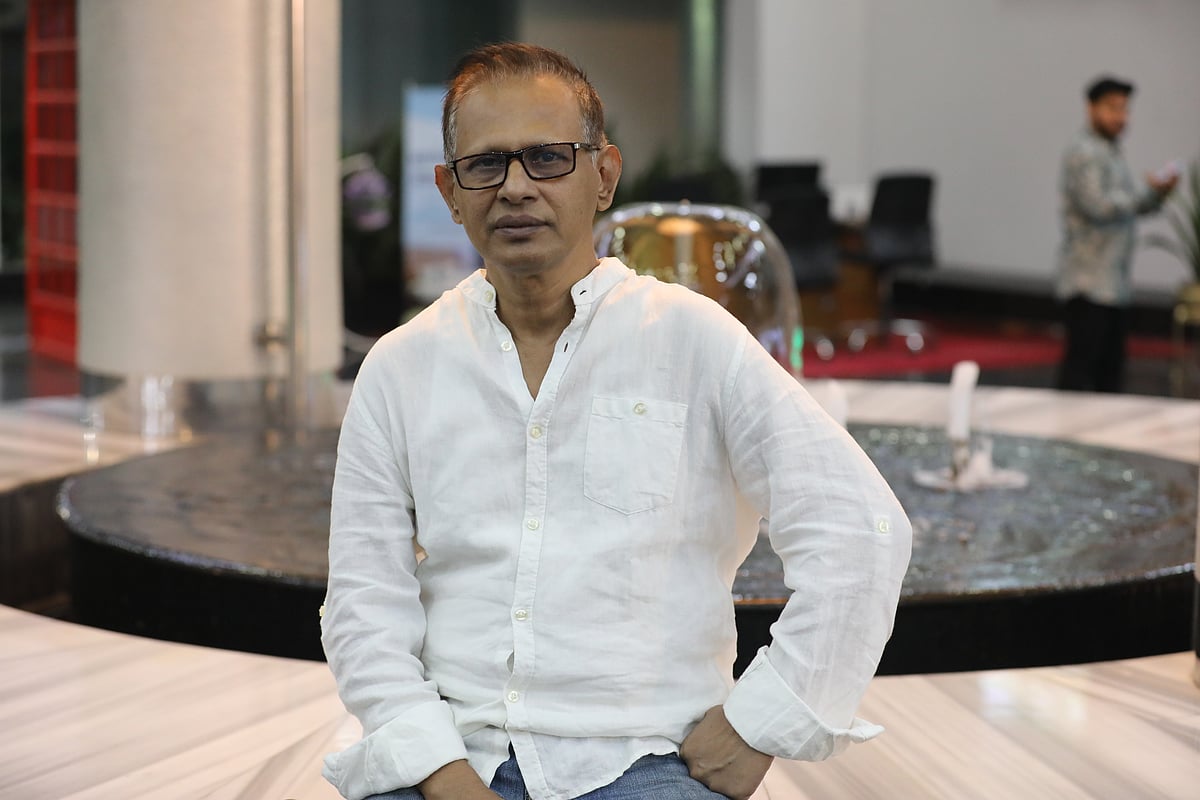
The song "Aaj Keno Mon Udashi Hoye...", originally sung by Mesba Rahman of the band Different Touch, has resurfaced on social media. It is being used by teachers, artists, and people from various walks of life across Bangladesh to express solidarity and protest against cyberbullying targeting a government primary school head teacher in Sylhet. This resurgence has brought Mesba Rahman and the song "Shraboner Meghgulo Joro Holo Akashe" back into the spotlight, especially for the younger generation. Mesba expressed that it is a significant achievement for Different Touch to see their music used as a form of protest. He believes that while social media can generate controversy, the song's use to express solidarity is positive, and he did not find anything objectionable in the video associated with the cyberbullying incident. The song was written on a rainy night in 1987 by lyricist Ashraf Babu for a new album, and it quickly became Different Touch's signature tune. Mesba recalled the song's first performance on Bangladesh Television during an Eid program, which led to the band's recognition. He also shared humorous anecdotes about the song's performance, including two separate concerts at Jahangirnagar University where heavy rain interrupted the show shortly after the song began. Mesba noted that the song's success is due to its lyrics, melody, and composition, particularly the iconic guitar intro that creates an emotional connection. He is currently busy with concerts both domestically and internationally and is working on new songs, some of which are already being performed live with positive audience reception. Different Touch plans to release these new songs, along with music videos, on their YouTube channel soon, with potential for a compilation album later.
The resurgence of the song "Shraboner Meghgulo Joro Holo Akashe" as a tool for protest highlights the enduring power of music in social movements. This phenomenon underscores how cultural artifacts can be reappropriated to serve contemporary needs, transcending their original artistic intent. The use of the song in response to cyberbullying demonstrates a collective desire for solidarity and a platform for dissent, particularly within professional communities like educators. This event prompts reflection on the evolving landscape of digital activism and the mechanisms through which individuals and groups can mobilize public opinion and express grievances in the digital age. It also raises questions about the longevity of such movements and the potential for sustained impact beyond viral moments.
AI-generated to prompt reflection — not editorial opinion, not advice, not a statement of fact. How this works.