Singer Mitsias Expresses Disappointment Over Ban on Hadjidakis Songs
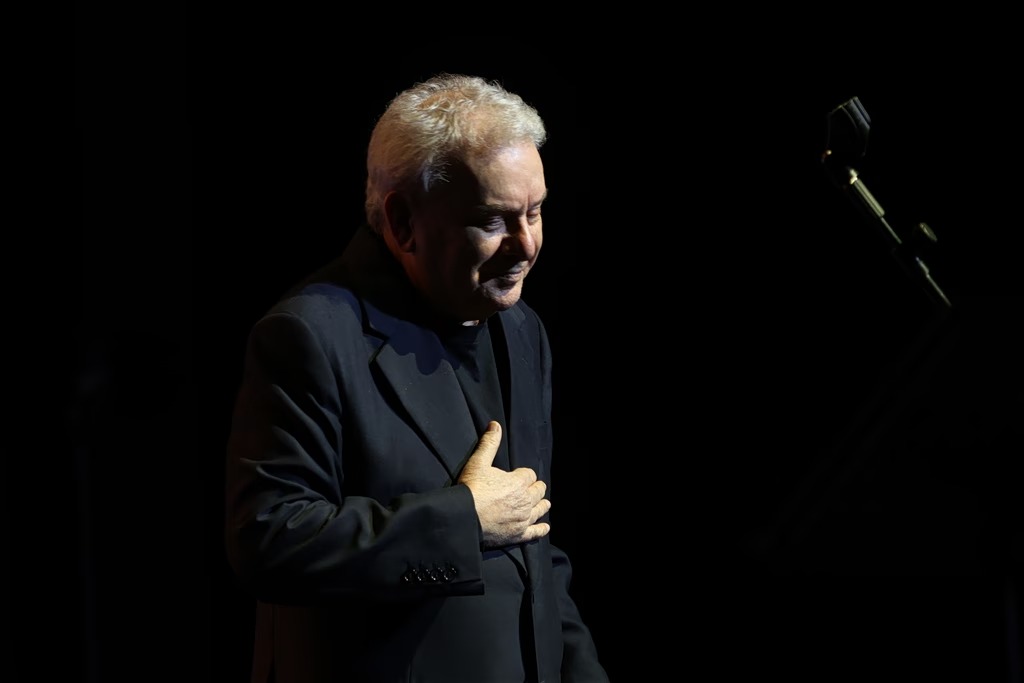
Manolis Mitsias, a prominent singer, has voiced his profound disappointment following an incident at the Ancient Theatre of Dion, Greece. During a performance, he was reportedly prohibited from singing songs by the renowned composer Manos Hadjidakis. Specifically, Mitsias was prevented from performing the iconic song "Giannis the Killer" and was only allowed to recite it. According to event organizers, the ban originated from the entity managing Hadjidakis's legacy. Mitsias described the situation as "sad" but stated that the public ultimately provided the resolution. He implied that the audience's reaction and support demonstrated their will, effectively overriding the restriction. The incident highlights a tension between artistic interpretation and the management of a composer's intellectual property and artistic intent.
This situation underscores the complexities surrounding the posthumous management of artistic legacies and intellectual property rights. While rights holders aim to preserve the integrity of an artist's work, restrictions on performance can lead to public backlash and perceptions of overreach. The incident at the Ancient Theatre of Dion raises questions about the balance between protecting an artist's vision and allowing for contemporary interpretations that resonate with new audiences. The public's response suggests a strong desire for access to cultural heritage, potentially indicating a need for more flexible licensing or interpretation frameworks in the future. Navigating these sensitivities will be crucial as cultural institutions and rights holders adapt to evolving societal expectations in the digital age.
AI-generated to prompt reflection — not editorial opinion, not advice, not a statement of fact. How this works.