Singer Plays Guitar During Brain Tumor Surgery in Paraná
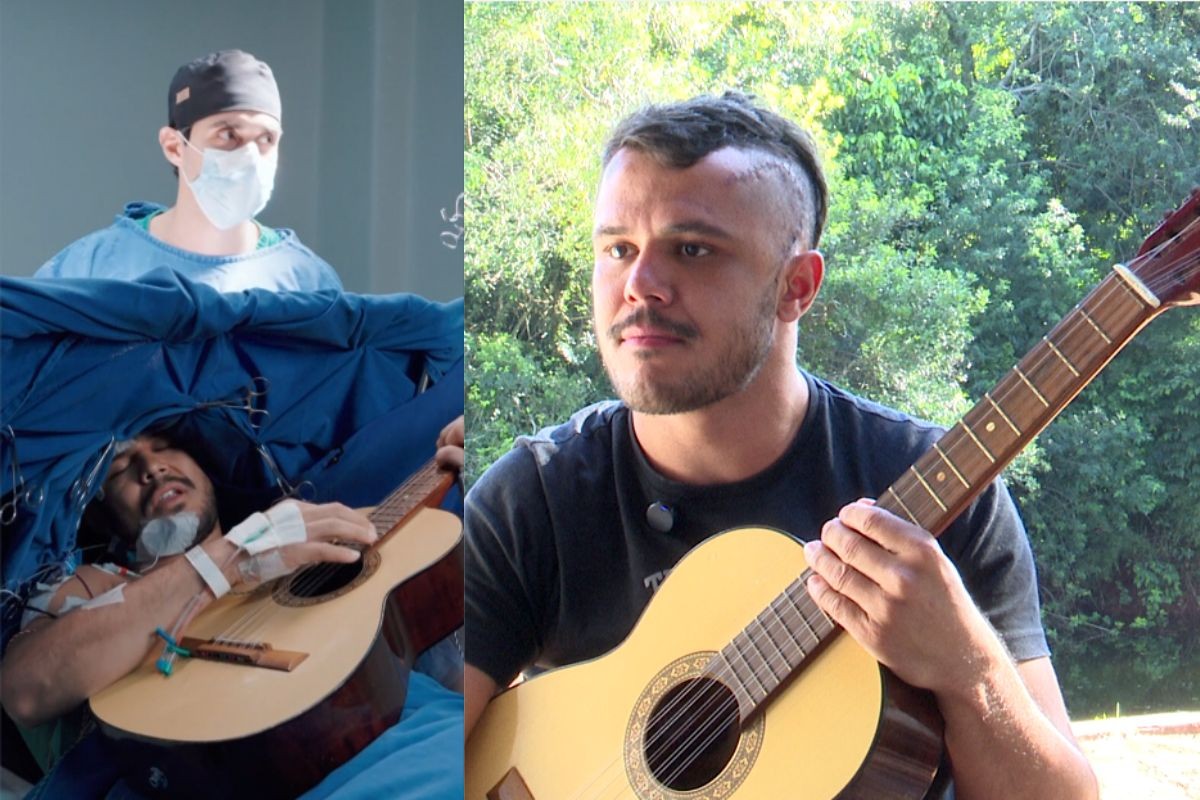
Singer Lincoln Furtado, known as Maldonado, recently underwent a seven-hour surgery to remove a low-grade glioma tumor from the left side of his brain. The 33-year-old musician played his viola and sang throughout the procedure, which was performed while he was awake. This unique approach was chosen because the tumor was located in the speech and language area of his brain, allowing doctors to monitor his reactions in real-time. Furtado began experiencing symptoms of increased forgetfulness earlier this year, prompting him to seek medical attention. Tragically, his father had passed away from the same disease three years prior, having discovered his tumor at a more advanced stage. Furtado was treated by the same neurosurgeon, Victor Batistela, who had cared for his father. The surgery, conducted at the Hospital do Câncer de Londrina in Northern Paraná, involved a team of seven doctors and was deemed successful. Although Furtado has limited recollection of the event due to medication, he remembers being handed his viola and feeling a bit slow. He was discharged two days after the operation and returned to his home in Cambé, Northern Paraná. Dr. Batistela noted Furtado's strong recovery, attributing it partly to his background as a black-belt jiu-jitsu athlete. While his prognosis is good, further pathology results will determine if complementary treatments like chemotherapy or radiotherapy are necessary. Furtado is expected to refrain from performing for at least a month as he focuses on his health.
This case highlights the innovative application of intraoperative neuromonitoring during awake brain surgery, particularly for lesions affecting critical language areas. The singer's active participation, while seemingly extraordinary, served a vital medical purpose: ensuring the preservation of his speech and language functions by providing immediate feedback to the surgical team. This approach underscores a growing trend in neurosurgery to balance tumor resection with the maintenance of quality of life and functional integrity. The singer's personal history with his father's illness adds a poignant dimension, emphasizing the importance of early detection and advanced medical interventions. Future advancements may further refine these techniques, potentially reducing the need for extensive complementary treatments and accelerating patient recovery, while always considering the patient's psychological well-being throughout the process.
AI-generated to prompt reflection — not editorial opinion, not advice, not a statement of fact. How this works.